
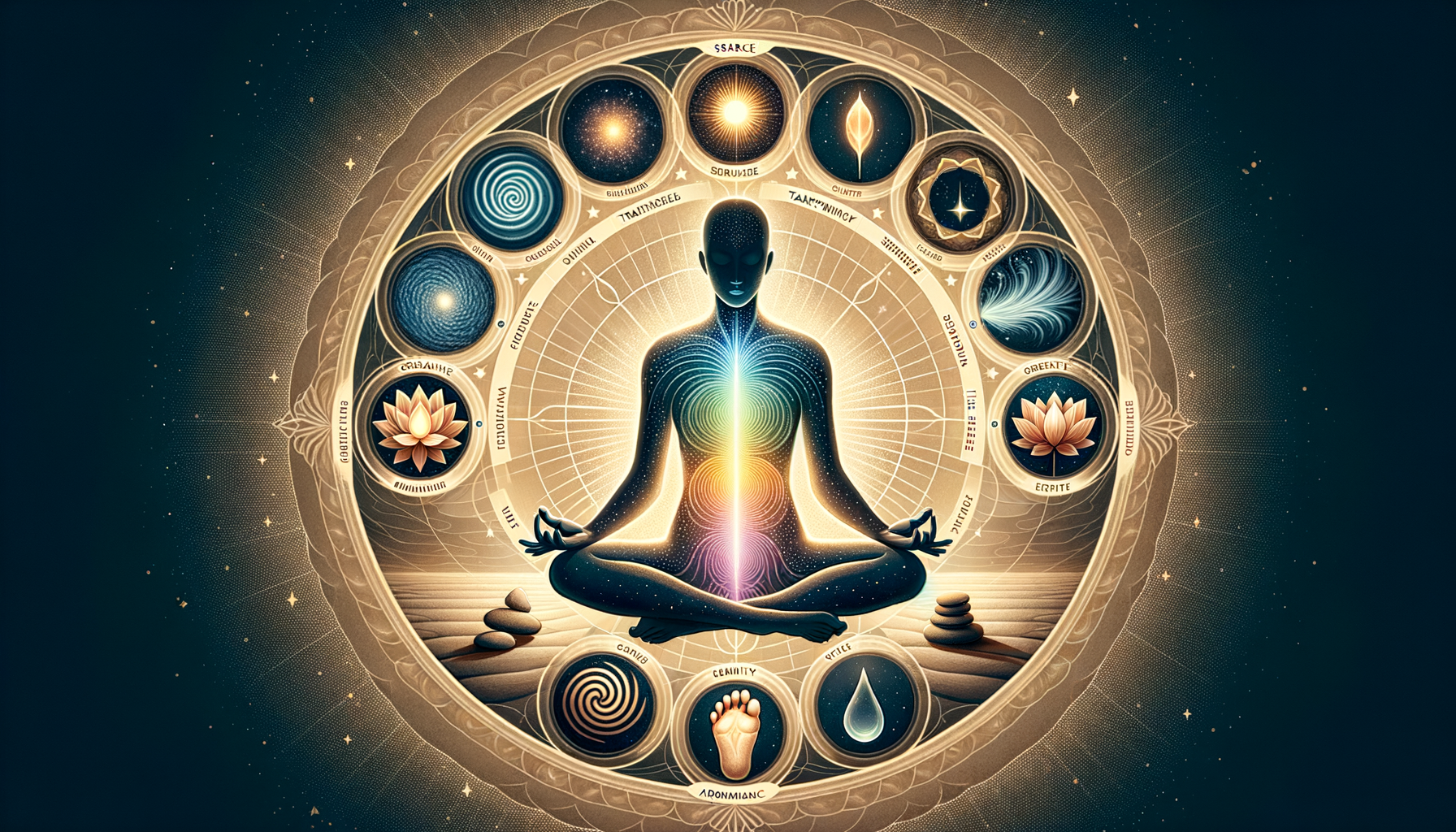
Hindu philosophy, rooted in the Vedas and Upanishads, presents a coherent map of human experience through the indriyas and their relation to the tanmatras and the pancha mahabhutas. Within the classical count of eleven indriyas, the five karmendriyasvak (speech), pani (hands), pada (feet), upastha (organs of procreation), and payu (organs of evacuation)occupy a distinct role as the vehicles of action. Understanding how these organs of action interface with the subtle elements (tanmatras) and the five elements (pancha mahabhutas) enriches both philosophical clarity and daily practice across dharmic traditions.
In the Samkhya–Vedanta framework, evolution proceeds from sukshma to sthula, or “gross to subtle” in reverse contemplation: from tanmatras (shabda, sparsha, rupa, rasa, gandha) to the pancha mahabhutas (akasha, vayu, agni, ap, prithvi). The jnanendriyas (organs of knowledge) are closely correlated with the tanmatras, while the karmendriyas are energized by rajas and supported by prana to express action in the world. Although specific one-to-one correspondences vary by text and tradition, the shared logic remains consistent: action arises as subtle qualities precipitate into tangible functions.
Several commonly taught correspondences illuminate this logic. Vak (speech) aligns with shabda and akasha, as sound is the defining quality of space; disciplined speech thus refines the field through which meaning resonates. Pani (hands) is frequently linked to agni for its transformative, skillful capacity to shape and offer, while also engaging vayu through motion. Pada (feet) relates to vayu and prithvi, balancing mobility with grounding. Upastha is associated with ap and rasa, reflecting generative fluidity and continuity of life. Payu is often connected to prithvi, emphasizing stability, structure, and orderly elimination. Variations in mapping appear across texts, yet the pedagogical aim is uniform: to guide practitioners from conceptual understanding to embodied wisdom.
This philosophical architecture gains practical traction in yoga and ethical discipline. Pratyahara harmonizes the indriyas, turning attention inward so action becomes precise rather than impulsive. Karma Yoga purifies intention, converting everyday deeds into pathways of clarity. Mindful vak cultivates truthfulness and beneficence; steady, skillful pani expresses seva; well-rooted pada fosters balance in asana and life; moderation of upastha honors brahmacharya and relational integrity; and care for payu aligns with saucha and wellbeing. Such integrative practice refines the subtle body (yogic anatomy) and steadies the mind, allowing sattva to prevail over distraction.
This synthesis fosters unity across dharmic traditions. Buddhism emphasizes the purification of body, speech, and mind, echoing the disciplined guidance of the karmendriyas. Jain ethics cultivate samitis and guptismeticulous regulation of movement, speech, and intentionparallel to refined action organs. Sikh teachings uphold seva and the sanctity of shabad, aligning the power of hands and speech with ethical action and inner devotion. These convergences affirm a shared civilizational insight: when action is aligned with subtle principles, conduct becomes compassionate, lucid, and socially harmonious.
Clarifying the relationship between karmendriyas, tanmatras, and the five elements offers more than conceptual elegance; it provides a reliable method for translating metaphysics into lived discipline. By recognizing how subtle qualities shape action, practitioners cultivate restraint, purpose, and resilience. In this way, the classical map serves contemporary seekers: it supports inner balance, ethical clarity, and a deep respect for the plurality of practices that flourish within Hinduism, Buddhism, Jainism, and Sikhism.
Inspired by this post on Hindu Blog.










