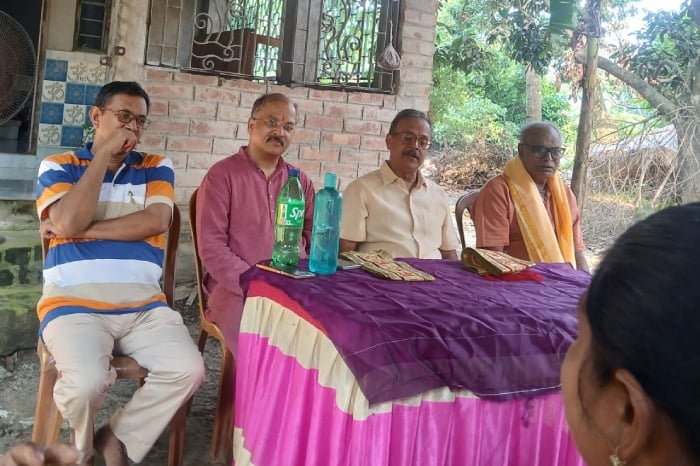
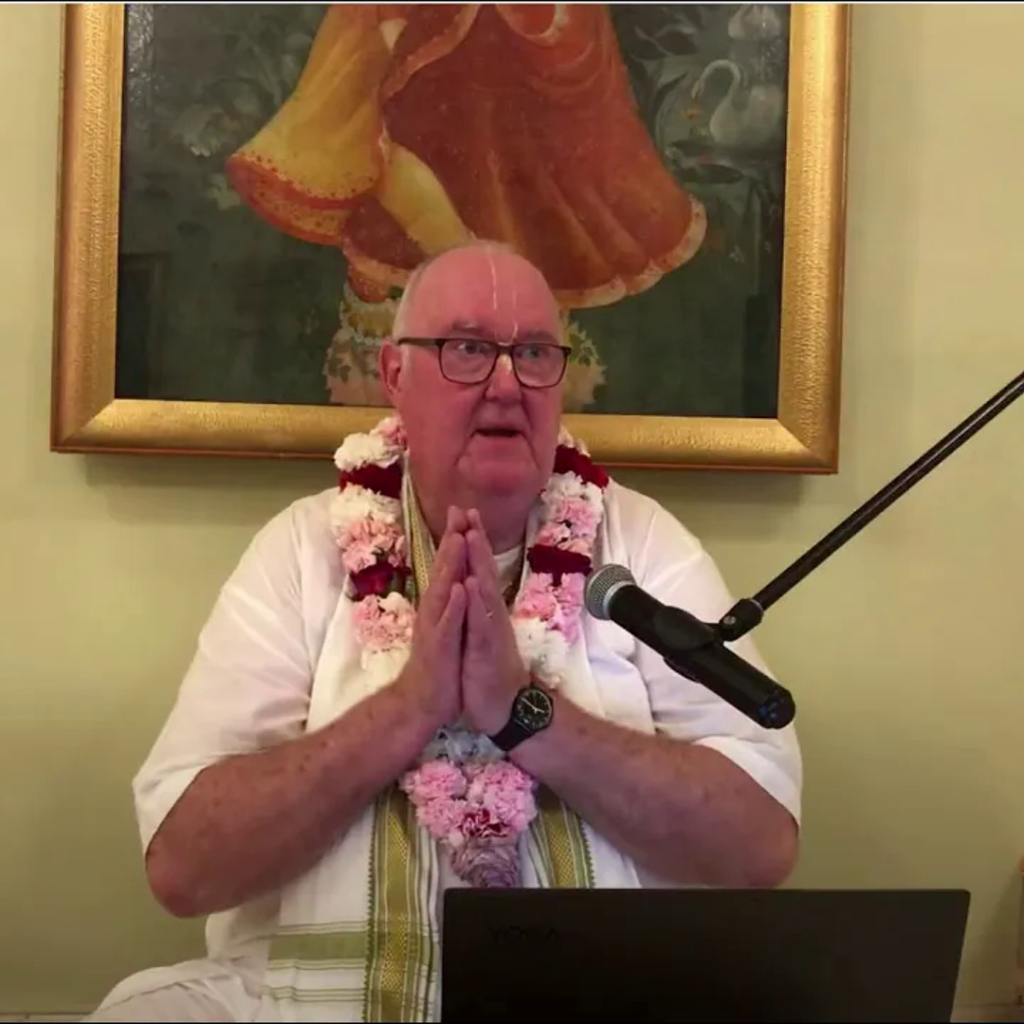
During a Satsang, a disciple posed a timeless question to Sri Sri Ravishankar (Founder of Art of Living): “Is there consciousness within me?” Sri Sri responded with a direct pointer to lived experience: one is asking, one is hearing, one is seeing. If there were no consciousness, how would a question arise at all, or how would anything be heard or perceived? The answer gently redirects attention from abstract speculation to immediate awareness.
This exchange exemplifies an experiential approach central to Hindu philosophy and to the broader Dharmic traditions. Rather than relying solely on conceptual proofs, it highlights the simple fact of knowing: the unwavering presence that enables every perception, thought, and emotion. In academic terms, this is an appeal to first-person phenomenology accessible to all: the recognition that consciousness is self-revealing.
Many find this insight relatable in everyday life. In a quiet momentwalking between meetings, listening to a friend, or noticing the breathone realizes that awareness is already present before any effort, technique, or conclusion. This recognition supports mindfulness and self-awareness, helping one respond to life with greater clarity and emotional balance.
Across the Dharmic traditions of Hinduism, Buddhism, Jainism, and Sikhism, this recognition takes harmonious forms. Advaita speaks of the witnessing awareness; Buddhism cultivates sati (mindful presence); Jain practice emphasizes Samayik (equanimous awareness); Sikh tradition nurtures simran (remembrance) that steadies attention in the present. Though expressed differently, each path converges on inner awareness as the foundation of spiritual insight and compassionate living.
Practical reflection can be simple: pause and notice, “Who is aware of this breath, this sound, this thought?” Such a question does not demand an immediate answer; rather, it opens a space of calm observation. In this space, breath and consciousness are felt as supportive anchorsgrounding attention and illuminating a steadier way of being.
In this light, the disciple’s question becomes a doorway to direct understanding. “Is there consciousness within me?” shifts to “Consciousness is the condition for every question, every perception, every insight.” Recognizing this is not an escape from the world but a way to meet daily life with equanimity, discernment, and unityqualities celebrated across Dharmic spirituality.
Inspired by this post on Hindu Pad.