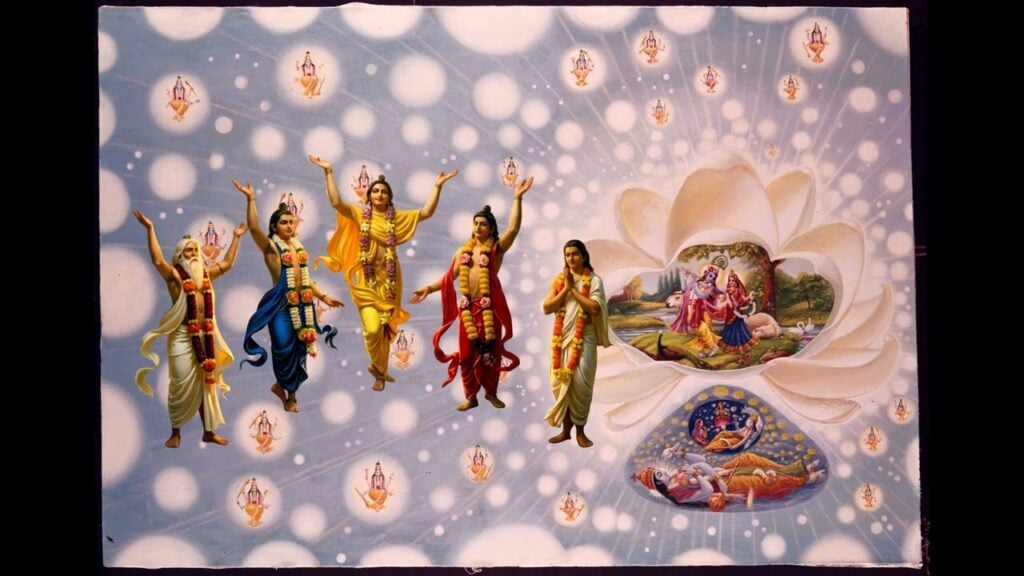
Imagine a grand stage where a compelling drama unfolds: the protagonist strives, learns, loves, and, in the final act, bows and exits. In the dharmic worldview, this scene offers a precise metaphor for deathan interlude rather than an obliterationechoing the Hindu insight that the ātman continues beyond a single role. Rather than provoking despair, the curtain call invites understanding, continuity, and a deeper appreciation of life’s many acts.
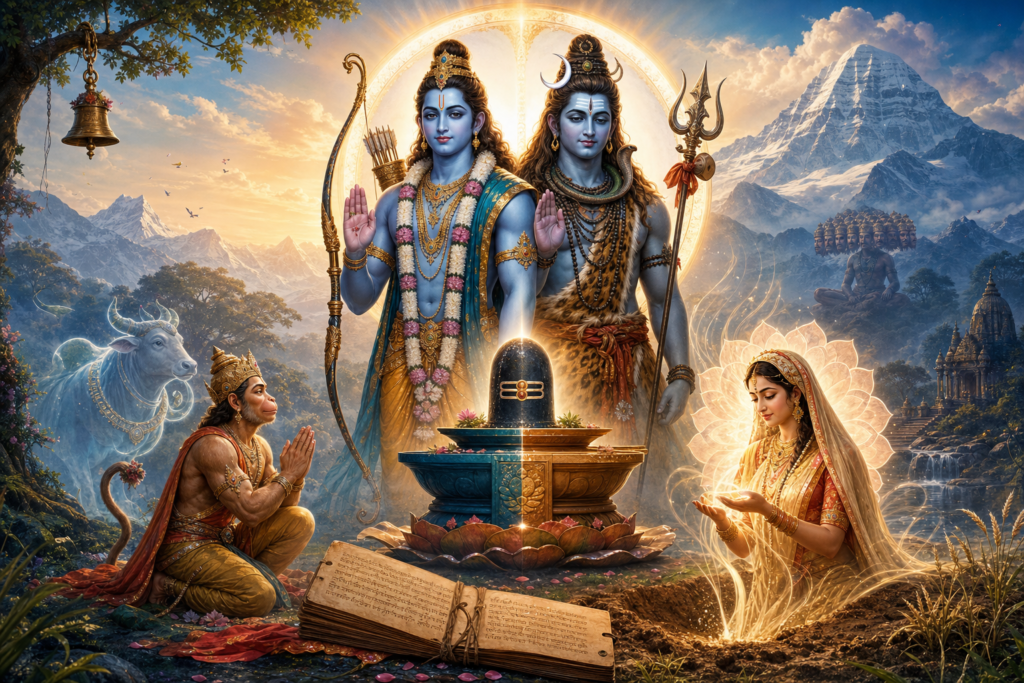
Hinduism articulates death as a transition within samsara, guided by karma and oriented toward moksha. Foundational texts such as the Bhagavad Gita and the upanishad teach that the embodied self discards one form and assumes another, much like changing garments (Bhagavad Gita 2.22). This philosophical frame reframes anxiety: fear softens when death is understood as transformation rather than termination.
Fear of death often intensifies when identity is confined to the body-mind complex. Dharmic thought expands identity to include the witnessing consciousness and the subtle continuity of samskara. When dharma becomes a lived compassaligning intention, action, and reflectionuncertainty yields to trust, and uncertainty about the final chapter is balanced by the assurance of an unbroken spiritual journey.
This perspective resonates across the dharmic family. Buddhism highlights anicca (impermanence) and mindful awareness, cultivating equanimity in the face of change. Jainism emphasizes ahimsa and accountability through karma, encouraging a life that naturally prepares the mind for serene transition. Sikh wisdom centers hukamliving in alignment with a larger orderalongside qualities of nirbhau and nirvair, fostering fearlessness and compassion. Together, these traditions affirm unity in diversity while offering complementary pathways to meet mortality with clarity and grace.
Practical disciplines translate these insights into daily stability. Meditation and mindfulness steady attention; japa refines inner focus; pranayama balances vital energy; and svadhyayastudy of the Bhagavad Gita and upanishaddeepens understanding. Seva and ethical living integrate realization with action, strengthening resilience and turning philosophy into embodied wisdom.
Hindu samskaras surrounding death, including the antyesti rites, situate personal loss within a sacred continuum. Rituals, remembrance, and community support provide structure for grief and reinforce the insight that life and death form a continuous arc. Parallel practices across Buddhist, Jain, and Sikh communitiesmindful presence, vows of compassion, and collective prayeraffirm shared values and a common ethic of care.
Ethical orientation is central. Living by dharmaanchored in ahimsa, satya, and responsibilityreduces remorse and cultivates inner composure. Qualities such as shraddha and vairagya nurture an attitude that meets endings without panic and welcomes each beginning without clinging. In this way, spiritual maturity becomes the most reliable preparation for life’s final transition.
In contemporary contexts marked by uncertainty, the dharmic synthesis offers a plural, inclusive framework. Hinduism’s philosophical depth, in harmony with Buddhist insight, Jain discipline, and Sikh devotion, supports a humane culture of remembrance, meaning-making, and peace. This unity does not erase difference; rather, it honors multiple paths while affirming a shared commitment to wisdom and compassion.
Returning to the stage metaphor, the end of an act does not exhaust the actor’s potential. The audience recognizes continuity and applauds with gratitude. Similarly, the dharmic view encourages living fully, loving wisely, and meeting death with understandingconfident that the journey continues, and that the purpose of each act is refinement, service, and awakening.
Inspired by this post on Hindu Blog.