Across communities and cultures, striking similarities that bind human beings are often eclipsed by a persistent tendency to elevate differences. This emphasis on distinction can harden into a perceived superiority, turning diversity into a weapon rather than a wellspring of empathy. A sober reading of dharmic wisdom, however, reveals a deeper oneness beneath pluralityan insight that reframes diversity as an expression of an underlying unity rather than a cause for division.
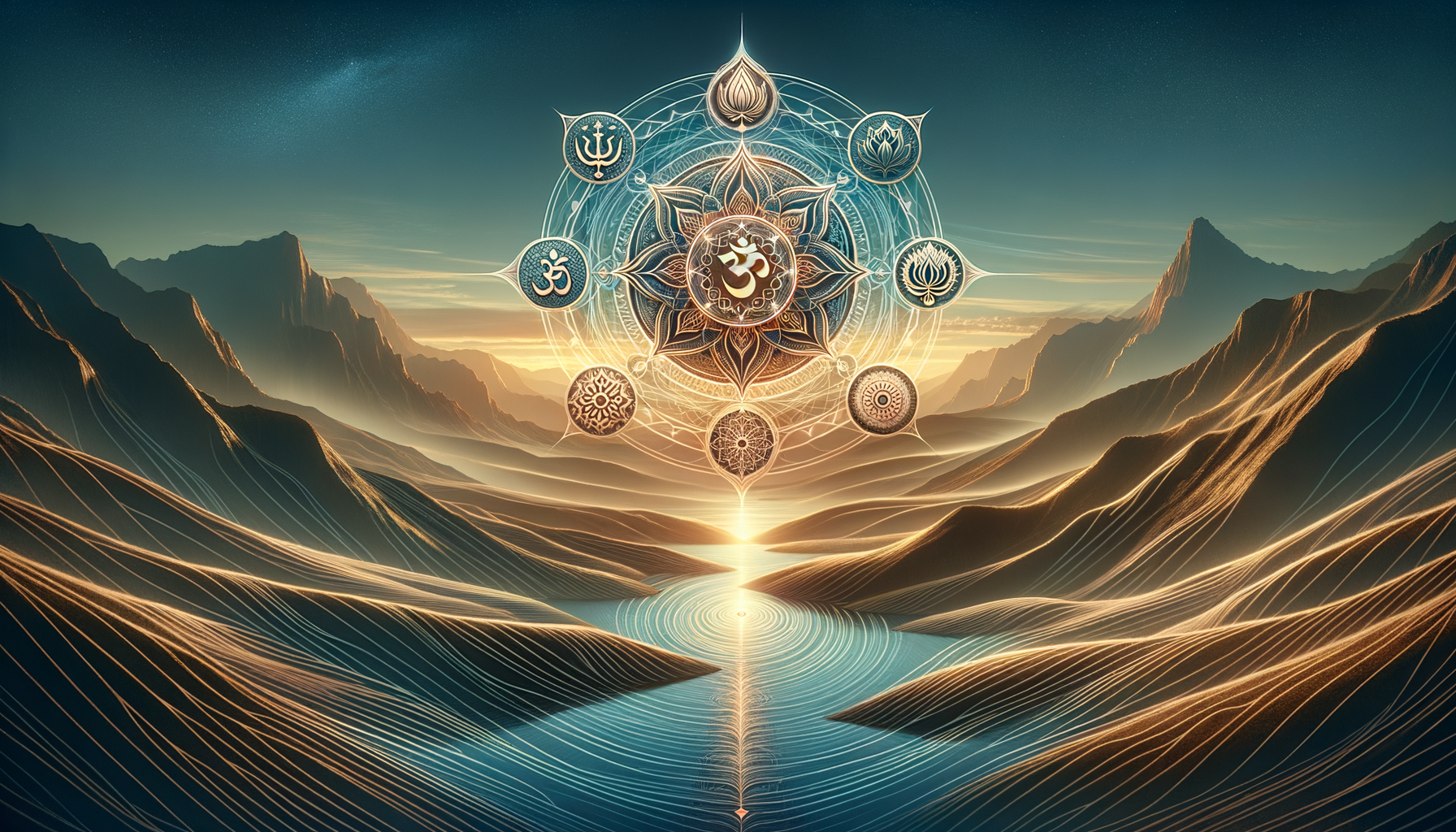
Dharmic traditions articulate this unity in complementary ways. The Upanishadic mahavakya “Tat Tvam Asi” points to a non-dual ground of being; the Bhagavad-Gita encourages seeing the same Self in all beings; Buddhism’s pratītya-samutpāda highlights radical interdependence; Jainism’s Anekāntavāda teaches the many-sidedness of truth; and Sikh teachings encapsulate oneness with “Ik Onkar.” Together, these perspectives shape an ethical vision where humility, compassion, and interfaith harmony become natural outcomes of understanding reality’s shared foundation.
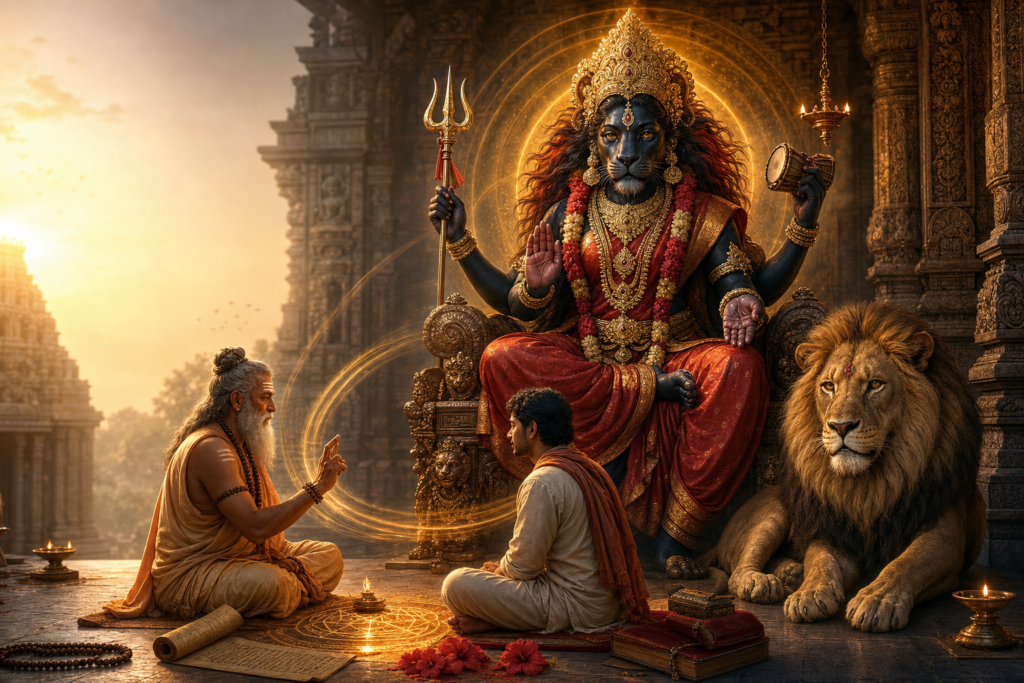
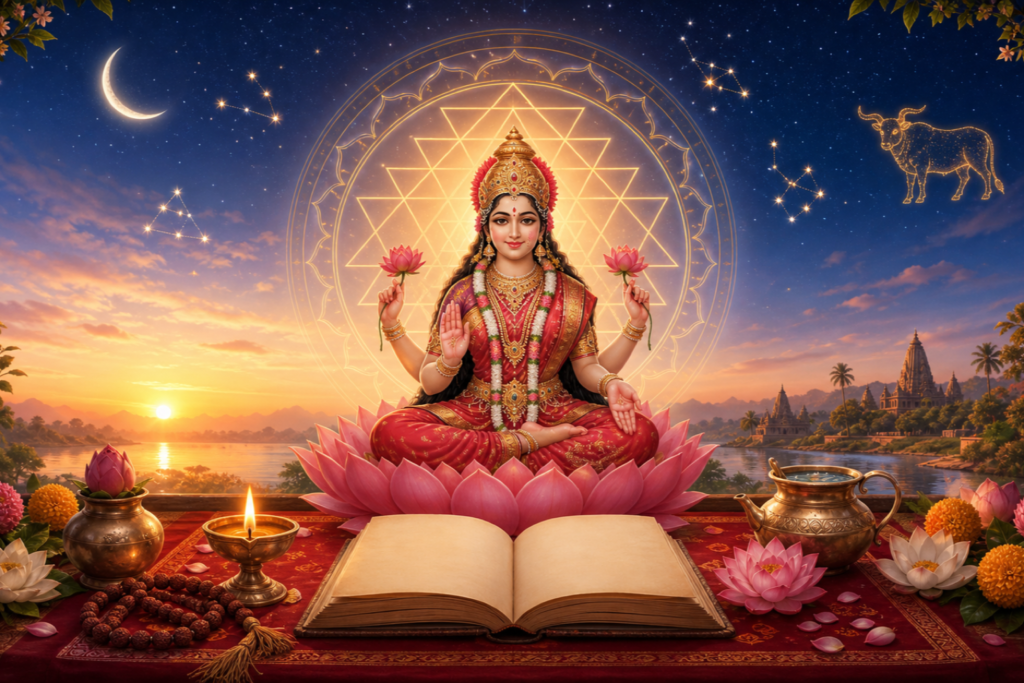
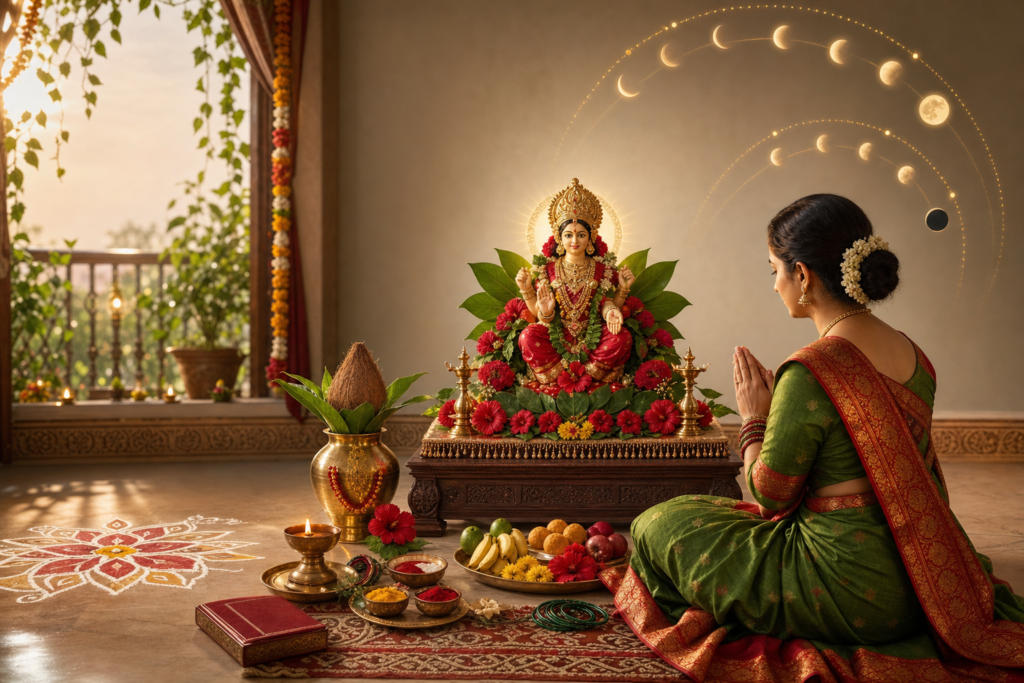
Hindu philosophy offers a practical grammar for unity through the principle of Ishta. By acknowledging that individuals approach the Divine according to temperament and context, Ishta honors personal devotion while affirming the legitimacy of diverse paths. This plural commitmentmirrored across Buddhism, Jainism, and Sikhism in different formsnurtures religious pluralism in India and models a sustainable approach to spiritual diversity.
Social psychology and anthropology note that human minds instinctively categorize, often privileging group identity over shared humanity. Dharmic sādhanā provides correctives: meditation, svādhyāya, and ethical disciplines soften ego-boundaries, revealing how quickly fear-based narratives lose force when viewed against the backdrop of interconnection. In this way, Unity in Diversity is not merely a slogan but a lived practice grounded in perception, conduct, and community life.
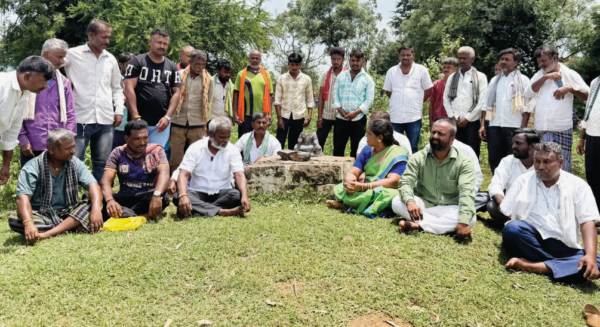
Practical applications follow naturally. One can pause before “othering” and ask what common values are already present. Community service (seva), shared meals (langar), and dialogue circles grounded in Anekāntavāda cultivate empathy without erasing conviction. When disagreement arises, a many-sided view of truth enables principled conversation rather than escalation, strengthening social cohesion while preserving doctrinal integrity.
This outlook resists any impulsereligious, ideological, or culturalto impose a singular path. Instead, it advances a dharmic ethic of responsibility: respect for difference, accountability to the common good, and commitment to non-violence in thought and action. The result is a culture where Hinduism, Buddhism, Jainism, and Sikhism stand together as allied streams, enriching one another and the wider public sphere.
Seen through this lens, the illusion of separation begins to loosen its grip. Diversity is not a threat to unity; it is the texture by which unity becomes visible in the world. By recovering the shared insights of dharmic traditions and enacting them in daily life, societies can transform comparison into curiosity, competition into collaboration, and difference into a path toward deeper oneness.
Inspired by this post on Hindu Blog.