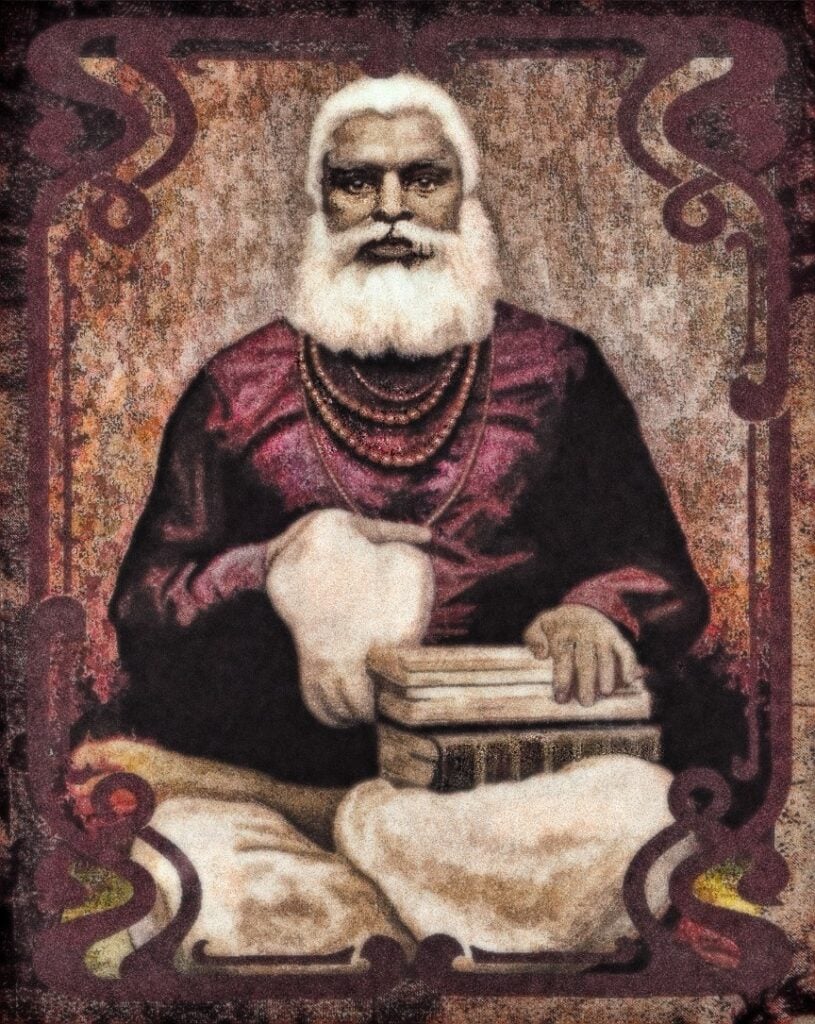
Kamalakanta Bhattacharya is remembered as one of Bengal’s most compelling devotional voices, celebrated for songs that turn the intimate cry of the heart into living theology. Born in 1769 CE in Bardhaman during a transformative moment in Indian spiritual history, he carried forward a Shakta-Bhakti current that made the Divine Mother, Kali, immediately present to householders and seekers alike. His life and work converge where philosophy becomes song and song becomes practicea hallmark of Bengal’s Bhakti Tradition.
Accounts place him in the late eighteenth to early nineteenth century, a period when Bengali devotional literature flourished alongside evolving social and cultural rhythms. Within this milieu, Kamalakanta Bhattacharya’s compositionsoften grouped within the broader stream of Shyama Sangeetstand out for candid address to the Divine Mother. They capture Bengal’s devotional sensibility: unguarded, affectionate, sometimes playful, yet grounded in profound spiritual insight. His reputation rests not only on literary skill but on lived devotion, where everyday life becomes a canvas for transcendence.
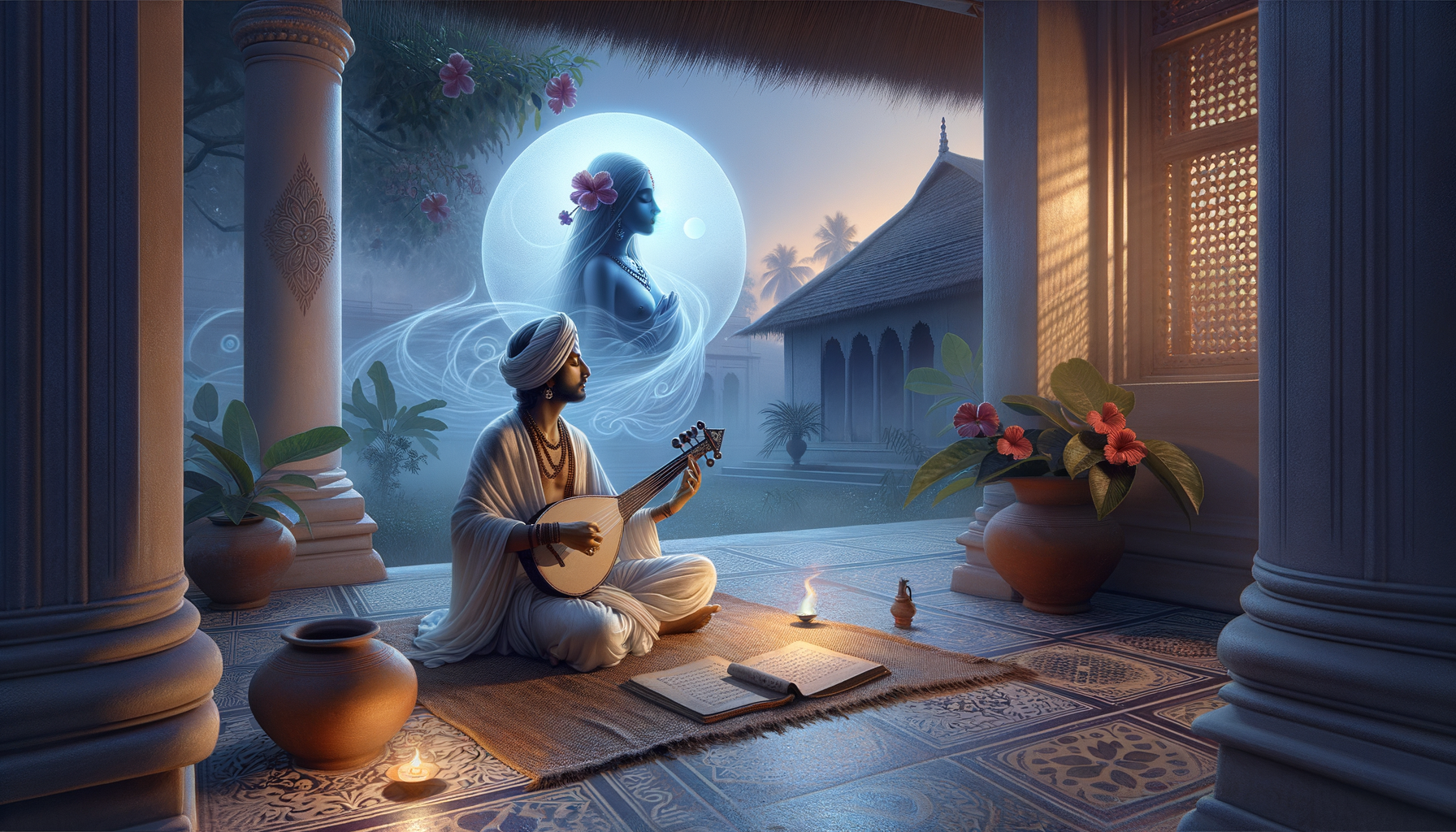
Stylistically, his poetry fuses accessible imagery with theological depth. The Divine Mother appears as both cosmic force and compassionate refuge, a presence that listens to human frailty without judgment. Listeners sense an almost conversational nearness to Kali: an alternating current of surrender and protest, longing and trust, that invites readers into their own direct relationship with the sacred. This combination of emotional honesty and spiritual rigor made his work memorable in homes, temples, and kirtan circles across Bengal.
Hagiographic traditions surrounding Kamalakanta Bhattacharya speak of miracles linked to Kali’s graceepisodes of protection, timely relief in hardship, and inner healing that restored courage and clarity. Read in a historical light, such narratives function as spiritual pedagogy rather than spectacle. They illustrate a recurring Bhakti lesson: when the heart turns fully to the Divine, obstacles lose their tyranny. Devotees across dharmic paths recognize this thread as the transformative power of faith, whether framed as sharanagati (surrender), karuna (compassion), or inner refuge.
His poetry is frequently summarized by recurring motifs rather than single lines: the child calling the Mother; the wanderer seeking a hand in the dark; the errant soul confessing with humility and humor. The aesthetic effect is devotional intimacybhavathrough which listeners feel accompanied in joy and struggle. In this way, song becomes sadhana, and art becomes a steadying practice in ethical living, self-examination, and remembrance of the Divine.
The teachings distilled from his legacy are clear. First, devotion is a path of courageous honesty: one admits weakness and returns, again and again, to compassion. Second, remembrance through nama-japa, song, and mindful living anchors spiritual progress amid ordinary duties. Third, humility and serviceseeing every being as imbued with divinitytranslate inner realization into social responsibility. Finally, he exemplifies acceptance of diverse spiritual journeys, affirming the Hindu way of life that honors Ishta and plurality. This harmonizes with the shared ethical heart of Hinduism, Buddhism, Jainism, and Sikhism: compassion, self-discipline, non-harm, and inner transformation.
Beyond literary merit, his influence endures in practice. Shyama-oriented kirtans and household observances continue to draw on themes he helped carry forward: that the Divine Mother is near, that grace is real, and that song can heal. For contemporary readers and listeners across the dharmic traditions, Kamalakanta Bhattacharya’s devotional world offers more than aesthetic pleasure; it offers a contemplative methodanchoring the mind, softening the heart, and restoring balance between inward seeking and outward action.
Viewed through both historical inquiry and lived spirituality, Kamalakanta Bhattacharya’s legacy strengthens a unifying insight: plural paths, one search. In honoring the Divine Mother, his work invites seekers to recognize the same luminous core across traditions, making space for unity without erasing difference. That invitationto practice devotion with integrity and to respect the many ways truth is approachedremains his most enduring teaching.
Inspired by this post on Hindu Blog.