Each year, the approach to Deepavali reignites an intense debate in India: are fireworks an unacceptable source of pollution or a legitimate, regulated expression of celebration integral to cultural life? The conversation routinely swings between extremes, often relying on attention-grabbing rhetoric rather than proportionate, data-driven analysis. A more balanced approach can protect both public health and the continuity of Dharmic traditionsincluding those of Hinduism, Buddhism, Jainism, and Sikhismwhile advancing practical environmental stewardship.
This analysis examines how media narratives have framed Deepavali and other Dharmic festivals, synthesizes the available environmental and regulatory evidence, and proposes a constructive institutional framework to reduce polarization. The underlying aim is civilizational confidence grounded in facts and compassion: honoring Sanatana cultural inheritance while mitigating genuine risks through proportionate, science-based policy.
Public messaging around Deepavali frequently deploys crisis language“poison,” “public health emergency,” even “gas chamber”to characterize a two-night period of pyrotechnics. While health risks from short-lived spikes in air pollutants are real and must be addressed, such hyperbole can erode trust, alienate communities, and impede compliance. Responsible communication should contextualize risk, offer clear alternatives, and avoid stigmatizing any tradition or community.
Understanding the science helps place the issue in perspective. Winter meteorology in the Indo-Gangetic Plain features low mixing heights and temperature inversions that trap pollutants close to the ground. During this season, particulate matter (PM2.5 and PM10), nitrogen dioxide (NO2), sulfur dioxide (SO2), ozone (O3), and secondary aerosols from multiple sources accumulate. Fireworks add short-duration pyro-aerosols, including metal salts responsible for colors, which can transiently elevate PM levels.
Central Pollution Control Board (CPCB) and SAFAR datasets across major cities typically show Deepavali-night PM2.5 peaks several times above seasonal baselines, persisting for 8–24 hours depending on wind and humidity. City-to-city and year-to-year variability is high, but the pattern is robust: fireworks amplify an already polluted atmospheric background in late October–November.
Source apportionment studies (including those led by IIT-Delhi and other research groups) consistently find that, across the whole season, dominant contributors include vehicular emissions, construction dust, industrial/coal combustion, residential fuels, and agricultural residue burning. Fireworks are a concentrated, time-bound source that can contribute a meaningful share to the spike on festival nights while representing a smaller share of total seasonal PM in megacities. The precise fractions vary by locality and meteorology, reinforcing the need for calibrated, not blanket, policy responses.
Health considerations remain central. Short-term surges in PM2.5 and associated metals can aggravate asthma and COPD, elevate emergency room visits, and pose risks to vulnerable populations (children, the elderly, and those with cardiopulmonary disease). Noise exposure above recommended thresholds can harm hearing and heighten stress responses in humans and animals. These realities justify targeted mitigationtiming, technology, and quality controlwithout resorting to cultural denigration.
India’s legal framework has evolved accordingly. The Supreme Court’s 2018 orders and subsequent clarifications have permitted only “green crackers” with reduced emissions, mandated limited time windows for firing (e.g., specified evening hours on Deepavali), and prohibited barium-containing formulations. The National Green Tribunal and state authorities have issued complementary directives based on local air quality forecasts. These measures pursue a middle path: protect health, preserve celebration, and improve compliance through certification and enforcement.
On the technology front, CSIR-NEERI’s “green crackers” (e.g., SWAS, STAR, SAFAL) target 30–35% reductions in particulate emissions and lower noise relative to conventional fireworks. QR-coded packaging is intended to deter counterfeits and enable enforcement. Persistent challenges include supply-chain integrity, artisan transitions, clear consumer labeling, and marketplace vigilance against non-compliant imports or mislabeled products.
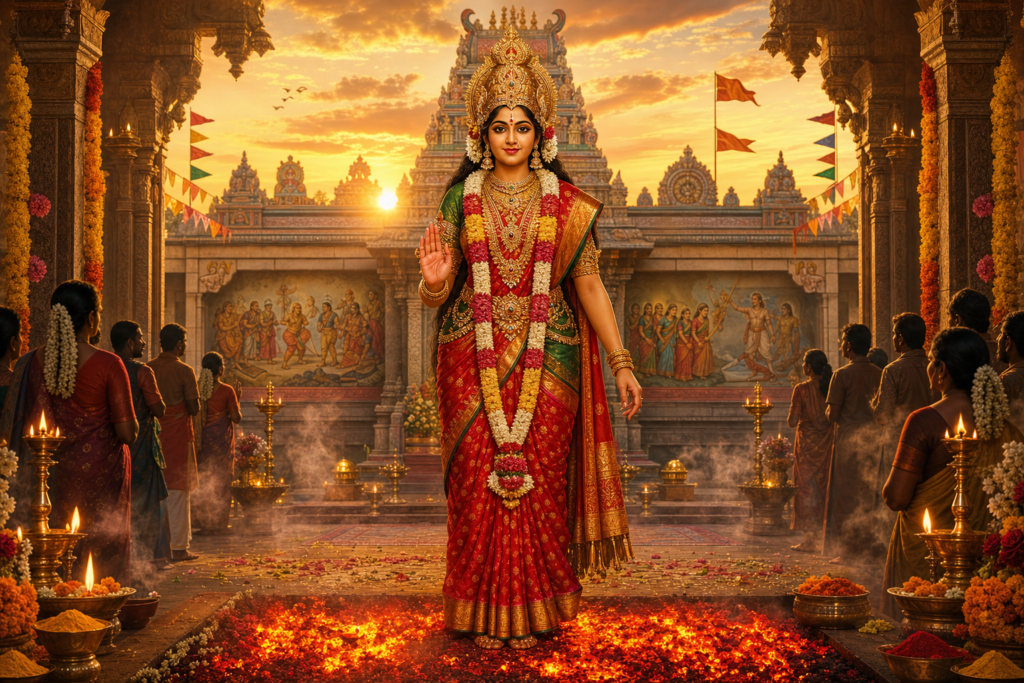
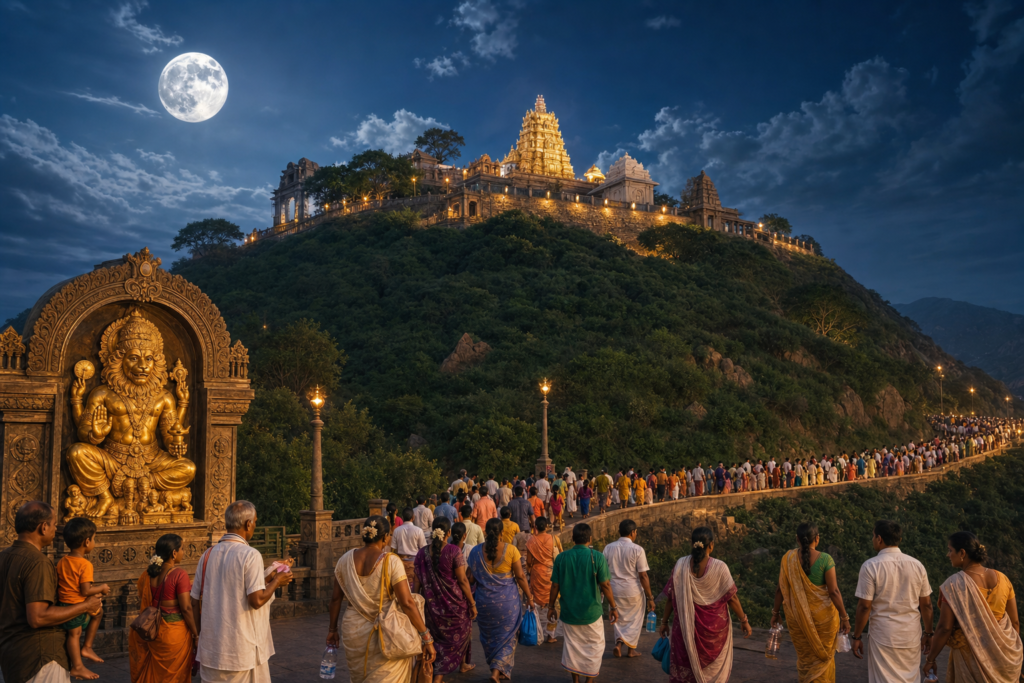
Cultural context matters. Fireworks symbolize shared joy for many families, yet Deepavali’s essence resides equally in diyas, puja, dana, and fellowship. A durable policy consensus must respect intangible cultural heritage while pursuing cleaner practice. In parallel, attention to artisan livelihoods (e.g., in Sivakasi and similar clusters), occupational safety, and verifiable compliance are critical to a just transition.
Proportionality is the bridge between legitimacy and compliance. When conversations single out Deepavali while downplaying larger seasonal sources (agricultural residue burning, vehicles, industry, and dust), they risk alienating communities and fueling Hinduphobia. A fair approach addresses all major contributors with rigor, ensuring that festival-related mitigations are one component of a comprehensive clean-air strategy.
Media narratives play an outsized role in shaping public perception. Coverage that combines data with empathy and cultural literacy can improve outcomes; coverage that relies on shaming or sensational metaphors can harden positions and reduce cooperation. The goal should be accurate risk communication that helps citizens make better choices within the law.
Public figures and citizens alike share responsibilities when communicating in high-traffic settings. Recording while driving or modeling unsafe conduct undermines the very claim to public-interest advocacy. Good-faith discourse should uphold road safety, legal compliance, and respect for differing viewpoints.
A historical lens illuminates why these debates feel existential. Colonial-era education and post-colonial curricula often normalized Eurocentric frames that labeled indigenous markersdress, jewelry, ritualsas “backward.” The result for many was cultural self-doubt. Rectifying this does not require blame; it requires confidence-building education that treats Dharmic symbols and practices as legitimate, living knowledge systems aligned with plural, modern life.
Markers such as bangles, bindis, and the Mangalasutra are best understood as personal, familial, and regional expressions rather than as litmus tests. Across South Asia, parallel ornaments and customs cross community lines, reflecting shared civilizational patterns. Affirming this continuitywithout presuming anyone’s lineageencourages dignity and dialogue rather than division.
The broader pattern extends beyond Deepavali. Festivals and practicesGanesha Chaturthi immersions, Holi colors, Jallikattu, Kambala, Sabarimala yatras, among othershave each encountered campaigns or litigation that sometimes favor bans over balanced mitigation. Durable solutions emerge from science-based standards, transparent enforcement, and cultural partnership with community stewards and temple trusts.
A unifying Dharmic approach recognizes common valuesAhimsa, Seva, Dana, and reverence for natureacross Hindu, Buddhist, Jain, and Sikh traditions. These principles readily support sustainable celebration: cleaner materials, time limits, community-led shows, waste minimization, and post-event restoration. Unity transforms compliance from compulsion into shared care for the commons.
A practical festival framework can be articulated in plain, actionable terms. Before the festival, municipalities can enhance road washing and mechanical sweeping to suppress dust, publish hour-by-hour air-quality forecasts, and pre-position health advisories for vulnerable groups. During the festival, communities can opt for certified green crackers, honor permitted time windows, and prefer low-smoke items in dense neighborhoods. Afterward, rapid cleanup, waste segregation, and packaging recovery reduce lingering exposures and protect drains and waterways.
Technological complementsincluding drone or laser-light shows and carefully engineered low-noise pyromusicalscan add spectacle while managing emissions and decibels. These are expressions of creativity, not cultural replacements. They work best as additions that allow families to choose how to balance tradition, local norms, and environmental goals.
At the household level, straightforward steps matter: schedule celebrations within legal windows, maintain distance from sensitive receptors (hospitals, elderly care homes), protect hearing for children, and consider temporary indoor air-quality measures for those with respiratory conditions. Responsible choices protect neighbors without diminishing joy.
Structural sources must be addressed in parallel. Agricultural residue burning significantly elevates regional PM during the same season. Scaling in-situ and ex-situ solutions (e.g., Happy Seeder, baling and bioenergy routes, and decomposers) through targeted incentives and enforceable timelines will reduce the background load against which festival emissions occur, improving outcomes for everyone.
Urban transport and construction management offer additional leverage. Temporary curbs on dust-intensive activity, traffic decongestion, and enhanced public transit during festival weekends can offset peaks. Such system-level measures demonstrate fairness and shared responsibility, strengthening social consent for festival-specific rules.
Measurement and transparency help communities learn. Open, neighborhood-level air and noise monitoringproperly calibrated and quality-controlledbuild trust, enable targeted mitigation, and counter both exaggeration and denial. When citizens see their own data, they tend to cooperate more readily.
To reduce polarization and build knowledge, a new public-interest institution is warranted: a National Institute for Media and Ideological Studies (NIMIS) focused on Dharmic traditions. Rather than pathologizing political differences, NIMIS would examine narrative polarization empirically and recommend constructive responses that protect civilizational heritage and constitutional rights.
NIMIS can maintain an archive of media coverage on festivals, develop transparent codebooks for content and sentiment analysis, and publish an annual “State of Dharmic Traditions and Media” report. This approach enables evidence-based dialogue about framing effects, bias, and best practices in risk communication without demonizing any ideological group.
Methodologically, NIMIS can combine computational social science (natural language processing and network analysis), surveys, ethnography, and policy analysis. Partnerships with IITs, NITs, CSIR-NEERI, CPCB, and public-health institutes would ensure rigor. Open datasets and reproducible pipelines would anchor trust across stakeholders.
Education and outreach should be core. Media-literacy curricula for schools and communities, journalist workshops on culturally sensitive risk communication, and practical toolkits for temple trusts and local committees can convert abstract principles into action. Legal literacysummarizing Supreme Court and NGT rulings in accessible languagewill further improve compliance.
Ethical guardrails are essential. Compassionate language, the refusal of ad hominem attacks, and a commitment to non-violence in speech align this work with Dharmic values. Humor and satire can be used judiciously to defuse tension, but always with respect for persons and traditions.
Because the health of public debate affects all, NIMIS should convene cross-tradition councils representing Hindu, Buddhist, Jain, and Sikh institutions to co-create sustainability guidelines for festivals. Shared authorship builds legitimacy; shared implementation builds results.
A pragmatic 12–18 month roadmap can seed impact: stand up a multidisciplinary research team; pilot media-content models across three metros; co-design green-festival playbooks with municipal bodies; publish a baseline national report; and host an open repository of verified regulatory information. Clear metricssuch as improvements in certified green-cracker adoption, adherence to time windows, and reductions in negative, stigmatizing sentimentcan track progress.
None of this requires choosing between culture and clean air. Sanatana thought has long harmonized celebration with restraint, abundance with responsibility. When policy is proportional and discourse is dignified, communities respond with cooperation, not resistance. That is where enduring change lives.
By anchoring debate in data, law, and empathy, India can protect Deepavali and other Dharmic festivals from reductive narratives while safeguarding health. The task is to replace polarization with partnership, panic with proportion, and accusation with actionable solutions. The opportunity is heretimely, necessary, and entirely achievable.
Inspired by this post on Dharma Dispatch.