London’s Diwali celebrationslong cherished by Hindu, Jain, Buddhist, and Sikh communitieshave drawn renewed attention after Hindus for Human Rights UK urged Mayor Sadiq Khan to reconsider official collaboration with the Vishwa Hindu Parishad UK (VHP‑UK). The discussion highlights broader questions about how civic partnerships are formed, how cultural representation is managed, and how public events can remain inclusive while honoring dharmic traditions.
Reported concerns center on whether associations involved in London Diwali reflect the city’s values of transparency, inclusivity, and community cohesion. Hindus for Human Rights UK has called for clearer criteria when partnering with civil society organizations, suggesting independent due diligence and public accountability as guardrails for major cultural events. These recommendations align with best practices for civic festivals globally, where public trust is built on openness and shared standards.
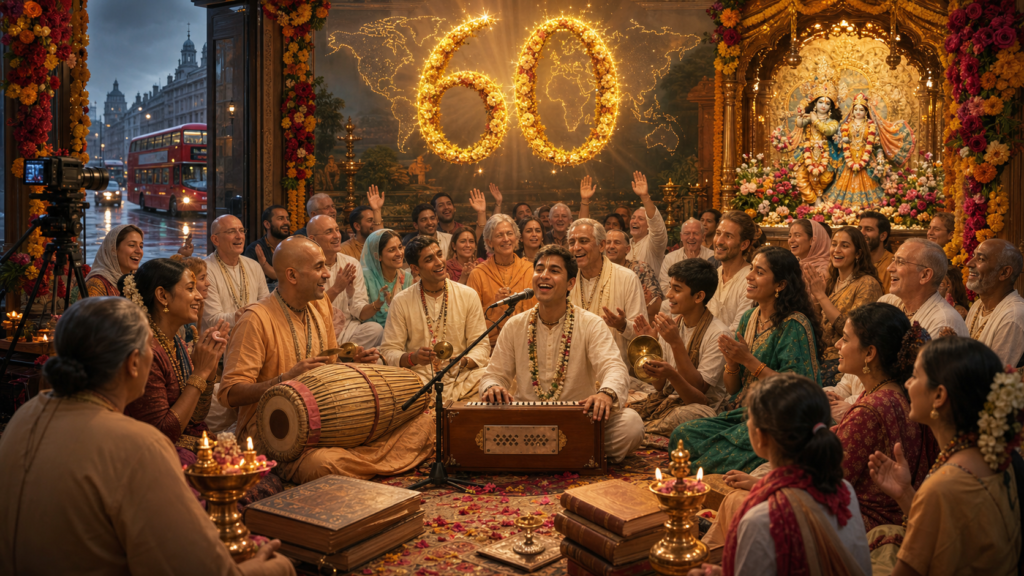
Community stakeholders also point out that VHP‑UK has participated in cultural programming, service initiatives, and volunteer support for festivals that bring families together across traditions. For many Londoners, Diwali serves as a bridgeHindus celebrate the triumph of light, Jains commemorate Mahavira’s Nirvana Kalyanak, Sikhs observe Bandi Chhor Divas, and Buddhists in some communities join to honor compassion and wisdomshowcasing unity in diversity across dharmic paths.
At the heart of the debate is a practical governance challenge: how to ensure London Diwali remains a welcoming, apolitical space that reflects the plural character of the city while maintaining rigorous partnership standards. A balanced approach rests on clear vetting processes, transparent criteria for participation, and community-led oversight that includes Hindu, Jain, Buddhist, and Sikh representation. Such safeguards strengthen legitimacy without diminishing the cultural authenticity that makes Diwali meaningful.
Experience from multicultural festivals worldwide suggests that inclusive design improves outcomes. When organizers publish selection criteria, disclose affiliations, and adopt non-discrimination codes of conduct, public confidence grows. When all dharmic traditions have a visible voice in programming and outreach, the event’s educational value expandshelping newcomers understand Diwali’s layered significance and encouraging respectful interfaith dialogue.
A constructive path forward for London Diwali can include: a joint advisory council with representatives from Hindu, Jain, Buddhist, and Sikh communities; independent vetting of partner organizations; clear community guidelines on non-partisanship; and participatory feedback mechanisms to monitor inclusivity. These measures are practical, replicable, and aligned with London’s commitment to celebrate cultural heritage while safeguarding social harmony.
Seen through this lens, the current controversy can become an opportunity. By combining fact-based review with compassionate dialogue, London can model how cities steward major cultural events amid complex civic expectations. Centering Diwali’s messagelight over discord, ethical conduct over divisionoffers a proven route to stronger community bonds and enduring unity across dharmic traditions.
Inspired by this post on Struggle for Hindu Existence.