Indian historiography has long been filtered through colonial frameworks and post-colonial elite narratives, often associated with Nehruvian interpretations. A more balanced, evidence-led account is required—one that acknowledges civilizational memory, sacred geography, and the shared heritage of Hinduism, Buddhism, Jainism, and Sikhism within Bharatavarsha.
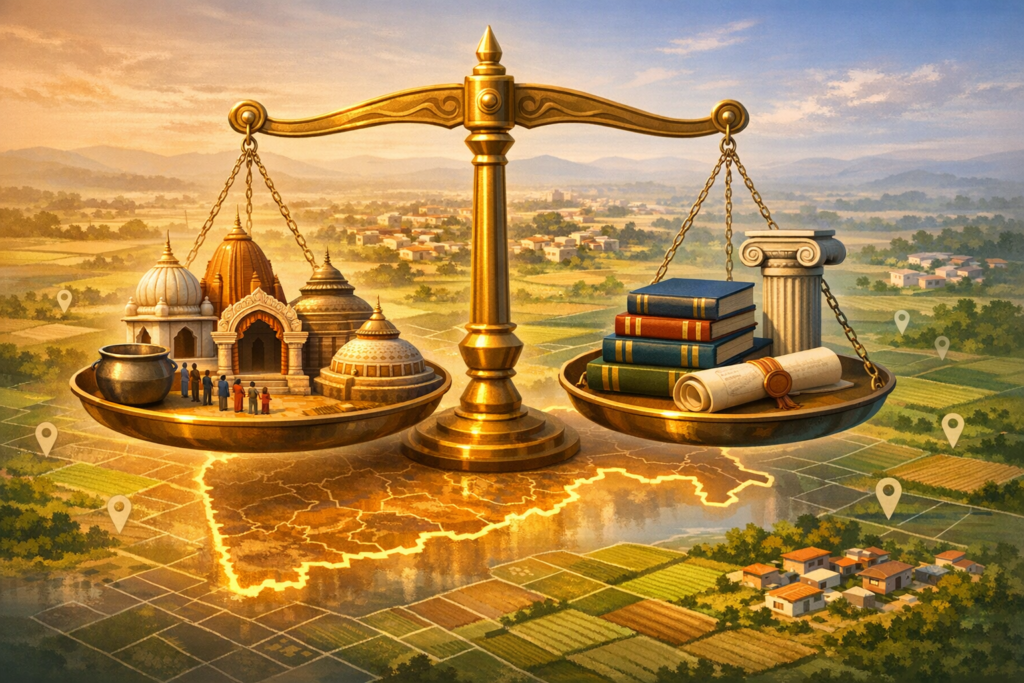
A recurring concern is the gap between popular memory and curricular history. While schoolbooks have frequently privileged external viewpoints, community memory has preserved a coherent understanding of India’s past, especially with respect to temple-centered culture, pilgrimage networks, and the ethics of Dharma.
Within popular Hindu memory, medieval polities under the Delhi Sultanate and segments of the Mughal Empire were not generally regarded as indigenous formations. Even where rulers such as Akbar adopted conciliatory policies, familial or harem affiliations were not seen as sufficient grounds for indigenization. Coercive or transactional relationships involving Hindu women were remembered critically as moral and social injuries, not as markers of cultural synthesis.
Mahmud of Ghazni remains emblematic, in public remembrance, of temple destruction and iconoclasm—Somnath being the most cited case. This recollection is anchored in Persian chronicles, epigraphy, and archaeological traces. Such remembrance addresses historical regimes and policies rather than contemporary communities, and it should be handled with scholarly precision and ethical clarity.
Elite aesthetics often celebrate tombs, cupolas, and decorative arts, yet the broader community’s gaze has remained on sacred geography and places where temple materials were repurposed for mosque construction. Local traditions speak of desecrated murtis and altered sites, including claims regarding steps of Jama Masjids; whether confirmed or contested, these memories form part of a living archive that calls for careful documentation, heritage conservation, and respectful dialogue.
These debates intersect with larger interpretive questions. One long-standing narrative depicts India as a land repeatedly conquered, the Aryans as migrants, and the Hindus as habitually disunited or lacking valor—implying that foreign powers were the principal authors of Indian history. Such sweeping generalizations require critical scrutiny through primary sources and regional case studies.
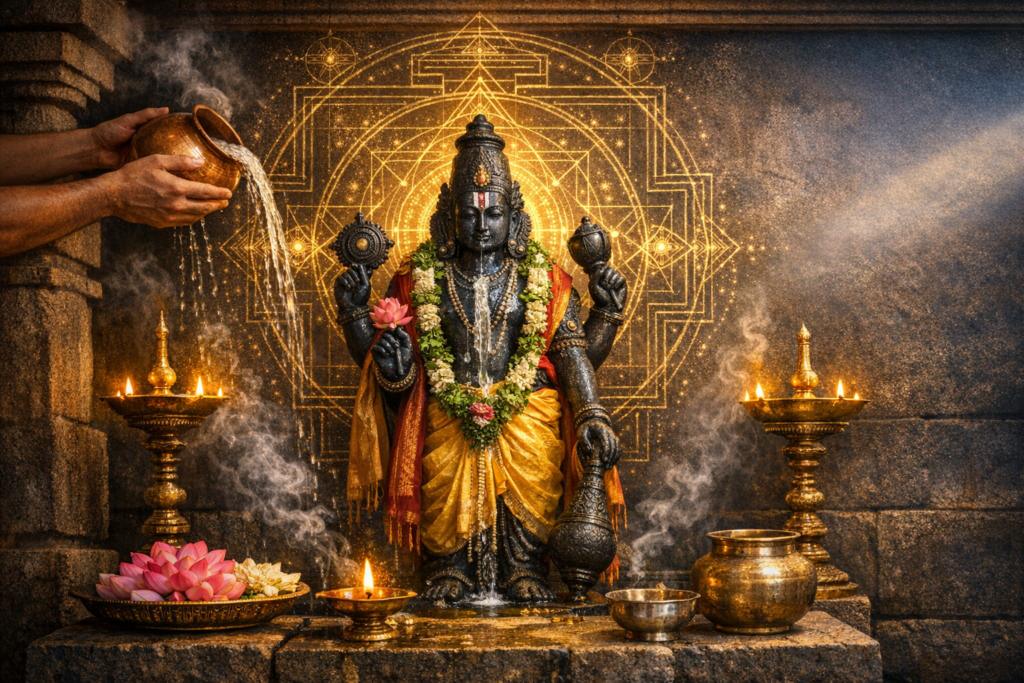
Evidence across centuries indicates that the Hindu community functioned as a sustaining civilizational force within Bharatavarsha, sacralizing mountains, rivers, forests, and kshetras. For Hindus, the land has been both Dharma-ksetra and Kurukshetra. Crucially, this reverence for the land is shared across dharmic traditions: Buddhist vihāras and sites such as Nalanda and Ajanta, Jain tirthas spread across regions, and Sikh gurdwaras that honor sacrifice and seva all testify to a continuous sacred map.
The Aryan Migration -vs- Out of India debate remains unresolved in scholarship, spanning philology, archaeology, and archaeogenetics. An academically honest stance welcomes competing hypotheses, demands rigorous standards of evidence, and resists ideological closure. The objective is a historiography that remains open to revision as new data emerge.
Contrary to the trope of perpetual disunity, periods of organized resistance are well documented: Rajput polities against incursions, the Vijayanagara Empire’s cultural-defense statecraft, the Maratha resurgence, and the Sikh Khalsa’s assertion of sovereignty. These episodes, among others, reflect recurring currents of self-organization, dharmic duty, and regional cooperation that cut across sect and community boundaries.
While internal rivalries existed, a pan-Bharatavarsha consciousness persisted through shared epics, pilgrimage circuits, temple networks, festivals, and scholarly exchange. Modern articulations of Hindu nationalism should be interpreted within this continuum yet articulated inclusively—affirming dharmic unity among Hinduism, Buddhism, Jainism, and Sikhism, and distinguishing critique of historical regimes from judgments about modern communities.
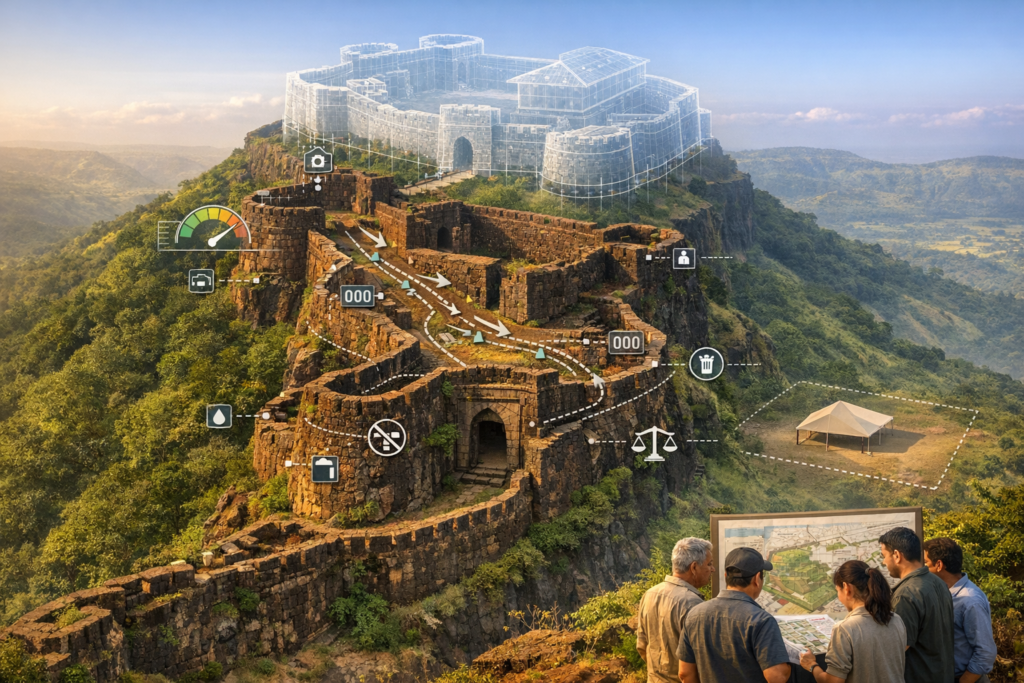
A constructive method for rewriting Indian history would: prioritize primary sources; distinguish between the policies of past rulers and the dignity of contemporary faiths; recover temple, vihāra, tirtha, and gurdwara histories; integrate regional languages and oral traditions; and foster heritage preservation without polemic. Such an approach advances accuracy and ethical responsibility together.
Reclaiming Indian historiography in this manner serves two goals: healing cultural memory and strengthening solidarity among dharmic traditions. By honoring documented trauma, celebrating resilience, and foregrounding shared sacred geography, India’s historical narrative can move toward unity, mutual respect, and renewed cultural self-understanding.
Inspired by this post on Dharma Dispatch.