Kartarpur Sahib stands as a living testament to an inclusive spiritual experiment that reshaped social life in Punjab. This account explores ਕਰਤਾਰਪੁਰ ਦੀ ਸਥਾਪਨਾ through a clear, research-informed narrative rendered in an accessible, animation-ready form, allowing diverse audiences to connect with Sikh history and its enduring ethics.
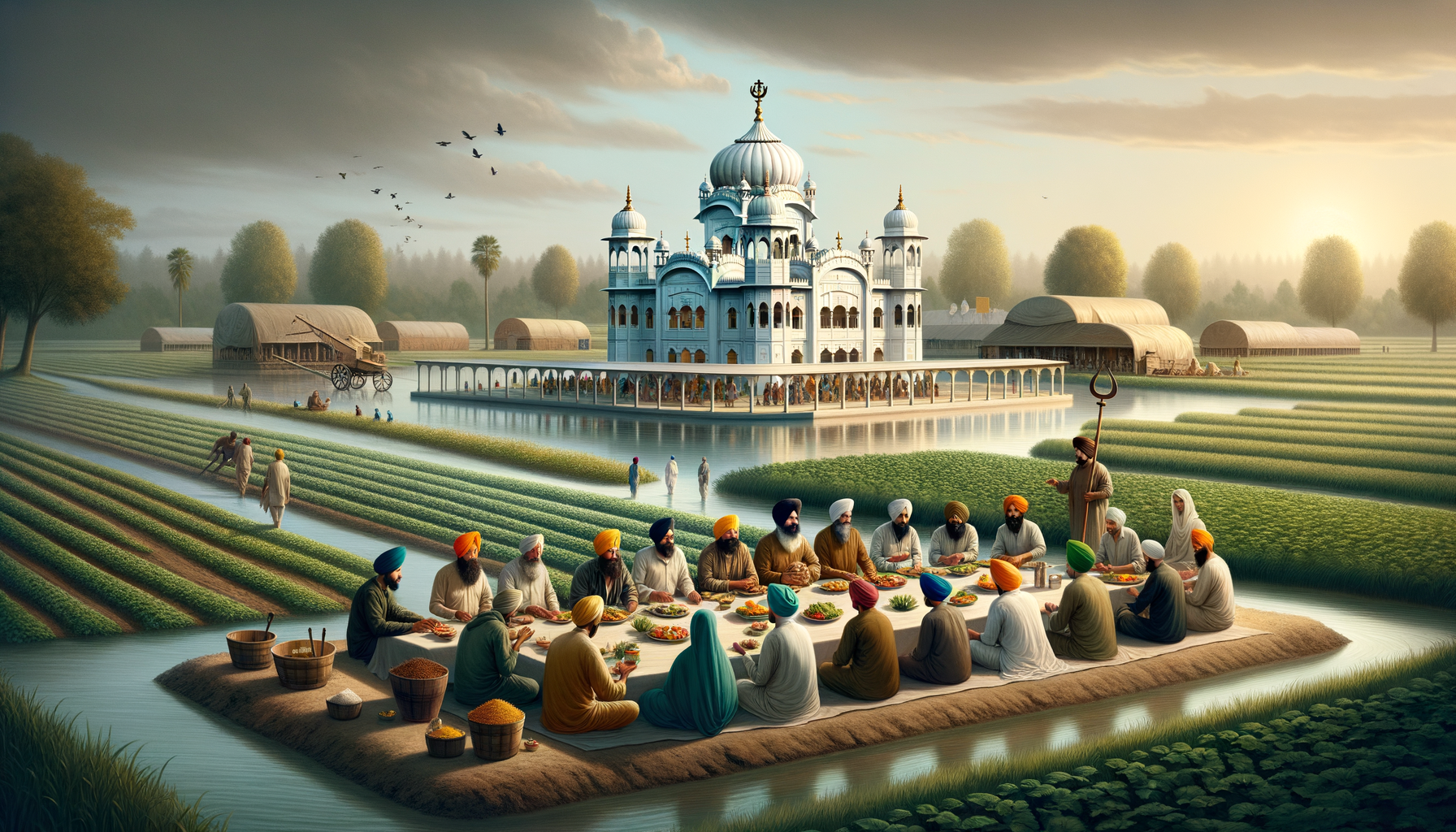
Founded around 1519 on the banks of the Ravi River in present-day Narowal District, Kartarpur emerged after Guru Nanak Dev’s extensive journeys. Historical traditions consistently portray Kartarpur as a self-sustaining community where devotion, ethical labor, and shared meals were interwoven, offering a model of everyday spirituality grounded in equality and service.
A memorable strand in the origin tradition highlights a wealthy patron—often described as a “millionaire”—who, moved by Guru Nanak Dev’s message, offered resources that helped consolidate the settlement. The motif contrasts worldly accumulation with “sach daan,” the true wealth of truthful living, compassion, and community uplift. Rather than centering wealth, the narrative emphasizes the redirection of resources toward collective well-being.
Kartarpur’s daily life reflected principles that continue to define Sikh practice: honest work (kirat karo), sharing with others (vand chhako), and remembrance through kirtan. The institution of langar embodied egalitarian fellowship, inviting all—irrespective of caste, creed, or background—to partake as equals. Farming and community organization demonstrated how spiritual ideals could be embedded in practical, sustainable livelihoods.
Beyond its historical significance, Kartarpur’s ethos resonates across the broader dharmic family. Its stress on truth, service, and non-hoarding aligns with values honored in Hinduism, Buddhism, Jainism, and Sikhism—such as dana, karuna, ahimsa, and aparigraha. Read in this light, Kartarpur becomes a shared cultural heritage site, nurturing interfaith harmony and unity in diversity.
Translating the history of Kartarpur into animation enhances educational reach without diluting accuracy. Visual storytelling can clarify complex contexts, evoke empathy, and make core ideas accessible to younger audiences and lifelong learners alike. By inviting viewers into the rhythms of Kartarpur’s daily life, animation deepens understanding of Sikh history while fostering respect for related dharmic traditions.
Engaging with the origins of Kartarpur encourages reflection on how ethical principles take institutional form. The settlement’s inclusive practices, the redirection of wealth toward community uplift, and the continuity of seva and langar into the present together illustrate a proven pathway: spiritual vision translated into social structures that strengthen cohesion, dignity, and shared belonging.
Inspired by this post on SikhNet – Children Stories.