-
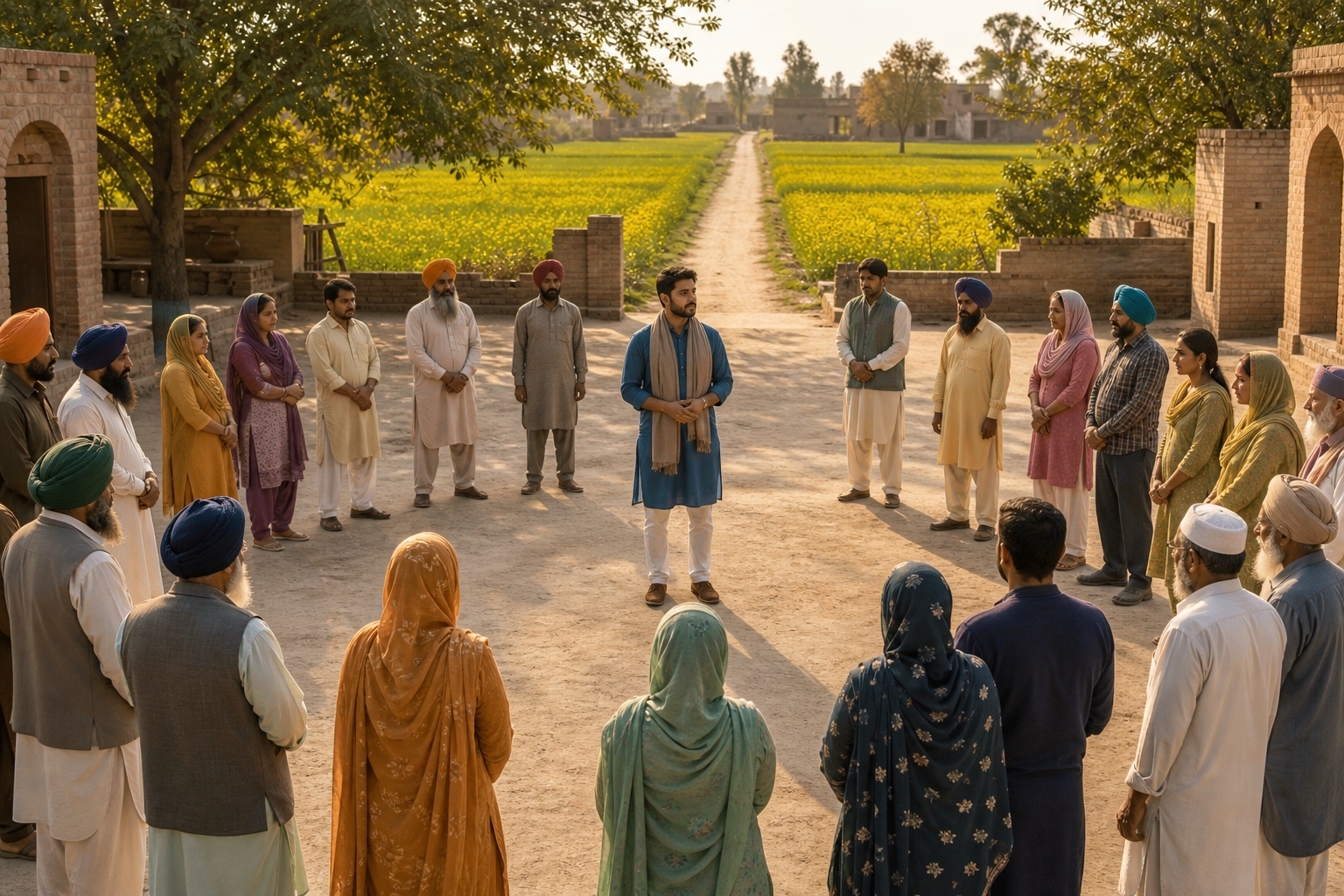
Turning the Tide on Punjab’s Youth Unemployment: Data-Driven Jobs Plan with Dharmic Unity

Punjab faces a stubborn youth unemployment challenge marked by skills mismatches, low female participation, and heavy reliance on agriculture with limited value-add. This analysis synthesizes insights from official labour surveys and employer feedback to propose a practical, data-driven jobs strategy. It prioritizes agricultural diversification and green transitions, manufacturing deepening in legacy clusters, and formal-service growth…
-
Trailblazing Women of Pakistani Punjab: Five Brilliant Academics Transforming South Asian Scholarship

Pakistani Punjab’s universities and research centers have nurtured a generation of women scholars whose work reshaped debates in history, education, languages, religion, and civil–military relations. This article profiles five eminent academics—Ayesha Jalal, Rubina Saigol, Arfa Sayeda Zehra, Riffat Hassan, and Ayesha Siddiqa—emphasizing their methodological rigor, curricular influence, and public engagement. Readers gain a panoramic view…
-
Baisakhi 2026 (April 14): Definitive Guide to Khalsa Day, Sikh New Year, and Mesha Sankranti

Baisakhi (Vaisakhi) 2026 falls on Tuesday, 14 April, uniting harvest gratitude in Punjab with the Khalsa legacy of 1699 and India’s wider Mesha Sankramana solar New Year. The day is widely observed as the Sikh New Year within Punjabi solar tradition and the fixed-date Nanakshahi calendar. This definitive guide explains the festival’s history, the Khalsa’s…
-
Baisakhi (Vaisakhi) 2026 on April 14: Sikh New Year, Harvest Joy, and Mesha Sankranti

Baisakhi (Vaisakhi) 2026 falls on April 14 in India, uniting Sikh New Year observances, Khalsa remembrance, and Punjab’s harvest celebrations with the pan-Indian solar milestone of Mesha Sankranti. The date aligns with 1 Vaisakh in the Solar Nanakshahi framework while also intersecting with regional new-year festivals like Puthandu, Vishu, Rongali Bihu, and Maha Vishuva Sankranti.…
-
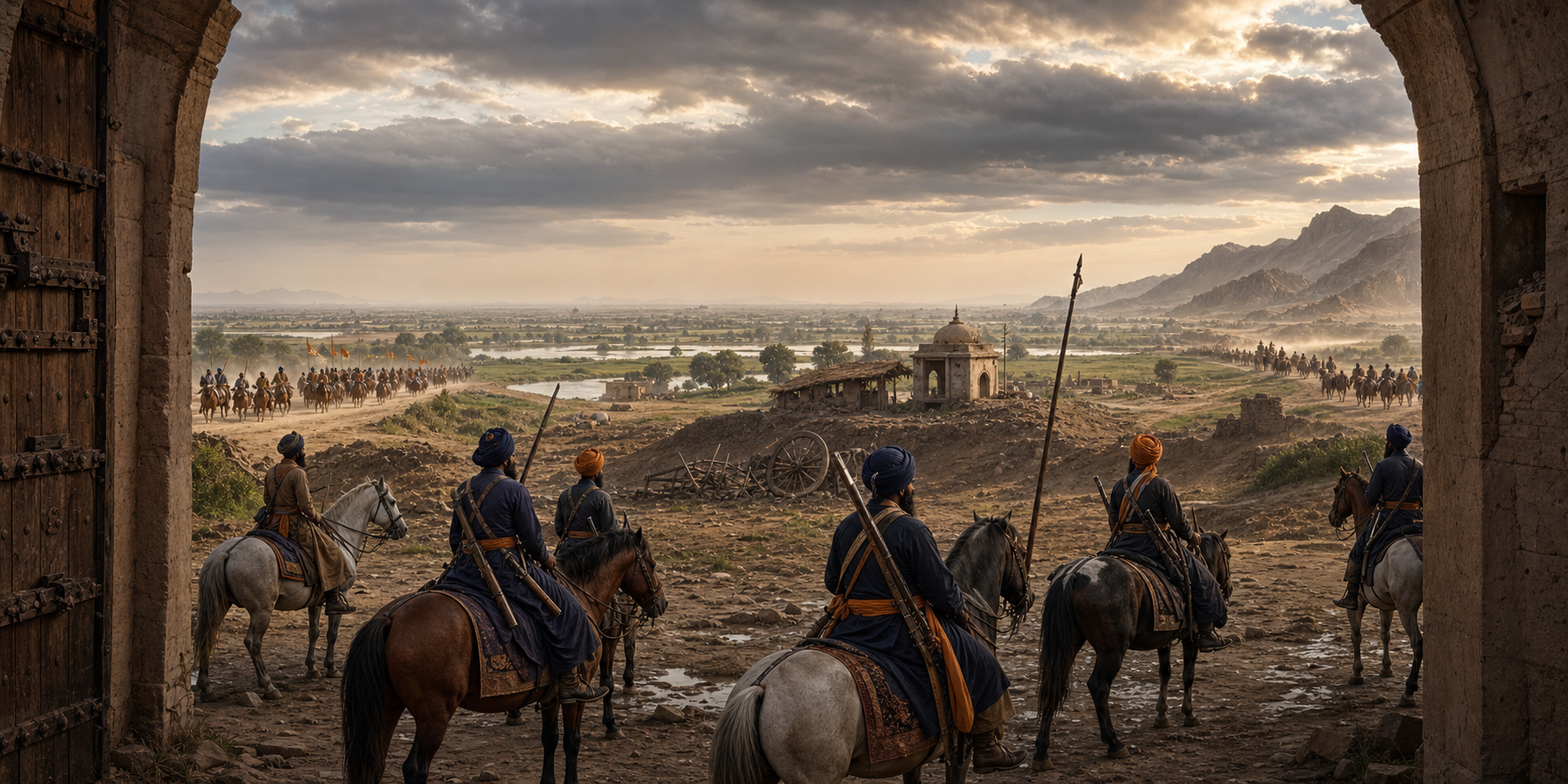
40 ਮੁਕਤੇ: From ਬੇਦਾਵਾ to Blessing—Muktsar’s Chali Mukte and Guru Gobind Singh’s Grace

This long-form study traces how the 40 ਮੁਕਤੇ journeyed from ਬੇਦਾਵਾ (disavowal) at Anandpur Sahib to ਬਖ਼ਸ਼ਿਸ਼ (grace) at Muktsar Sahib under Guru Gobind Singh’s compassionate leadership. It situates the Battle of Khidrana (Muktsar) within Sikh history, highlighting terrain, tactics, and morale alongside the moral recovery catalyzed by Mai Bhago. The analysis clarifies how Sikh…
-
World Punjabi Conference 2026, Ludhiana: A Landmark Book Release Uniting Dharmic Heritage

The World Punjabi Conference in Ludhiana (20–22 February 2026) anchors a landmark book release that advances Punjabi literature, script literacy, and cultural heritage while fostering unity among Hindu, Buddhist, Jain, and Sikh traditions. The analysis outlines how a conference-based launch delivers scholarly rigor, curriculum integration, and community engagement beyond a ceremonial unveiling. Technical guidance covers…
-
Baba Jaimal Singh: 19th‑Century Sikh Mystic Who Built the Beas Dera and Inspired Seekers

Baba Jaimal Singh stands out as a 19th-century Sikh mystic who advanced the Radha Soami tradition and founded a welcoming spiritual center at Beas in Punjab. His initiation at age 17 by Shiv Dayal Singh marked a disciplined, lifelong pursuit of inner realization. The Beas Dera encouraged seekers to practice meditation, ethical living, and devotion—values…
-
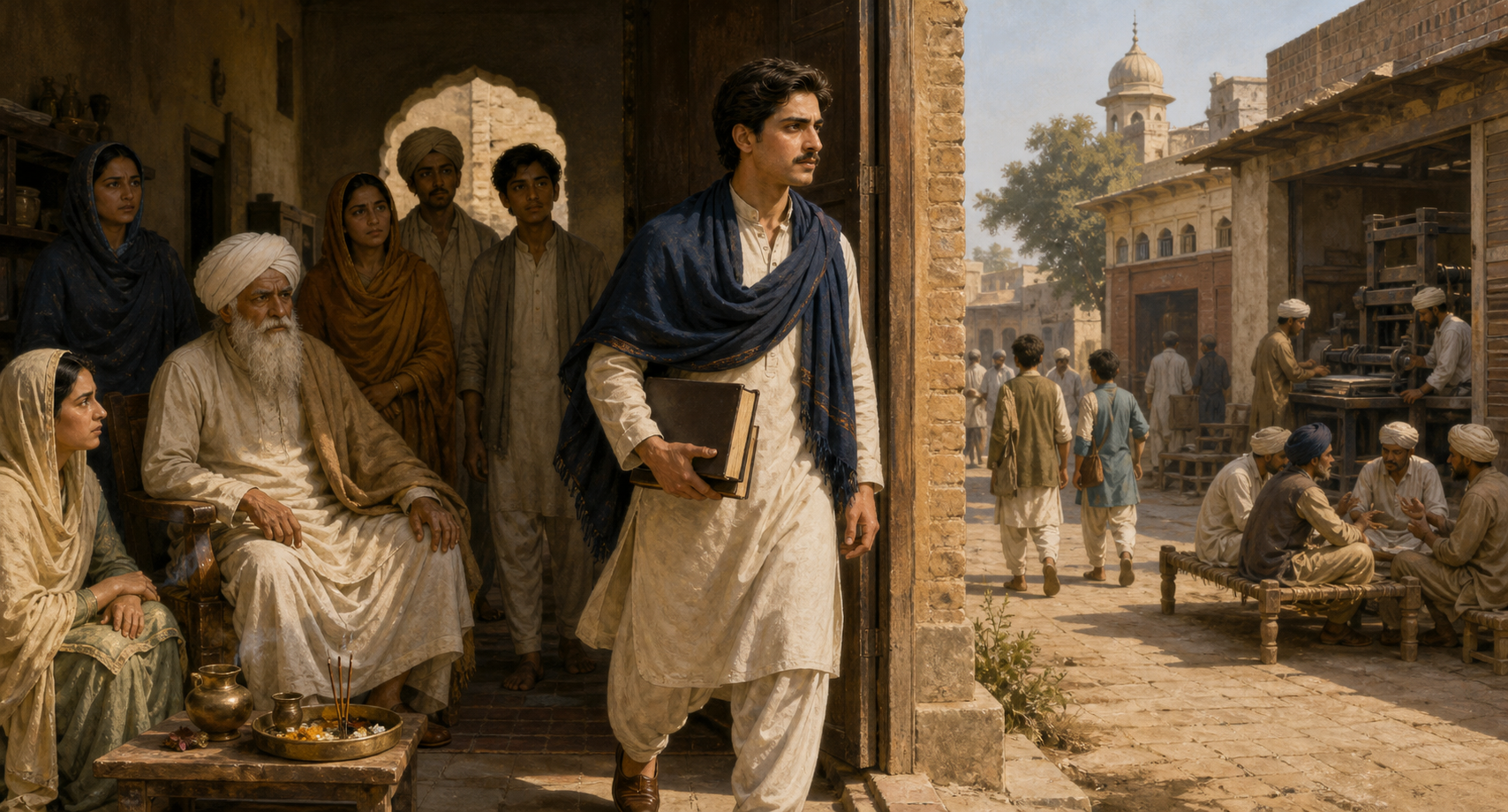
Bhai Vir Singh: The Sixth River of Punjab and a Bridge Uniting India’s Dharmic Traditions

Bhai Vir Singh stands as the “sixth river” of Punjab—a poet and thinker whose work renews Punjabi literature and deepens ethical life. His celebrated writings, including Rana Surat Singh, Sundari, and Satwant Kaur, weave devotion with courage and civic responsibility. Grounded in Sikh spirituality, his vision resonates with shared dharmic values across Hinduism, Buddhism, and…
-
Bridging Borders: A Transnational Voice in Punjabi Literature, Scholarship, and Creative Praxis

This piece explores how Punjabi literature has emerged as a transnational force, uniting scholarship and creative praxis across Punjab and the Indian diaspora. It highlights the plural, dharmic foundations of the tradition—from Bhakti to Sufi literature—and shows how these lineages nourish interfaith harmony without erasing difference. Readers gain actionable insights into translation strategies across Gurmukhi,…
-
Mian Muhammad Bakhsh (1830–1907): The Soul-Stirring Sufi Voice Behind Saif-ul-Malook

Mian Muhammad Bakhsh (1830–1907), the renowned Punjabi Sufi poet of Khari Sharif in Azad Kashmir, shaped 19th-century literature through Saif-ul-Malook and a broader vernacular corpus that fused classical learning with oral tradition. His allegorical narrative of Prince Saif maps a universal journey from longing to spiritual realization, making profound insights accessible to everyday audiences. The…
-
Guardian of Sikh Heritage, Trailblazer in Conservation Science: A Life of Seva and Stewardship

This profile presents a rigorous yet compassionate model that unites conservation science with Sikh heritage stewardship. Readers gain a clear framework for protecting sarovars, Gurdwaras, manuscripts, and intangible practices such as kirtan, langar, and seva. The approach pairs ecological surveys and preventive conservation with oral histories and community training, making care both evidence-based and accessible.…
-
From Near Annihilation to Empire: The Sikh Rise through Khalsa, Misls, and Ranjit Singh

This article traces how the Sikh Community rebuilt power after near-annihilation in the eighteenth century, culminating in a pluralist, stable state in Punjab. It explains how Khalsa discipline, Misls, and the Dal Khalsa translated spiritual ideals into practical governance. Readers gain clarity on pivotal moments from Anandpur Sahib and Banda Singh Bahadur to the Vadda…
-
Punjab’s Silent Cancer Epidemic: Urgent Actions to Protect Families, Farms, and Futures

Punjab faces a silent cancer epidemic, especially in the Malwa belt, where families shoulder the burden of late diagnoses and long-distance care. This analysis outlines the main risk factors—agrochemical exposure, groundwater contamination hot spots, industrial effluents, open burning, and lifestyle risks—while emphasizing prevention through screening and environmental health. Readers gain a clear roadmap: integrated pest…
-
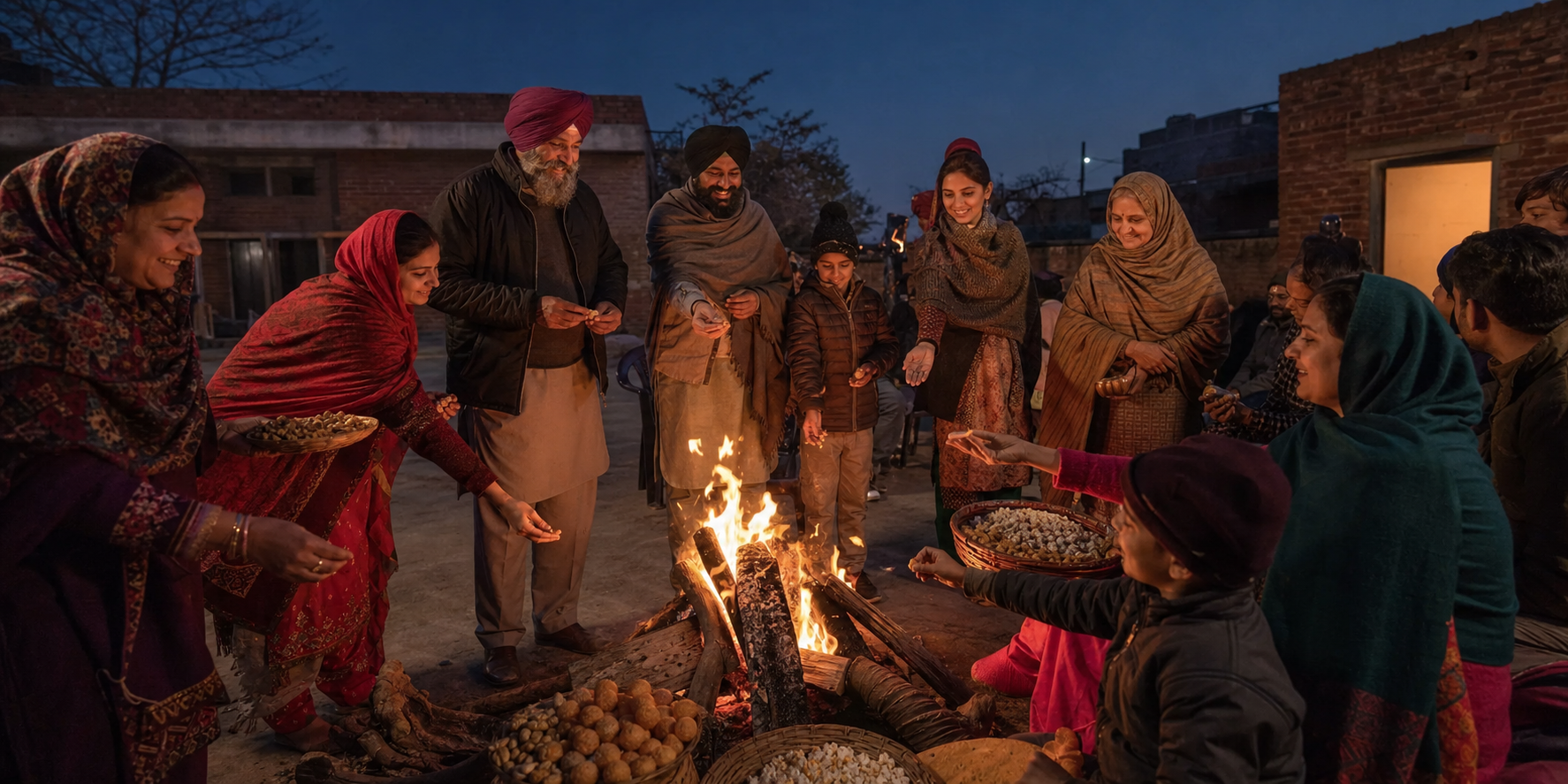
Lohri 2026 (13 January): North India’s Fiery Harvest, Community Bonds, and Dharmic Unity

Lohri 2026 falls on 13 January, a day before Makara Sankranti, and brings communities together across Punjab, Haryana, Himachal Pradesh, Jammu, and Delhi. As a harvest festival aligned with the winter solstice cycle, it symbolizes warmth, renewal, and gratitude. Families gather around bonfires, offer til and gur, and enjoy Bhangra, Giddha, and folk songs like…
-
The Sikh Spectrum Unveiled at Khalsa College, Amritsar: A Landmark for Dharmic Unity

“The Sikh Spectrum” was released at Khalsa College, Amritsar, in a setting renowned for scholarship and community leadership. The book presents Sikh history and philosophy through rigorous, accessible analysis and situates Sikhism in dialogue with Hindu, Buddhist, and Jain traditions. Attendees noted both intellectual depth and an atmosphere of calm reflection, emphasizing relevance to ethical…
-
World’s Largest Nagar Kirtan: Khalsa College Amritsar Inspires Faith, Service, and Unity

Anchored by students of Khalsa College, Amritsar and guided by the Khalsa College Governing Council, the world’s largest Nagar Kirtan exemplifies living Sikh heritage in the public square. The procession fuses devotion and service, turning city streets into shared spaces of reflection and renewal. Student leadership showcases how academic institutions can cultivate responsibility, teamwork, and…
-
Punjab’s River Water Crisis: Unraveling Decades of Injustice and a Path to Renewal

Punjab’s river water crisis reflects decades of policy, ecological, and interstate misalignments that depleted aquifers, strained canals, and heightened public health concerns. This post traces the historical arc from colonial canals to Green Revolution incentives and modern hydropolitics, including the SYL dispute. It highlights community experiences—farm wells deepening, tail-end canal shortfalls, and water quality anxieties—while…
-
Punjab’s Changing Faith Landscape: Dialogue, Due Process, and Unity over Division
A recent call by the Punjab Bachao Andolan to address alleged conversion activities has reignited debate in Punjab about religious freedom, ethical outreach, and community cohesion. This analysis outlines a balanced, law-based path that protects voluntary faith choice while addressing concerns over coercion or inducement. It recommends evidence-driven inquiry, transparent safeguards, and ethical engagement standards…
-
Mata Sahib Devan’s Sacred Journey: From Rohtas to Anandpur Sahib and the Khalsa’s Spiritual Motherhood

Mata Sahib Devan’s journey from Rohtas to Anandpur Sahib is a cornerstone of Sikh history and a bridge to shared Dharmic values. Set within the cultural landscape of Punjab, the narrative reveals how personal devotion matures into public service. Her sanctification of Amrit with patashe symbolizes a lasting ethic—strength framed by compassion. Read in an…
-
Guru Ladho Re! Bhai Makhan Shah’s Daring Search and the Discovery of Guru Tegh Bahadur Ji

“Guru Ladho Re!” captures the pivotal moment when Bhai Makhan Shah Lubana identified Guru Tegh Bahadur Ji at Baba Bakala, restoring unity amid competing claims. Anchored in Sikh history, the episode showcases discernment, fidelity to vows, and ethical leadership. It offers a relatable model for navigating crisis, testing truth with humility, and affirming authenticity. The…