In the Ravatle area of Chiplun, within the Ratnagiri district of Maharashtra, the Vindhyavasini Temple endures as a living sanctuary of Shakti. Revered as a sacred seat of the Divine Mother, the temple exemplifies how devotion, memory, and community stewardship can sustain a shrine across generations. Its continued vitality offers a compelling lens on Maharashtra’s cultural heritage and the broader tapestry of Hindu temples in the Konkan region.
Across the centuries, the temple’s significance has been shaped as much by people as by stone. Oral traditions, family pilgrimages, and seasonal festivals have layered meanings onto the site, transforming it into a shared locus of memory for Chiplun and nearby coastal settlements. In this sense, the temple’s “history” is not solely a record of dates or patrons; it is the continuity of practicerecitations, offerings, and vowsthrough which collective identity finds expression.
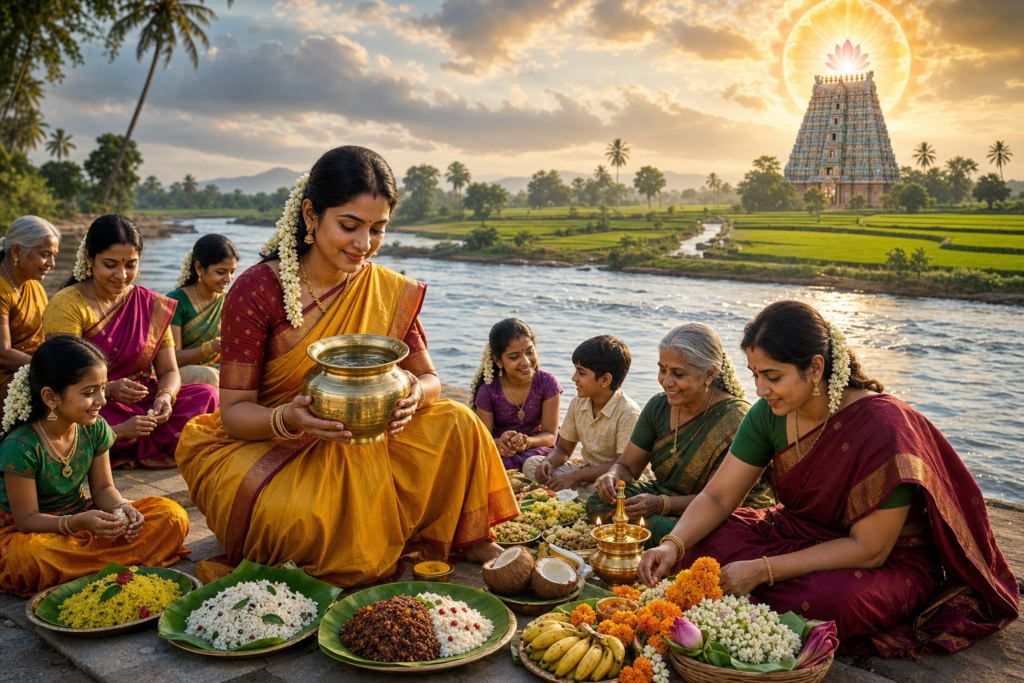
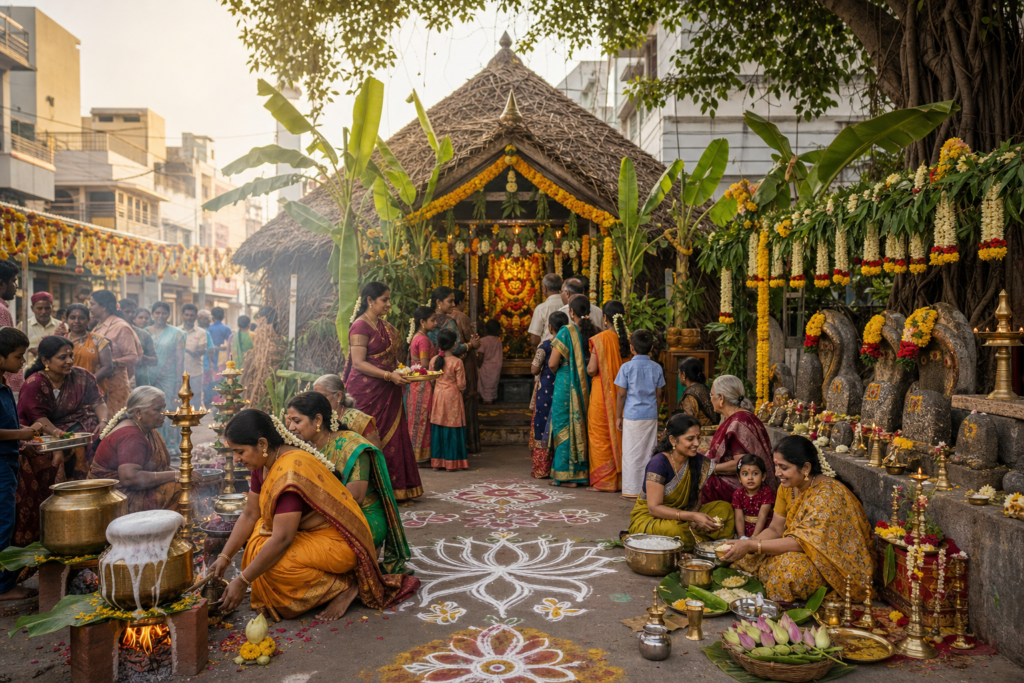
Ritual life at the shrine reflects the rhythms that characterize many Shakti temples in Maharashtra. Daily darshan and aarti foster intimate bonds of devotion, while Navaratri brings an intensified atmosphere of prayer, music, and communal service. Pilgrims frequently describe a palpable calm within the sanctum, a felt sense of grace that resonates beyond formal ritual. These recurring experiences underscore why the temple remains a trusted point of spiritual anchoring for residents and travelers alike.
Geographically, the temple’s setting in the Konkan belt situates it within an ancient corridor of travel and exchange. Chiplun’s role as a regional hub has historically facilitated flows of pilgrims, ideas, and craft traditions. This interplay between locality and movement has helped the Vindhyavasini Temple evolve organicallyadapting to changing times while safeguarding core practices that define its sanctity.
Equally vital is the temple’s ethical message of harmony that resonates across dharmic traditions. The shrine’s inclusive ethoscentered on reverence, service, and the search for inner transformationspeaks to values shared by Hinduism, Buddhism, Jainism, and Sikhism. By honoring diverse devotional paths and encouraging respectful coexistence, the temple contributes to unity in spiritual diversity without diminishing its own distinctive identity as a Shakti peetha in Maharashtra.
Visitors often note the site’s blend of simplicity and depth: the steady cadence of chants, the fragrance of flowers and incense, and the understated dignity of the garbhagriha. Such sensory details, though modest, sustain an atmosphere of living heritage. This is where history is encountered not as distant chronicle but as daily practicewhere community memory and personal devotion converge in the presence of the Divine Mother.
Looking ahead, the temple’s preservation depends on thoughtful stewardshipdocumenting local lore, maintaining the sanctum’s integrity, and supporting responsible pilgrimage. These efforts align cultural heritage with contemporary needs, ensuring that the Vindhyavasini Temple continues to inspire seekers, strengthen community bonds in Ratnagiri, and illuminate the enduring vitality of Hindu temples across Maharashtra.
Inspired by this post on Hindu Blog.