The visible decline of Christianity as a unifying religious framework in Britain has coincided with renewed interest in older, nature-based spiritualities. The term “Paganism” has long resonated in Western culture—from The Iliad to The Wicker Man—and in contemporary usage it spans everything from esoteric worldviews to widely misunderstood stereotypes. Stripping away such projections reveals a coherent, rapidly growing spiritual landscape that merits careful, academic attention.
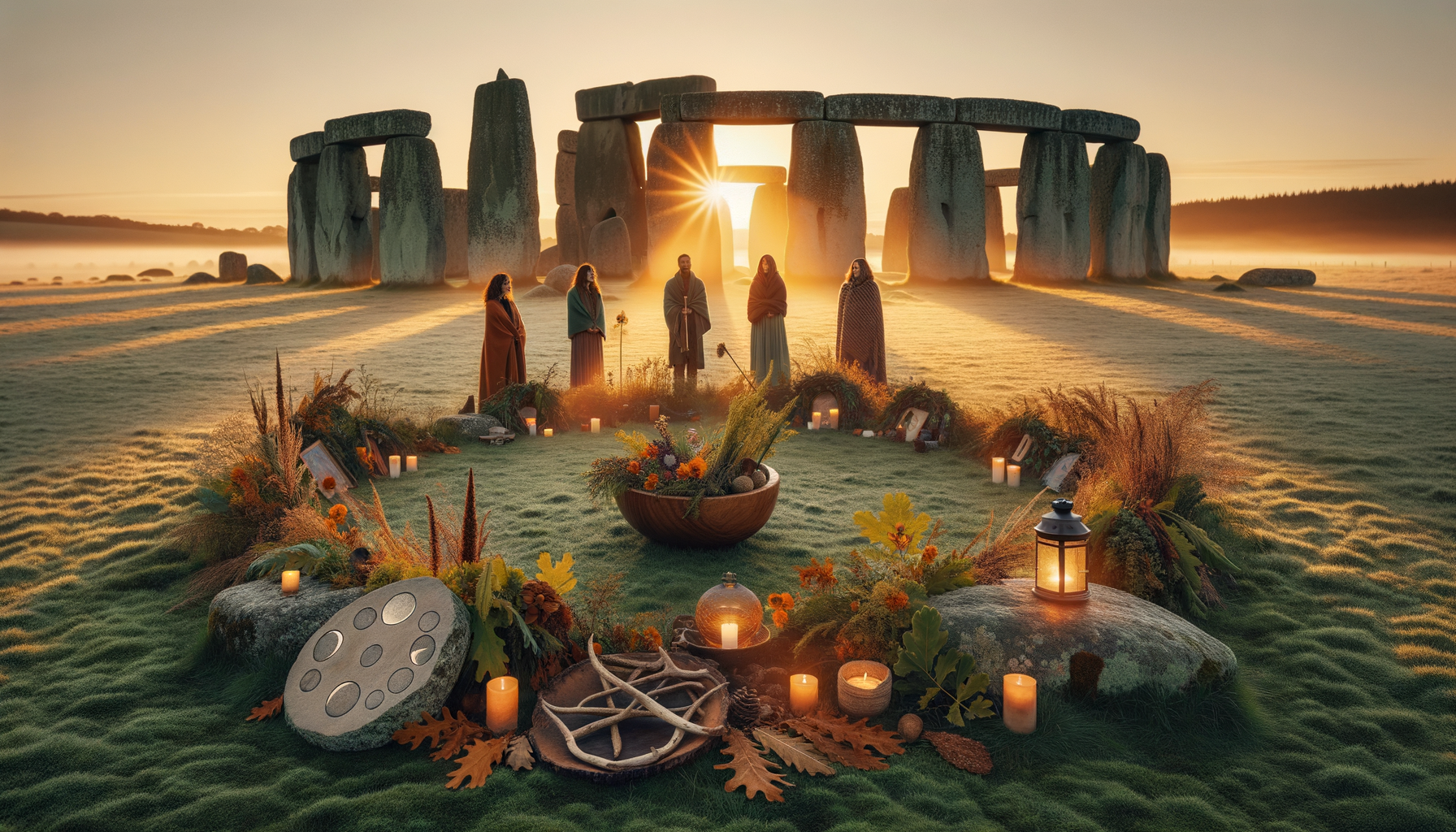
Recent indicators underscore this momentum. The national census records a near 30 percent rise in self-identified Pagans since 2011, and research from the Institute for the Impact of Faith in Life notes Paganism as a frequent destination for those departing Christian denominations. Public observances—such as Winter Solstice gatherings at Stonehenge—further signal that modern Paganism has moved from the margins toward mainstream visibility within Britain’s multi-ethnic, multi-faith society.
Conceptually, Paganism functions as an umbrella for recently developed religions inspired by pre-Christian traditions across Europe and the Near East. Devotional frameworks draw on the Olympian deities of ancient Greece and Rome, the Norse and Germanic pantheons including Odin or Woden, and Celtic, Egyptian, and Mesopotamian figures. Modern literature has also shaped more abstract archetypes—such as the horned or antlered god associated with wild nature, and the moon goddess whose three phases mirror those of womanhood—providing powerful symbolic anchors for contemporary practice.
Ritual is central. Rather than relying on permanent temples or shrines, practitioners consecrate space anew for each ceremony, often outdoors or in domestic settings. Emphasis falls on direct experience of the sacred through liturgy and symbolic action, with relatively little focus on canon or systematic theology. Leadership is typically facilitative rather than sacerdotal, and groups tend to be small—five to twenty people—or composed of solitary practitioners who connect through online communities. This participatory model aligns with modern preferences for flexible, community-based spiritual life.
Three features best explain the appeal. First, the veneration of a Goddess or multiple goddesses—alongside or instead of male deities—foregrounds feminine sacrality and opens space for priestesses, contributing to a perceived gender balance. Second, environmentalism is intrinsic: nature is encountered as inherently sacred, inviting urban, industrial societies to reweave spiritual connection with land, seasons, and place. Third, personal growth is emphasized over doctrinal compliance; concepts such as sin and damnation recede, while ethical maxims like avoiding harm—to persons and planet—guide the pursuit of human potential. Many adherents anticipate cyclical return or reincarnation, and view deities as collaborators rather than distant judges.
Modern Paganism tends to attract individuals who are independent, inquisitive, and skeptical of authority—those who prefer learning through reading, questioning, and lived practice. For such personalities, experiential ritual and the absence of rigid dogma offer a compelling alternative to more centralized religious structures. In a society increasingly plural and digitally connected, small-scale rites and home-based observances integrate naturally into daily life.
Historically, this resurgence resonates with earlier European visions of a cosmos in which people could befriend deities, choose among pantheons, and valorize personal achievement. Traits once criticized by Christian polemic—individuality, sensuality, and worldliness—can be reframed today as responsible self-cultivation within an ethical, nature-honoring framework. The result is not license but a disciplined spirituality rooted in reciprocity with community and environment.
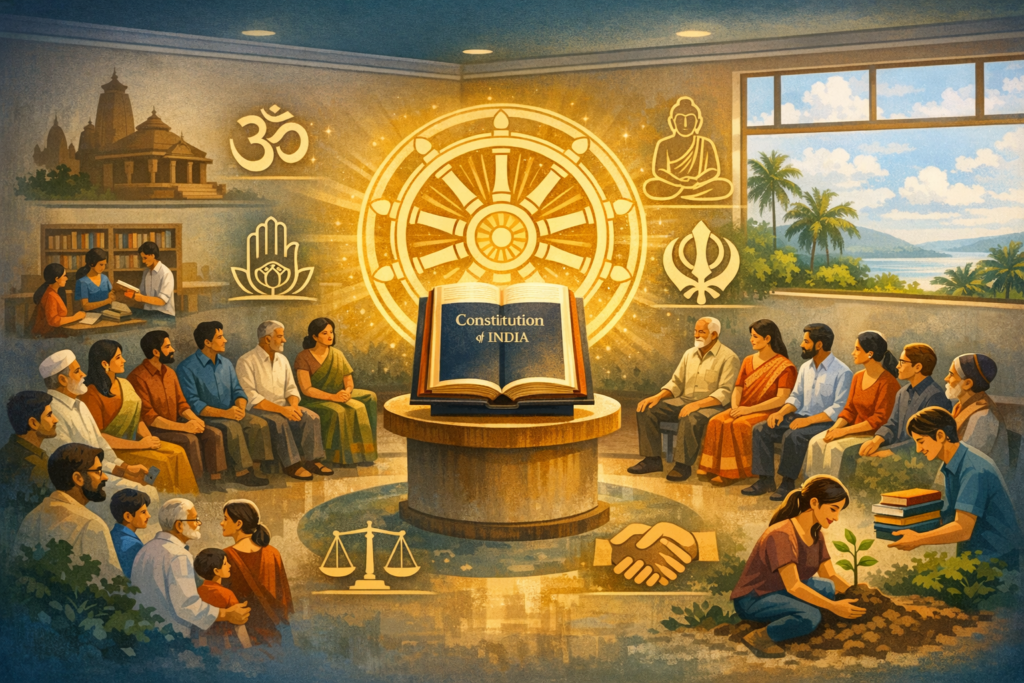
These developments also harmonize with values cherished across the dharmic traditions of Hinduism, Buddhism, Jainism, and Sikhism. Shared themes include respect for multiple spiritual paths, reverence for nature, disciplined self-cultivation, and ethical non-harm. The Pagan emphasis on cyclical time, seasonal observances, and mindful conduct parallels dharmic insights into karma, interdependence, and stewardship. In this light, interfaith dialogue between Pagan and dharmic communities can deepen mutual understanding, strengthen pluralism, and inspire collaborative environmental action.
It is important to distinguish broad-based practice from occasional appropriations of symbols by fringe political groups. Responsible Pagan communities foreground inclusivity, ecological responsibility, and ethical conduct, reflecting a wider commitment to religious freedom and social harmony. Academic inquiry and community education can counter sensationalism, ensuring nuanced understanding of both symbols and practice.
As Britain evolves into a more plural, multi-faith nation, modern Paganism’s growth appears less a fleeting trend than a coherent response to contemporary spiritual needs. Its participatory rites, reverence for the natural world, and emphasis on personal flourishing offer a credible path for seekers who value choice, community, and ecological care. In conversation with dharmic traditions and other faiths, this resurgence can contribute meaningfully to a respectful, sustainable, and spiritually diverse public culture.
Inspired by this post on Hindu Human Rights Blog.