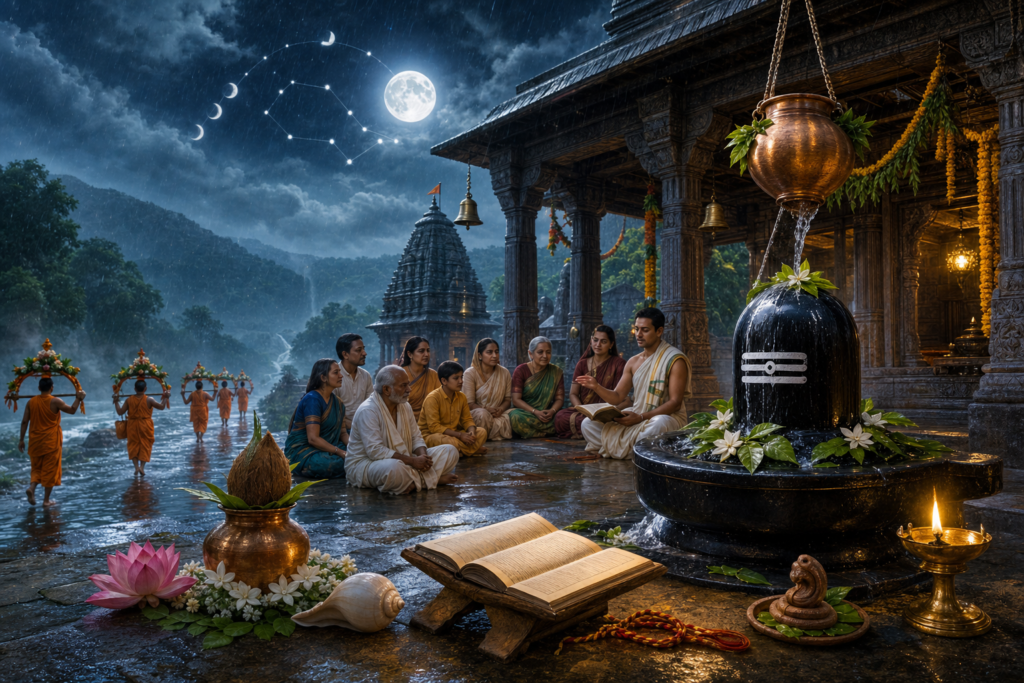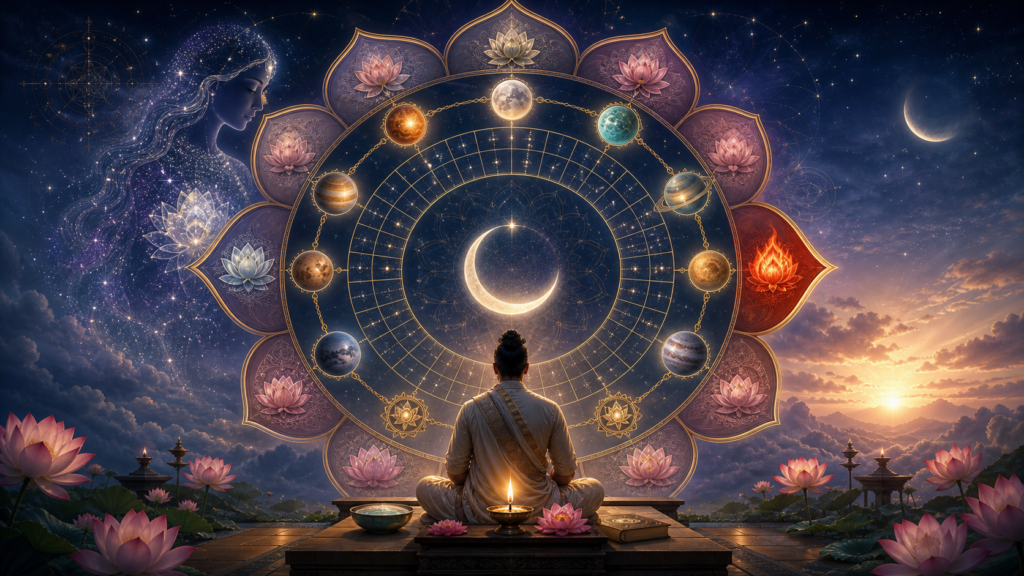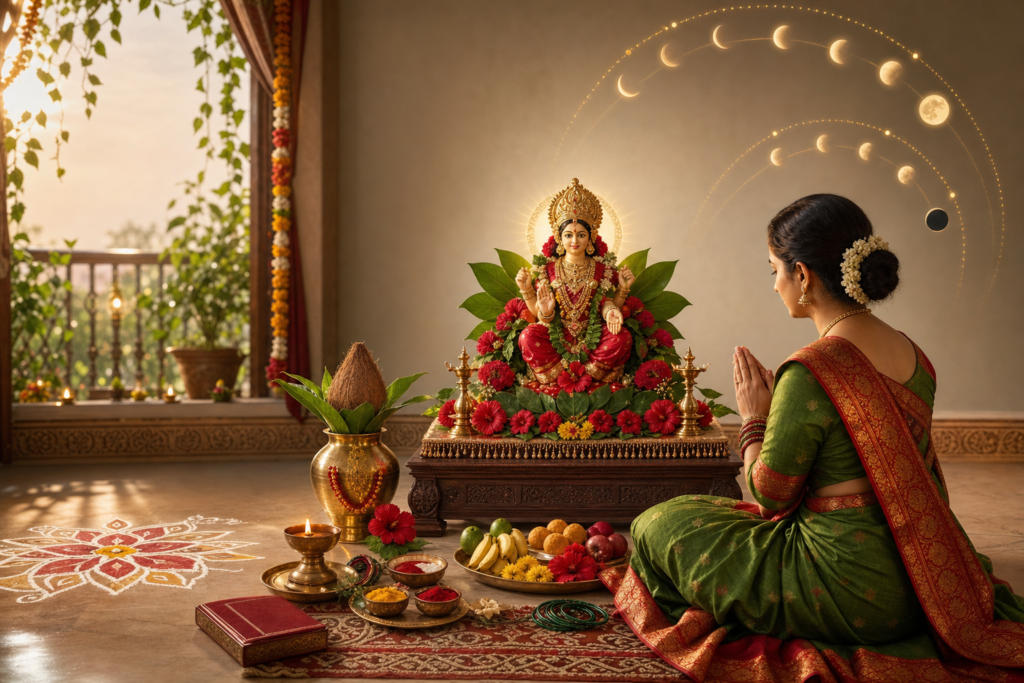
Thursday, January 1, 2026, in the Hindu calendar (Panchang) marks Shukla Paksha Trayodashithe thirteenth lunar day of the bright fortnightin most regions. This tithi prevails until 8:29 PM, after which it transitions to Shukla Paksha Chaturdashi, the fourteenth lunar day. These timings guide daily observances, temple rituals, and personal disciplines across diverse communities.
In Panchang, tithi denotes the angular relationship between the Sun and the Moon and serves as a core measure of sacred time. Shukla Paksha signals the waxing phase, traditionally associated with growth, renewal, and clarity. By understanding the Trayodashi–Chaturdashi transition on this date, practitioners can align prayers, vratas, and meditative practices with precision and purpose.
Many households use Trayodashi for calm, structured beginnings to the day, choosing morning worship for steadiness and evening reflection for gratitude. As the evening approaches, the awareness that the tithi changes at 8:29 PM helps communities plan devotional activities mindfully. After the transition, Chaturdashi lends itself to resolute intention-setting and contemplative practices that prepare for Purnima.
While this note highlights the tithi, Nakshatra and Rashi on January 1, 2026 can vary by location and local calculation standards. For accurate regional details, individuals typically consult a trusted regional Panchang, temple notice boards, or community astrologers. Across dharmic traditionsincluding Hinduism, Buddhism, Jainism, and Sikhismthis careful attention to timekeeping nurtures mindfulness, ethical living, and a shared culture of respect.
Regarding good time (Shubh Muhurat), intention and rhythm with the prevailing tithi are central. On this day, periods before 8:29 PM align with Shukla Paksha Trayodashi, and the hours thereafter align with Shukla Paksha Chaturdashi. Many devotees choose morning sandhyā for serenity and evening prayers for reflection, harmonizing routine with the lunar cycle and fostering unity in spiritual diversity.
Summary for planning: January 1, 2026 is Shukla Paksha Trayodashi until 8:29 PM, followed by Shukla Paksha Chaturdashi. The day supports structured worship, mindful work, and service-oriented intentions. Those coordinating group observances often verify local Panchang specifics for Nakshatra, Rashi, and regional muhurat. Such alignment honors tradition while encouraging a spirit of inclusion across communities.
Inspired by this post on Hindu Blog.