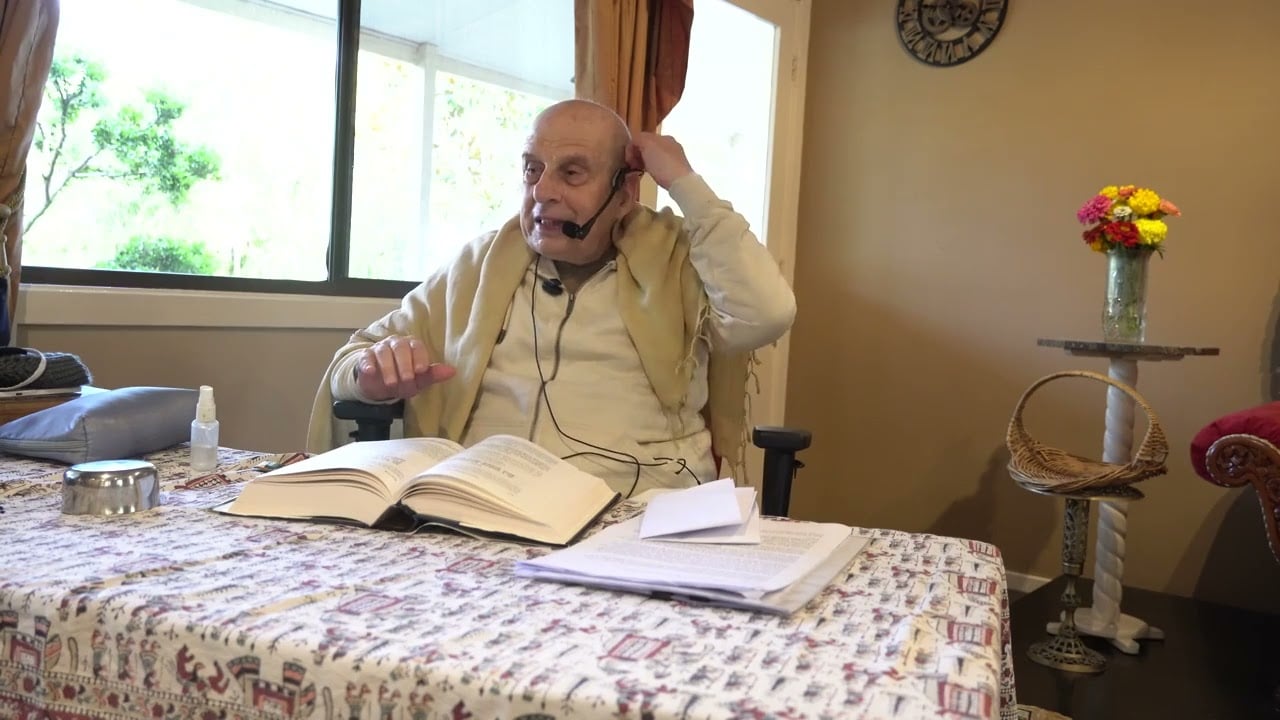
On 12 April 2026, Melbourne hosted Gauranga Mahaprabhu Lila Kirtana (Part 2), a carefully curated devotional gathering presented on the channel of His Grace Bhurijana Dasa, a senior disciple of His Divine Grace A.C. Bhaktivedanta Swami Prabhupada. The evening offered a structured immersion into Gaura-lila through narrative-rich kirtana, combining theology, musicology, and communal participation in a manner emblematic of the Bhakti Tradition within the Hare Krishna Movement and ISKCON (International Society For Krishna Consciousness).
The program brought together Melbourne’s diverse dharmic communityfamilies, students, and long-time practitionersinto a shared, contemplative space. Attendees described a palpable sense of calm and focus as the kirtana unfolded in progressive movements, demonstrating how collective chanting and listening can foster inward attention while strengthening communal bonds across generations and cultural backgrounds.
Bhurijana Dasa’s contribution was rooted in the Guru-Shishya Tradition, linking contemporary practice with the lineage of Srila Prabhupada. Known for accessible yet learned presentations, he emphasized the devotional purpose of kirtana: to remember, glorify, and internalize the teachings and pastimes (lila) of Sri Chaitanya MahaprabhuGaurangawhose message universalized bhakti as an open, transformative path in the present age.
Lila kirtana differs from simple nama-kirtana by interweaving narrative episodes with sung glorification; it is devotional storytelling through melody and rhythm. The intention is not performance for its own sake, but a contemplative re-living of sacred history that invites participants to enter the moods (bhava) associated with the pastimes being sung. In this sense, it is a pedagogical and experiential bridge between textual traditions and lived devotion.
Theologically, Gaudiya Vaishnava thought frames these practices through achintya-bheda-abhedasimultaneous oneness and differenceexplaining the devotee’s relationship with the Divine and the presence of sacred sound as a spiritual reality. Gaura-lila is understood as the compassionate extension of Krishna-lila, distributing divine love (prema) through sankirtana. Foundational inspirations include Chaitanya Charitamrita, Chaitanya Bhagavata, and verses revered in the tradition such as “param vijayate sri-krsna-sankirtanam” (Sri Siksastakam) and the widely cited “harer nama harer nama harer namaiva kevalam, kalau nasty eva nasty eva nasty eva gatir anyatha.”
The scriptural grounding situates kirtana within Srimad Bhagavata Purana’s emphasis on hearing and chanting (sravanam, kirtanam), which are central limbs of sadhana-bhakti. In lila kirtana, narrative segmentssuch as Sri Chaitanya’s nocturnal kirtanas at Srivasa Angan, His sankirtana processions, His sannyasa decision, and His deep absorptions in Puriare often conveyed as thematic movements. These episodes serve not as historical recitations alone but as contemplative cues guiding inner reflection and devotional aspiration.
Musically, the ensemble typically employs call-and-response structures, allowing even first-time participants to anchor within the flow. Instruments commonly include khol (mrdanga), kartals, and harmonium, supporting melodic lines often drawn from accessible raga families and cyclic tala patterns that encourage meditative entrainment. The alternation of refrain and verse creates a neurological predictabilityfamiliar refrains stabilize attention while new lines extend narrative comprehension.
Attendees reported a progressive deepening of affect: opening invocations established a contemplative baseline; mid-program segments increased tempo and density, evoking shared enthusiasm; and closing movements returned participants to a gentle, reflective cadence. This arc mirrors a classical aesthetic designintensification, culmination, and releaseguiding practitioners from focused attention toward expansive devotional sentiment.
From the perspective of rasa theory (as codified by Rupa Goswami in the broader bhakti-aesthetic tradition), kirtana functions as an art of sanctified emotion. Musical contour, lyrical choice, and congregational voice cooperate to stabilize a dominant devotional mood (sthayi-bhava) while complementary sentiments arise and resolve without fragmenting the central devotional orientation. The result is an integrated affective experience aligned with philosophical clarity.
Participants described tangible psychological effects. Slow, synchronized breathing during extended refrainsespecially when the mantra “Hare Krishna Hare Krishna, Krishna Krishna Hare Hare / Hare Rama Hare Rama, Rama Rama Hare Hare” was sustainedfacilitated relaxation and attentional steadiness. Contemporary research on breath-led chanting suggests improved parasympathetic activation and vagal tone, which many attendees anecdotally associated with reduced mental fatigue and enhanced post-kirtana clarity.
Socially, the Melbourne gathering demonstrated how devotional music serves as cultural infrastructure. Grandparents, parents, and youth participated side-by-side, transmitting heritage through shared sound. Such intergenerational participation functions as a living archive, ensuring Cultural Heritage remains vibrant not through preservation alone but through regular, participatory renewal.
The program also reflected the unity across dharmic traditionsHinduism, Buddhism, Jainism, and Sikhismby resonating with common practices: Sikh shabad kirtan set in ragas, Buddhist sutra recitations and mantric chanting, and Jain stavan and samayik with measured breath and sound. Each tradition, while retaining its unique doctrinal core, uses sacred sound as a means to cultivate compassion, attention, and ethical clarity. The event implicitly honored this shared civilizational grammar of devotion and contemplative discipline.
Ethically, the kirtana milieu foregrounded values like ahimsa (non-violence), seva (service), and gratitude. The devotional frame converts musical participation into ethical formation: humility is practiced through call-and-response, patience through cyclic repetition, and mutual respect through careful listening. Many attendees identified these micro-disciplines as immediately transferable to family dynamics and workplace interactions.
Linguistically, the program moved fluently between Sanskrit, Bengali, and English explanations, reflecting the adaptability of the Bhakti Tradition in global cities. Narrative interludes supplied historical and scriptural context, while the congregational portions democratized participation. This dual registerexplanatory precision and participatory opennessmade the evening accessible to both seasoned practitioners and newcomers.
From a liturgical standpoint, the sequencing resembled a three-part architecture: invocatory stanzas to establish sacred presence; central narrative-saturated kirtanas to unfold episodes of Gaura-lila; and concluding benedictions to consolidate insight. The balance of tempo, volume, and melodic density followed a pedagogical logic aimed at stabilizing attention before inviting heightened affective engagement, and then guiding a measured return to quietude.
Historically, Sri Chaitanya’s sankirtana revival is understood as democratizing access to bhakti. The Melbourne assembly embodied that same inclusivity: participation did not depend on prior musical skill, ritual expertise, or cultural familiarity. Sacred sound, shaped by lineage and guided by qualified teachers, functioned as the common ground upon which unity and insight could arise naturally.
Several participants conveyed experiential takeaways. One attendee remarked that steady engagement with the refrains made it “easier to notice the mind settling,” while another observed a renewed appreciation for familial togetherness after singing in unison. Such reflections align with long-standing observations in the tradition that congregational kirtana strengthens both inner composure and social cohesion.
Practical integration after the event centered on small, sustainable routines: setting aside a few minutes daily for quiet japa or soft congregational chanting, reading a short passage from Srimad Bhagavata Purana, and concluding with gratitude. These simple disciplines, when consistently applied, align with the sadhana-bhakti framework and help carry the event’s contemplative momentum into everyday life.
The Melbourne program thereby functioned on multiple levelsdevotional, educational, aesthetic, and communalwhile aligning with a wider dharmic ethos that values unity in diversity. By honoring distinct traditions that share a commitment to sacred sound, ethical living, and contemplative depth, the evening supported a civilizational vision in which devotional arts foster mutual respect and collective flourishing.
In sum, Gauranga Mahaprabhu Lila Kirtana (Part 2) in Melbourne exemplified how lineage-based music, philosophical clarity, and inclusive participation can converge into a single, transformative experience. Anchored in ISKCON’s living heritage through Bhurijana Dasa, the gathering advanced a culture of contemplative joy and dharmic unityan enduring resource for individuals, families, and communities seeking depth, meaning, and togetherness.
Inspired by this post on Dandavats.