Tarigonda Sri Lakshmi Narasimha Swamy Temple in Gurramkonda mandal, Annamaya district (Andhra Pradesh) will observe its annual Brahmotsavams from 24 February to 05 March 2026, with Ankurarpanam on 23 February. In line with established practice, Tirumala Tirupati Devasthanam (TTD) has prepared extensive arrangements for smooth darshan and participation, including pandals, rangolis, dedicated queue lines, and safety barricades across the temple precincts.
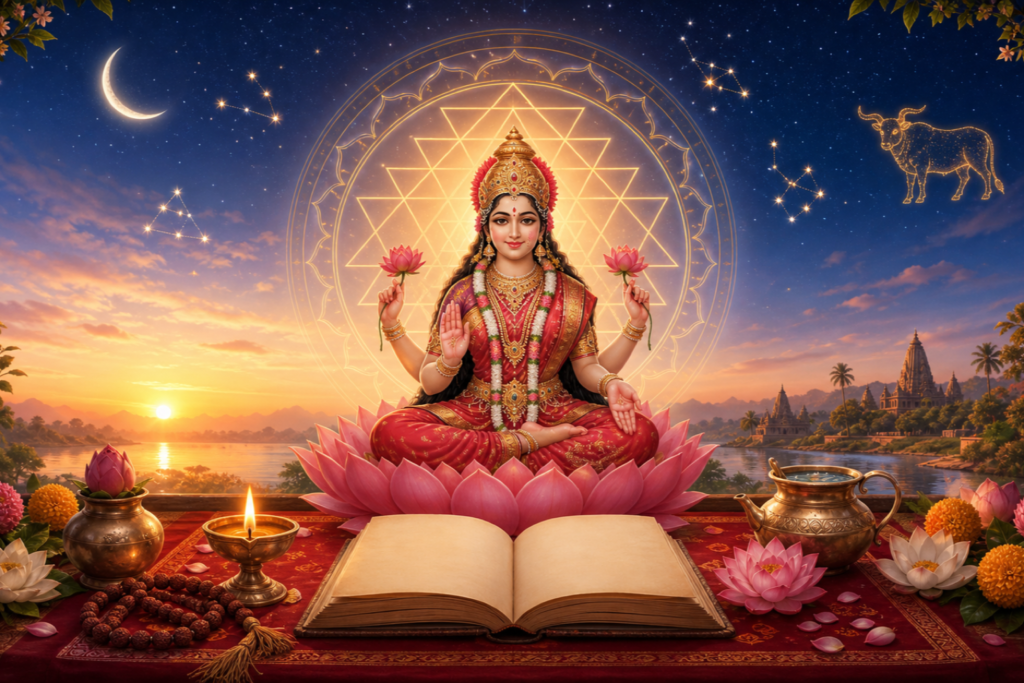
In the Vaishnava tradition, Brahmotsavamliterally the “grand festival instituted by Brahma”is a multi-day celebration that ceremonially reaffirms the temple’s cosmic order (dharma), sanctifies the sacred geography of the kshetra, and invites the deity’s grace upon devotees and the region. At Tarigonda, the focus on Lakshmi Narasimha Swamy emphasizes both compassion and protection: the presence of Mahalakshmi (Lakshmi) connotes benevolence, while Narasimha evokes swift protection (kshipra-prasadi) and removal of obstacles.
Ankurarpanam on 23 February 2026 commences the festival by consecrating seeds (ankura) to symbolize auspicious germination of virtue and welfare. Agamically, this rite marks the activation of sankalpa (ritual intent) and the ritually bounded time of the utsava. Priests prepare the yaga-shala, invoke protective deities, and establish kalashas, thereby aligning the festival with both Vaidika and Pancharatra-Agamic prescriptions.
From 24 February, the customary sequence generally includes Dhwajarohanam (flag hoisting) to invite all celestial beings, followed by morning and evening vahana-sevas in which the Lord graces devotees on distinct vehicles that carry rich theological symbolism. While temple-specific lineups vary across TTD-managed shrines, devotees at Tarigonda can typically expect vahanams such as Sesha, Hamsa, Simha, Hanumantha, Gaja, Surya-prabha, and Chandra-prabha. The iconic Garuda Seva, drawing large congregations, underscores the primacy of Garuda in Vaishnava iconography.
Mid-festival, rituals such as Snapana Tirumanjanam (ceremonial abhisheka with sanctified waters, milk, and fragrant essences) accentuate the deity’s saundarya (beauty) and anugraha (grace). Veda-parayanam, Divya Prabandha recitation, Harikatha, and sankeertanas enhance the devotional atmosphere, while the evening deepa-harati unifies the sensessight, sound, fragranceinto a single contemplative experience.
Later highlights typically include Rathotsavam (the chariot festival), where the utsava-murti’s procession becomes a moving axis of sanctity, and Chakrasnanam, the concluding rite in which the Sudarshana Chakra is ceremonially immersed, symbolizing ritual completion and cosmic purification. Dwajavarohanam (flag lowering) draws the festival to a liturgical close, returning the temple to its daily rhythm.
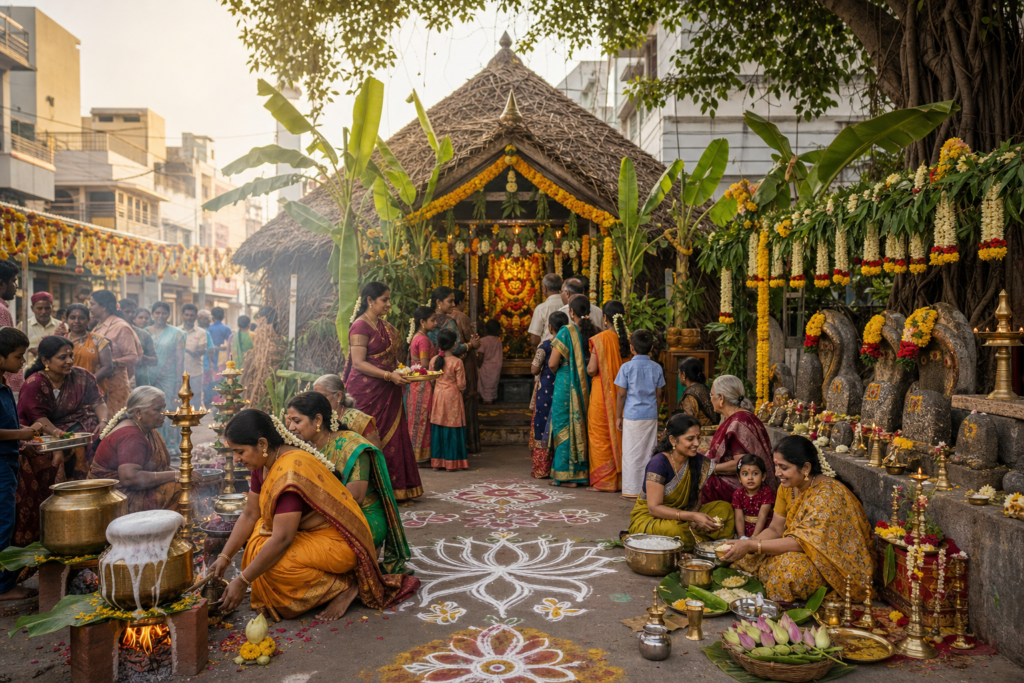
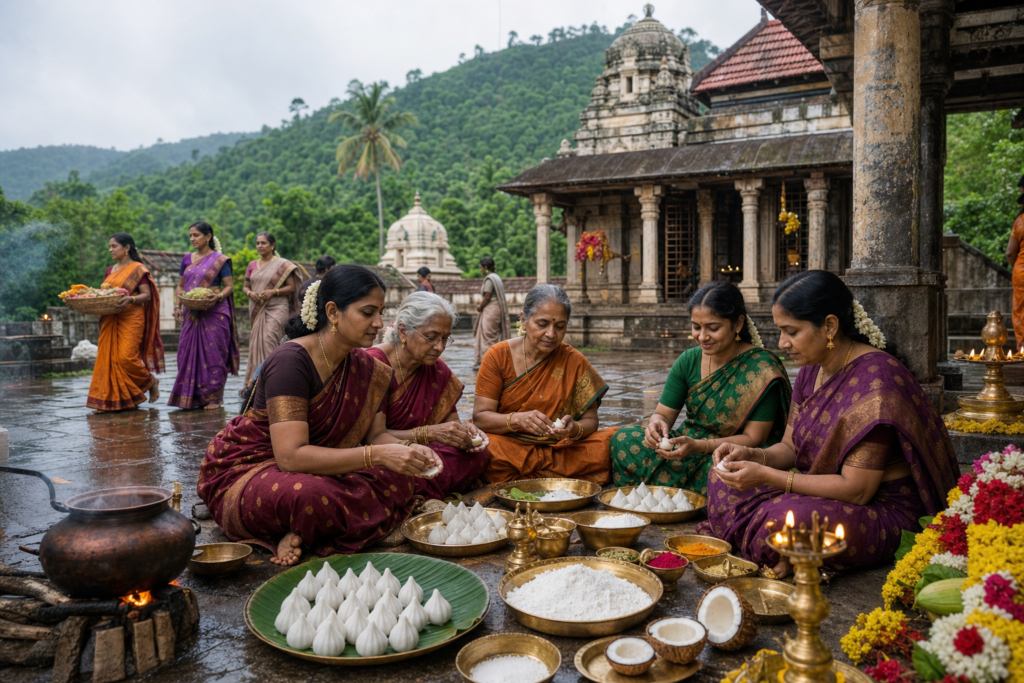
TTD’s arrangements at Tarigonda are designed for safety, comfort, and accessibility. In addition to pandals and rangolis that elevate the festive ambiance, the campus is structured with clear wayfinding, queue lines, and barricades for orderly darshan. Essential servicesdrinking water points, first-aid kiosks, sanitation facilities, and volunteer assistanceare typically deployed in coordination with district administration and security personnel to ensure a dignified experience for families, elders, and pilgrims with special needs.
Tarigonda’s cultural memory is enriched by its association with Tarigonda Vengamamba, the eminent poet-devotee whose life and works continue to inspire Vaishnava bhakti across the Telugu region. The temple’s Brahmotsavams thus operate not only as ritual enactments but also as living pedagogytransmitting Andhra’s devotional and literary heritage to new generations while strengthening community bonds across the wider Annamaya district.
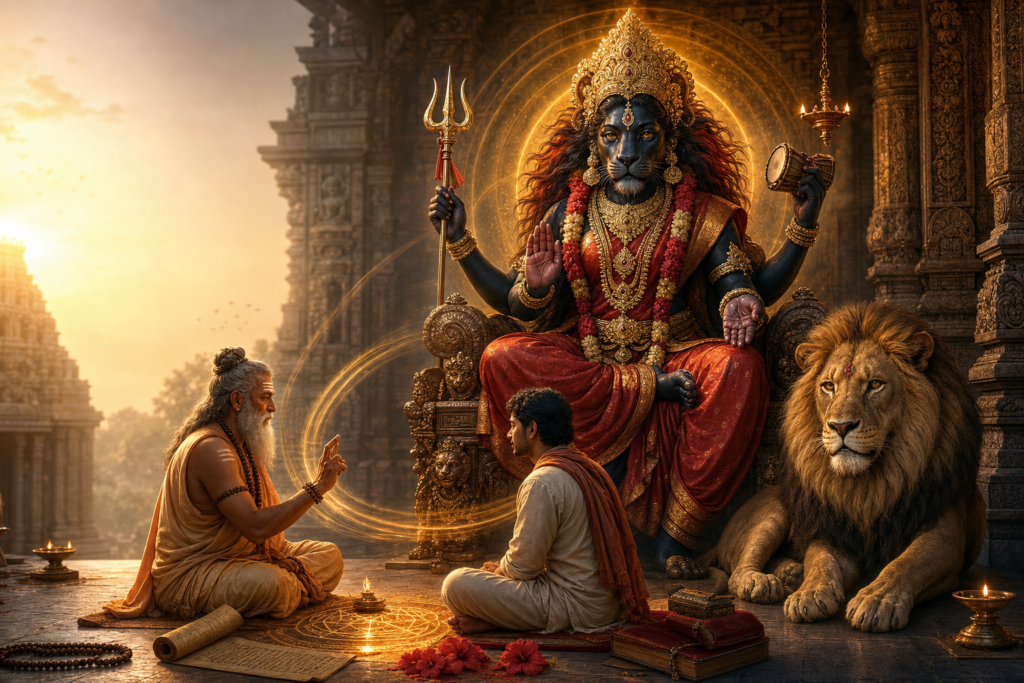
Iconographically, Lakshmi Narasimha embodies a profound synthesis: the presence of Lakshmi mitigates Narasimha’s ugra (fierce) aspect, yielding a form that assures abhaya (fearlessness) and kshema (well-being). For many devotees, vahana-sevas like Simha Vahanam illuminate this theology, expressing courage tempered by compassion. The interplay of sound (nadaswaram), color (alankara), and motion (processions) transforms the streets around the shrine into an extended sacred space.
In spirit, the Brahmotsavams exemplify values cherished across the broader dharmic familyseva (selfless service), dana (generosity), satya (truth), shraddha (devotional intent), and ahimsa (non-harm). These principles, shared in diverse ways within Hinduism, Buddhism, Jainism, and Sikhism, encourage harmonious coexistence and mutual respect. The festival thus functions as a cultural bridge, inviting all to participate with reverence and to recognize the shared ethical core of India’s civilizational traditions.
Devotees often describe the experience as both elevating and grounding: the sight of the deity on vahana, the cadence of Veda-parayanam, and the fragrance of tulasi and camphor combine to create moments of inward stillness amidst public celebration. Families frequently plan darshan around morning and evening processions; elders and children benefit from early arrival, hydration, and light, respectful attire in accordance with temple norms.
Tarigonda is accessible by road from Gurramkonda and regional hubs in Annamaya district, with onward connectivity from Madanapalle Road railway station and major nodes such as Tirupati. Pilgrims commonly coordinate accommodation in nearby towns, align travel with key vahana-sevas, and allow buffer time for peak days like Garuda Seva and Rathotsavam. Responsible pilgrimageminimizing single-use plastics, maintaining queue discipline, and assisting eldersenhances both personal experience and collective well-being.
Safety and sustainability remain central to TTD’s festival management. Crowd flow, lighting, public address systems, and periodic sanitation are typically synchronized to ensure comfort and compliance with local regulations. Devotees can support these efforts by following volunteer guidance, using designated entry/exit points, and observing instructions around the vahana routes and the chariot corridor.
In some years, the temple also observes Dhwajasthambha Samprokshanaritual sanctification of the flagstaffaccording to Agamic procedure (alaya-shuddhi, kalaśa-sthapana, kumbhabhishekam). When scheduled, it complements Brahmotsavam by ritually renewing the temple’s protective axis and reinforcing the sanctity of the ceremonial flag that signals celestial invitation during Dhwajarohanam.
With Brahmotsavams 2026 at Tarigonda Lakshmi Narasimha Swamy Temple commencing on 24 February (Ankurarpanam on 23 February), the confluence of devotion, ritual precision, and community service promises a deeply meaningful pilgrimage. The festival’s blend of theological depth and cultural warmthanchored by TTD’s arrangementsoffers devotees an opportunity to experience the protective grace of Narasimha and the nurturing presence of Lakshmi, while celebrating the shared values that unify India’s dharmic traditions.
Inspired by this post on Hindu Pad.