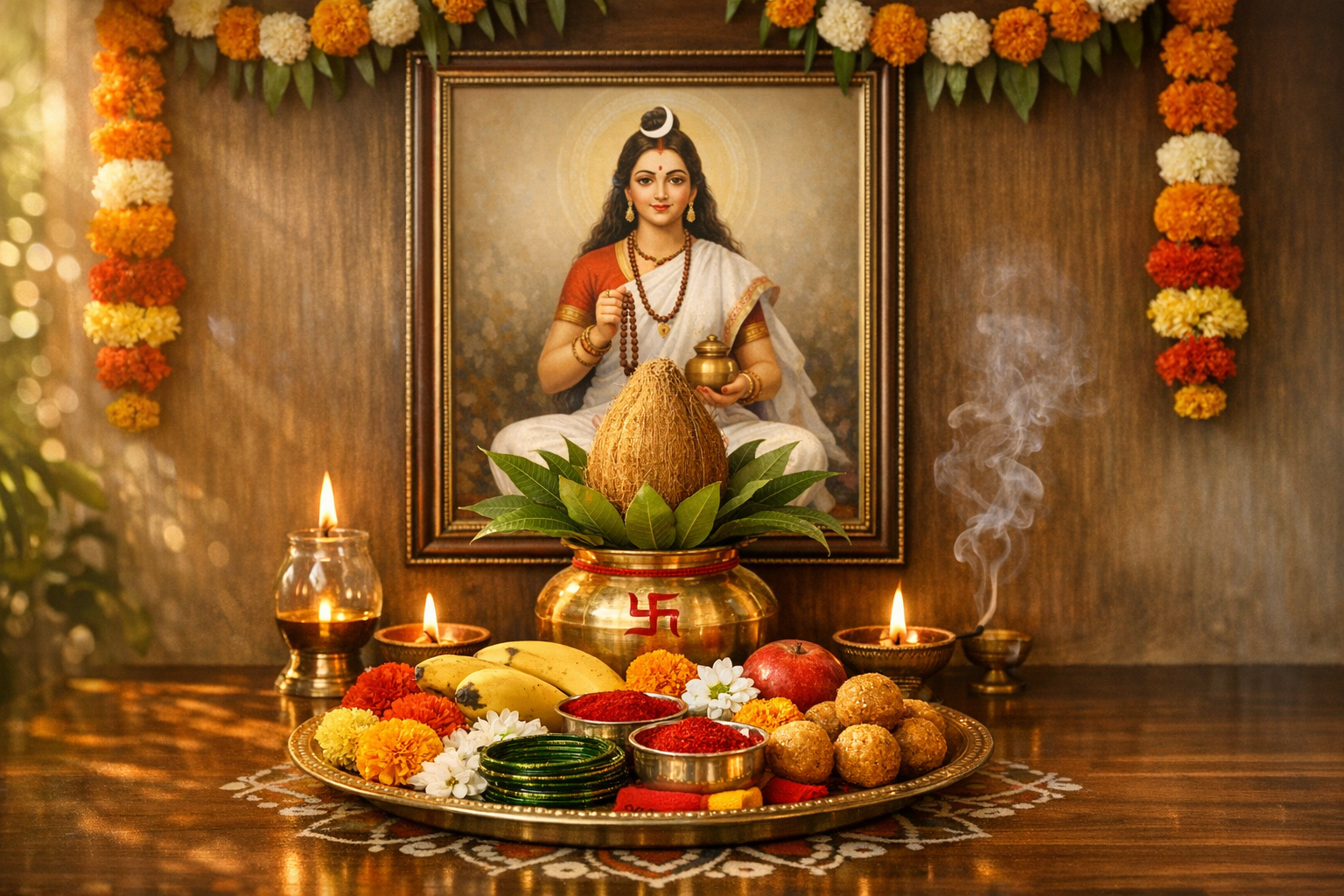
Sindhara Doojalso known regionally as Gauri Dwitiya, Sowbhagya Dooj, or Sindoor Doojmarks the second day of Navratri in both the Vasant (Chaitra) and Sharad (Ashwin) cycles. In 2026, Sindhara Dooj occurs on Friday, March 20 during Chaitra Navratri and on Monday, October 12 during Shardiya Navratri. Across North India, this Dwitiya tithi foregrounds devotion to the Divine Feminine, the ethos of auspiciousness (sowbhagya), and continuity of household harmony within the broader rhythm of Durga Navratri.
While the name varies by region, the thematic core is consistent: honoring Gauri/Parvati in her serene, vow-keeping dimension and seeking blessings for well-being, courage, and familial prosperity. The day sits at the intersection of personal discipline and communal celebration, and its observances often weave together the philosophical remembrance of tapas (austerity) with the warm social exchange of good wishes and offerings.
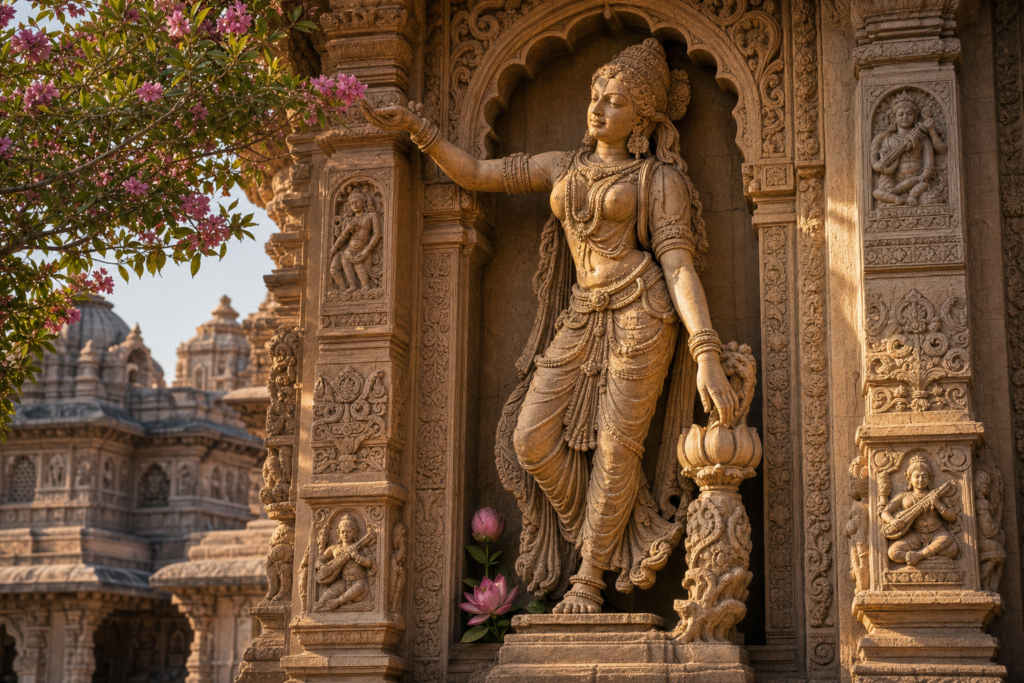
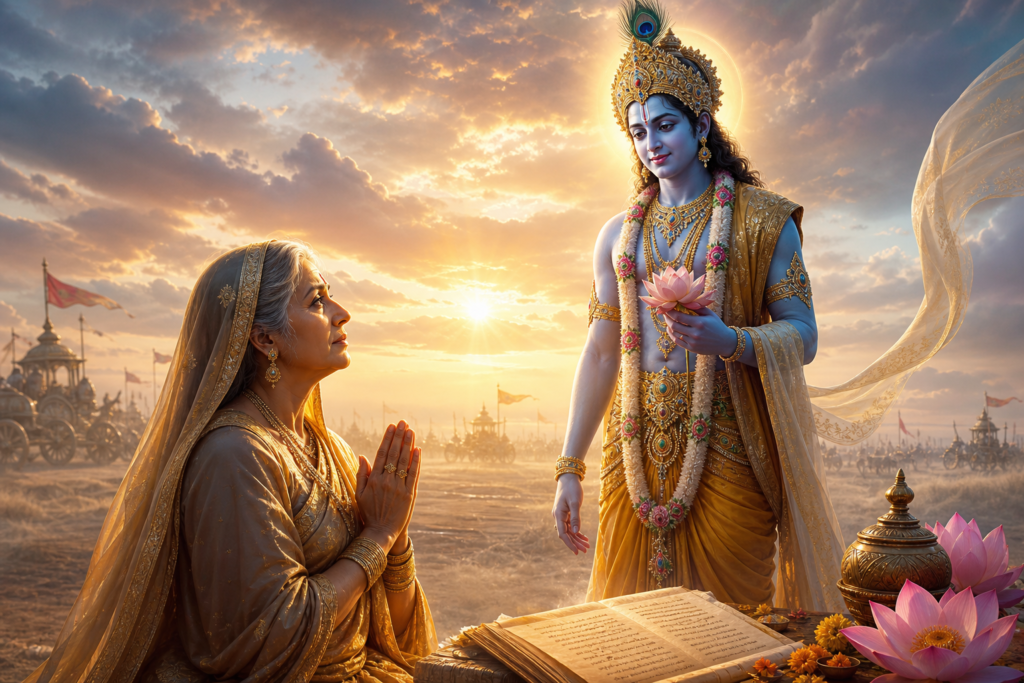
Navratri’s second day is widely associated with the Navadurga form Brahmācharini, the embodiment of steadfast spiritual resolve. This association coexists harmoniously with the Gauri Dwitiya emphasis on marital auspiciousness; together they present a complete idealinner discipline for all devotees and the grace of Gauri that sustains dharmic family life. Thus, Sindhara Dooj in North India naturally honors both the tapas of Brahmācharini and the sowbhagya of Gauri.
From the Panchang perspective, Sindhara Dooj is anchored to Shukla Dwitiyathe second lunar day of the bright fortnightof Chaitra (Vasant Navratri) and Ashwin (Shardiya Navratri). Tithi in the traditional calendar is defined by the relative longitudinal angle between the Sun and Moon; each tithi spans an equal angular increment and can begin or end at any clock time. Festival observance is therefore tied to when Dwitiya actually prevails rather than to a fixed civil date, which explains occasional regional variation.
In 2026, Shukla Dwitiya aligns with March 20 for Chaitra Navratri and October 12 for Sharad Navratri for most of North India. As with all tithi-based festivals, local sunrise and the exact span of Dwitiya in one’s location may influence the preferred puja window. When Dwitiya straddles two solar dates, communities typically prioritize the day on which Dwitiya prevails at sunrise, in keeping with common festival rules in many regional almanacs.
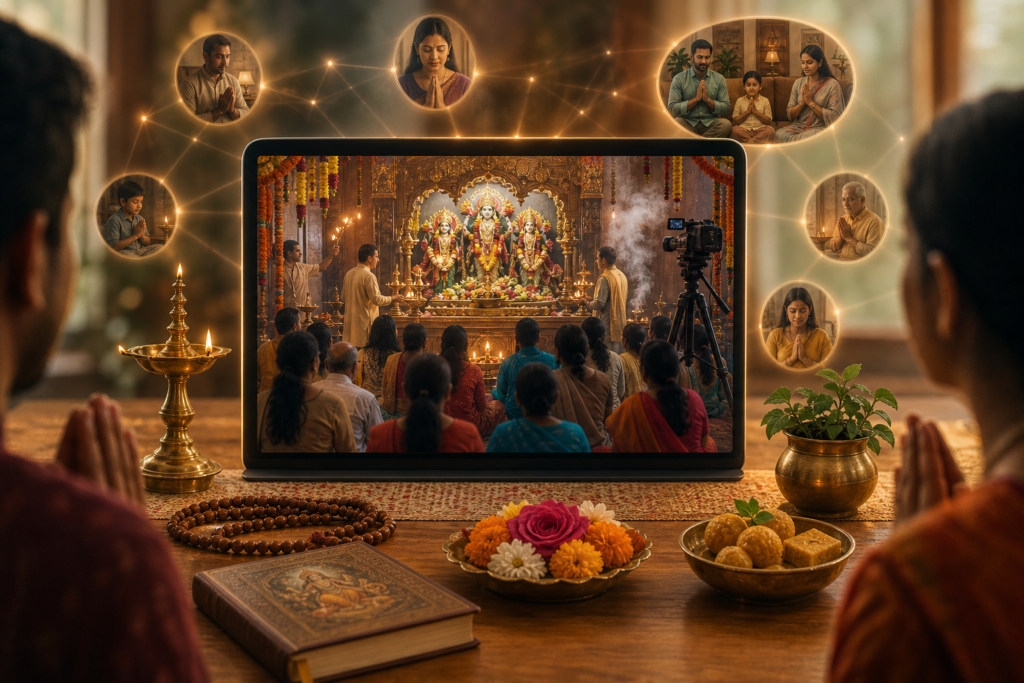
To maintain calendrical precision, devotees and temple committees consult a local Panchang for the Dwitiya window and recommended pratah (morning) or sandhya (evening) puja intervals. This practice is especially relevant for families living outside India, where time zones can shift the tithi boundaries into adjacent civil dates. The principle remains straightforward: prioritize the living tithi, allowing ritual to track the lunar rhythm that underpins Navratri.
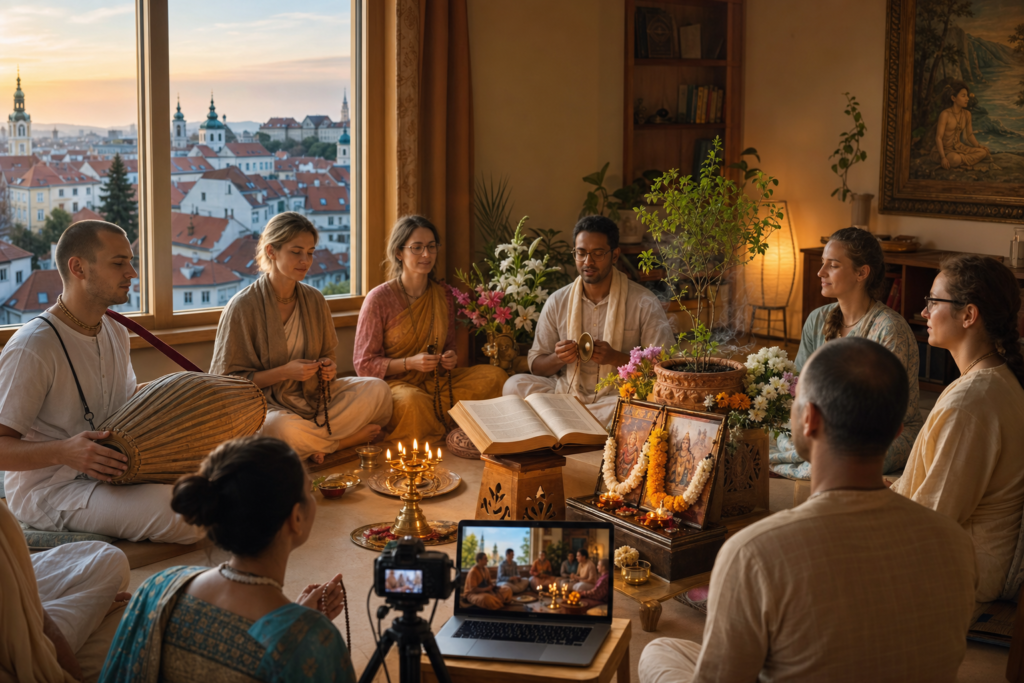
Ritual focus on Sindhara Dooj centers upon Gauri/Parvati and the Brahmācharini ideal. The continuity from Kalasha Sthapana (usually performed on Navratri day one) is maintained with an akhand jyoti (uninterrupted lamp), clean altar space, and a sankalpa (intent) that frames the day’s worship as the cultivation of resilience, auspiciousness, and compassion in personal and family life.
A typical home puja on Dwitiya includes purifying the shrine with water, arranging the kalasha and image or murti of Devi, and offering akshata (uncooked rice), flowers, and incense. Devotees recite hymns such as the Navadurga stotras and repeat the mantra “Om Devi Brahmacharinyai Namah” to invoke the virtues associated with day two. Many offer simple sattvic naivedyafruits, milk preparations, or jaggery-based sweetsmirroring the gentle, sustaining quality traditionally ascribed to Brahmācharini.
The epithet “Sindoor Dooj” or “Sowbhagya Dooj” highlights the ritual centrality of sindoor (vermilion) and suhaag items. In numerous households across Punjab, Haryana, Rajasthan, Himachal Pradesh, and parts of Uttar Pradesh and Delhi, women respectfully offer kumkum or sindoor to the Goddess and exchange auspicious items among family and friends. This exchange symbolizes prayers for prosperity, long life, mutual respect, and the flourishing of shared responsibilities within the grihastha (householder) stage of life.
The term “Sindhara” evokes the custom of sending or sharing gifts and fragrant offerings in parts of North India. On Sindhara Dooj, this tradition takes on a distinctly devotional tonesindoor, bangles, red/yellow cloth, and sweets become embodiments of goodwill and continuity. Even where gifts are modest, the gesture is valued for its intention: affirming bonds that sustain families and communities across generations.
Families often describe Sindhara Dooj as the moment Navratri’s devotional energy becomes palpably intimate. Morning aarti, the soft light of the akhand deepa, and the fragrance of flowers and dhoop create a contemplative ambience in which children learn familial stories of Devi’s courage and compassion. In many neighborhoods, this intimacy extends outward as neighbors exchange prasad, echoing a wider North Indian ethos of shared celebration.
Regional nuances are notable. In Rajasthan and Haryana, the sowbhagya dimension is especially visible in household exchanges; in Punjab and Delhi, community satsangs and collective Devi bhajans are common; and in Uttar Pradesh, Devi temples organize additional evening aartis on Dwitiya. Despite these variations, the ritual grammarGauri worship, sindoor offerings, and Navadurga hymnsremains recognizably consistent.
Himachal Pradesh hosts some of the subcontinent’s most vibrant Navratri celebrations. At Chintpurni (Chintpuri) Temple and Naina Devi Temple, Sindhara Dooj coincides with the early surge of Shardiya Navratri pilgrims. Special aartis, extended darshan hours, and enhanced facilitation for elderly and long-distance yatris typify the day. The sense of spiritual hospitalityseva lines distributing prasad, orderly queues, and devotional singingunderscores why these Shakti peethas hold a cherished place in North Indian Navratri itineraries.
Travelers visiting these Himachali shrines around Sindhara Dooj often plan morning darshan to avoid peak crowds, keep warm layers for hill weather variability, and coordinate transport in advance due to festival traffic. Whether the journey is taken during Vasant or Sharad Navratri, pilgrims note that Dwitiya offers a reflective momentless about spectacle and more about inner steadiness and gratitude.
Vrat (fasting) observances on Sindhara Dooj generally follow the gentler end of Navratri practices: phalahar (fruit-based), milk, or light sattvic meals, with spices and grains moderated according to family tradition. Many homes offer a simple bhogcommonly fruits or jaggery-based preparationsbefore distributing prasad. Acts of dana (charity) on Dwitiya often emphasize essentialsgrains, clothing, or community mealsaligning material generosity with the day’s devotional intent.
Sindhara Dooj carries layered symbolism. Sindoor signifies Shakti’s life-affirming power and the prayer for dignity and mutual care in household life. Brahmācharini’s tapas models self-mastery and constancy for all seekers, irrespective of life stage. Together, these strands encourage a practical synthesis: cultivate inward steadiness and express it outwardly as everyday responsibility, kindness, and reliability.
Because Navratri observances are tithi-driven, devotees regularly reconcile civil scheduling with the lunar clock. In years like 2026when Dwitiya falls neatly on March 20 (Chaitra) and October 12 (Ashwin) for much of North Indiaplanning is straightforward. When Dwitiya straddles dates or crosses sunrise at unusual times, local Panchang guidance safeguards ritual integrity, a practice long embedded in the calendrical traditions of the subcontinent.
In many North Indian localities, Sindhara Dooj also becomes a quiet platform for inter-family reconciliation and community bonding. Exchanging prasad, sharing meals, and visiting elders transform what could be a private ritual into a civic ethic: auspiciousness as shared well-being. Households highlight small, sustainable gesturesmodest offerings, minimal single-use decorthat align devotion with care for the environment and community spaces.
Though Sindhara Dooj is rooted in Hindu worship of Gauri/Parvati and the Navadurga cycle, its social meaning resonates widely across the dharmic spectrum. Communities shaped by Hindu, Buddhist, Jain, and Sikh cultural worlds in North India often participate in the music, seva, and communal goodwill of Navratri. This inclusive spiritrespect for many paths under a shared cultural canopyreinforces the day’s aspiration toward harmony and mutual uplift.
In practical terms, the Dwitiya observance on Navratri day two does not impose a single, uniform template. Rather, it safeguards a coherent frameworkGauri worship, sindoor’s symbolic centrality, Brahmācharini’s mantra and narrativeswithin which families adapt details according to their kulachara (family customs) and regional practices. This balanced fidelity to principle and openness to diversity has preserved the vitality of Sindhara Dooj across centuries.
For students of calendar traditions, Sindhara Dooj is a clear illustration of how tithi-based festivals prioritize the living lunar day. It demonstrates the Panchang method of mapping spiritual time onto daily life, ensuring that devotion travels with the Moon’s phases rather than with arbitrary clock divisions. The outcome is a festival that remains synchronized with nature’s rhythms, which many participants experience as a source of serenity during Navratri’s unfolding.
As Navratri 2026 approaches, communities across North India can look to Sindhara Dooj as an invitation to integrate inner resolve and outward care. The day’s rituals honor Goddess Durga in her aspect as Gauri/Brahmācharini, sustain the bonds of family and neighborhood, and encourage charitable action that benefits all. Observed with attention to the Dwitiya tithi and with respect for local traditions, Sindhara Dooj stands as a luminous moment on Navratri’s pathquiet, steadfast, and deeply auspicious.
Inspired by this post on Hindu Pad.