Shukla Devi Puja (Shukla Devi Aradhana) in 2026 is observed on 22 June, aligning with Jyeshta Shukla Ashtami in the Hindu calendar. The observance venerates the luminous, sattvika dimension of the Divine Mothershukla literally signifying brightness and purityand, in many regions, coincides with the revered Khir Bhavani Mela (also widely spelled Kheer Bhawani Mela) in Kashmir. Together, these practices foreground a pan-Indian Shakta ethos while celebrating a cherished regional tradition of offering kheer to the Goddess.
Calendrically, Ashtami denotes the eighth lunar tithi of the bright fortnight (Shukla Paksha) of the month of Jyeshta. A tithi is a precise lunar phase defined by the angular separation between the Sun and the Moon; Ashtami occurs when this separation reaches 96 degrees. While India employs both Purnimanta (month ends on full moon) and Amanta (month ends on new moon) systems, Jyeshta Shukla Ashtami in 2026 uniformly falls on 22 June across most locations, with minor regional shifts possible based on local sunrise and the exact start–end of the tithi. For temple visits and household puja, practitioners typically privilege the Ashtami that prevails at sunrise in their locale.
For Shukla Devi Aradhana, favored praxis includes beginning japa or dhyana during Brahma Muhurta (pre-dawn), performing the main puja during the day when the Ashtami tithi is operative, and avoiding inauspicious windows such as Rahu Kalam as per the local panchang. Abhijit Muhurta (midday window) is often considered spiritually potent for Sankalpa and key upacharas, though traditions vary; following the lineage-specific vidhi and local temple guidance is recommended.
Within Shakta theology, Shukla Devi is understood as the “luminous” or “benign” manifestation of Shakti. This soteriological nuance complements canonical frameworks such as the Dashamahavidya (the Ten Wisdom Goddesses that encode metaphysical insights) and the Saptamatrikas (Seven Mother goddesses who guard cosmic directions and ethical order). Textual currents from the Devi Mahatmya to the Kalika and Matsya Puranas emphasize that Devi encompasses protective ferocity and nurturing clarity. The shukla orientation foregrounds sattvatranquility, knowledge, and compassiondirecting worship toward purification, right discernment (viveka), and steadfastness on the dharmic path.
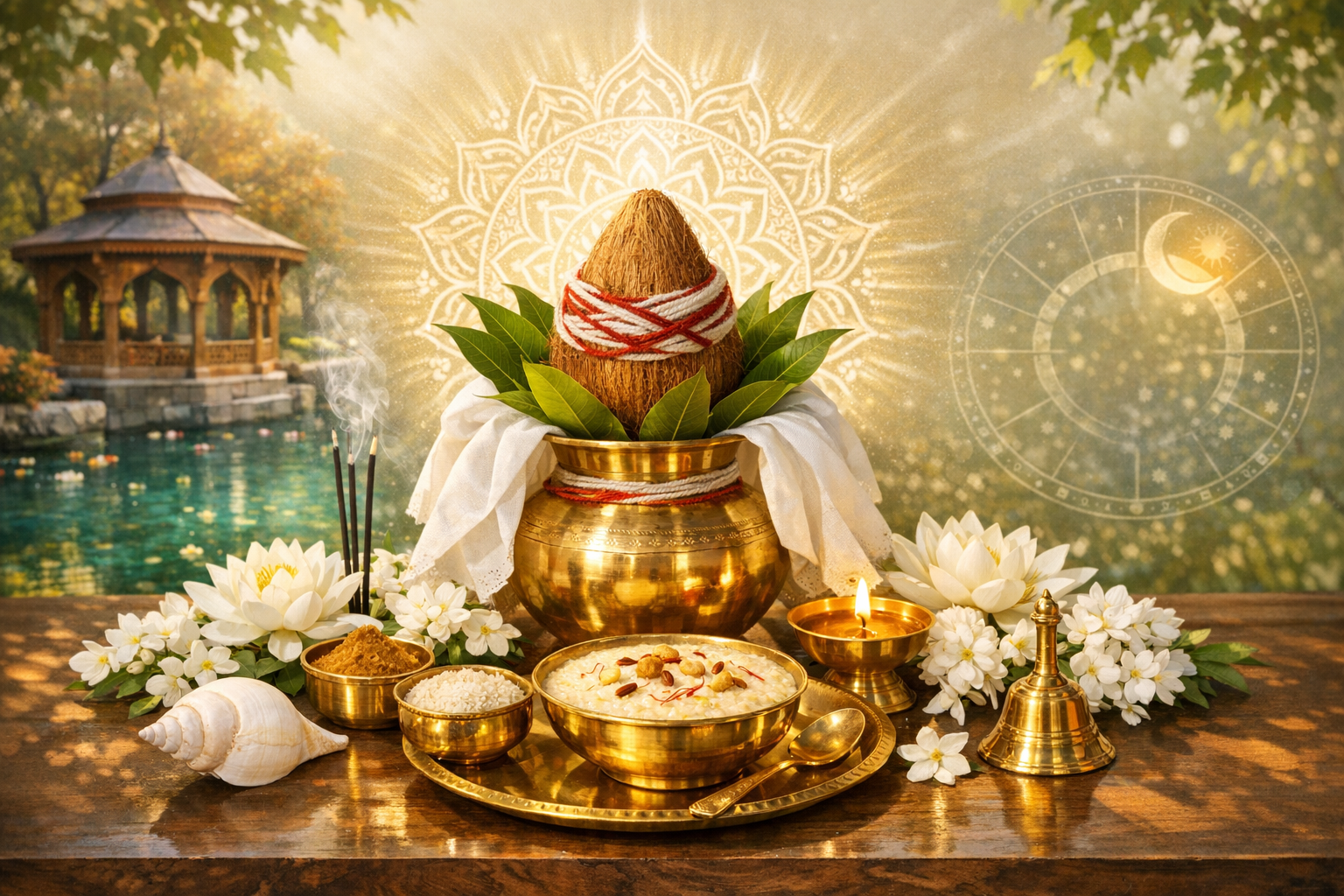
Iconographically and ritually, the “white” attribute (shukla) is expressed through white attire for the murti or kalasha, white flowers such as jasmine, and sattvika naivedya like milk-rice kheer. Many households find that preparing a simple bowl of kheer evokes intergenerational memorysummer Ashtami gatherings, the fragrance of cardamom and saffron, and the gentle rhythm of evening aratithereby transforming doctrinal precepts into living, familial practice.
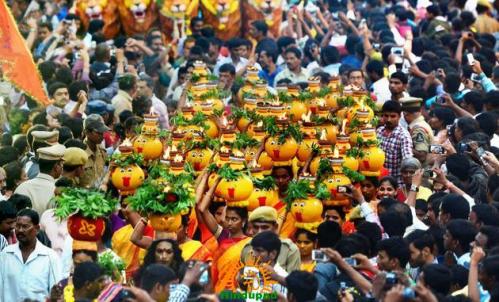
The same day is famed in Kashmir for the Khir Bhavani Mela at Tulmul (Tula Mula), dedicated to Ragnya Bhagwati (Maharagya Devi). Devotees offer kheer as central prasada and gather around the island spring within the shrine complex. The extant shrine structure was commissioned in the early twentieth century by Maharaja Pratap Singh and later associated with Maharaja Hari Singh, while the cult of Ragnya Devi itself is much older in regional memory and practice. Community narratives note a shimmering change in the sheen of the spring’s water over seasons; although devotional lore considers such shifts symbolically meaningful, responsible practice emphasizes prayer, introspection, and service over attempting deterministic omens. The Mela has endured as a symbol of Kashmiri cultural resilience and shared heritage.
At home, a complete Shukla Devi Puja may be performed with kalasha-sthapana or murti-puja following panchopachara or shodashopachara procedures. After purifying the space and oneself (achamana, pranayama), state the Sankalpa aligned to the daye.g., Jyeshta Shukla Ashtamimentioning place and intent. Invoke Ganesha, Guru, and Kula Devata, then consecrate the kalasha (placing mango leaves and a coconut, adorning with red or white thread). Perform avahana of the Goddess into the murti or kalasha, offer gandha (sandal), akshata, pushpa, dhoopa, and deepa, followed by naivedyaideally kheer with fruits and dry nutsconcluding with karpura-arati and stuti. A quiet japa period and pushpanjali seal the worship.
Vrata discipline on this Ashtami is typically sattvika. Some observe a sunrise-to-sunset fast (upavasa) with water and fruits; others keep a phalahara fast or abstain only from grains, onion, and garlic. Ethical vrata observances stress truthfulness, non-injury (ahimsa), and daylong mindfulness. Those with medical needs are advised to adopt a light sattvika diet rather than rigorous fasting.
For mantras and recitations, the Devi Mahatmya’s kavacha–argala–kilaka, Durga Suktam, Sri Suktam, or the seed-syllable based mantra Om Aim Hreem Kleem Chamundayai Vichche are widely employed in Shakta traditions. A classic salutation from the Markandeya corpusया देवी सर्वभूतेषु शक्ति रूपेण संस्थिता, नमस्तस्यै नमस्तस्यै नमस्तस्यै नमो नमःencapsulates the day’s philosophical essence: the Goddess abides in all beings as intrinsic power, worthy of ceaseless reverence.
Astronomically, the Jyeshta month derives its name from the full moon’s proximity to the Jyeshtha nakshatra in the Purnimanta reckoning. In solar terms, the observance typically falls near the June solstice, when the Sun is in Mithuna (Gemini), further aligning the festival with cyclical thresholds of light. The tithi itself is computed by precise solar–lunar longitudes; hence, the operative Ashtami window may differ by country and longitude. When in doubt, local sunrise-based panchang guidance should be followed.
Shukla Devi Aradhana also invites reflection on the shared values that harmonize dharmic traditions. Buddhism venerates the compassionate, liberative energy through forms such as Tārā; Jain practice recognizes protective śāsana-devīs such as Ambikā and Padmāvatī; within Sikh tradition, the chardi kala (ever-rising spirit) and seva (service) emulate divine courage and compassion, and poetic compositions in the Dasam Granth evoke Chandi as an allegory of valor (bir ras). While the metaphysical frameworks differ, there is deep convergence around fearlessness, wisdom, and servicevalues that Shukla Devi worship seeks to awaken in society.
Practical considerations enhance the sanctity of the day. Eco-friendly offerings (local flowers, biodegradable lamps), minimal plastic, and respectful quietude in temples accord with dharmic stewardship of nature. Community servicefood distribution, study circles on Devi Mahatmya, or joint satsangstranslates inner worship (antar-yajna) into outer welfare (loka-sangraha), strengthening bonds across families and communities.
Frequently asked points are straightforward. Shukla Devi is not a separate sectarian deity but an epithet and focus on the Goddess’s luminous sattvika mode, harmonizing with more widely known formsParvati, Durga, Saraswati, Lakshmidepending on local sampradaya. Suitable offerings include white flowers, kheer, coconut, seasonal fruits, and sattvika savouries. If Ashtami does not prevail at sunrise, many traditions defer full puja to the day when it does, using the other day for japa–dhyana and study.
In summary, 22 June 2026 (Jyeshta Shukla Ashtami) offers a clear dharmic pathway: honor the bright, compassionate intelligence of Shakti; align practice with accurate tithi and local muhurta; join shared celebrations such as the Khir Bhavani Mela; and extend the puja’s grace into seva. Observed in this spirit, Shukla Devi Puja nurtures clarity in thought, purity in action, and unity across the broader family of dharmic traditions.
Inspired by this post on Hindu Pad.