-
Shukla Devi Puja 2026: Jyeshta Shukla Ashtami Date, Complete Vidhi, and Deeper Meaning

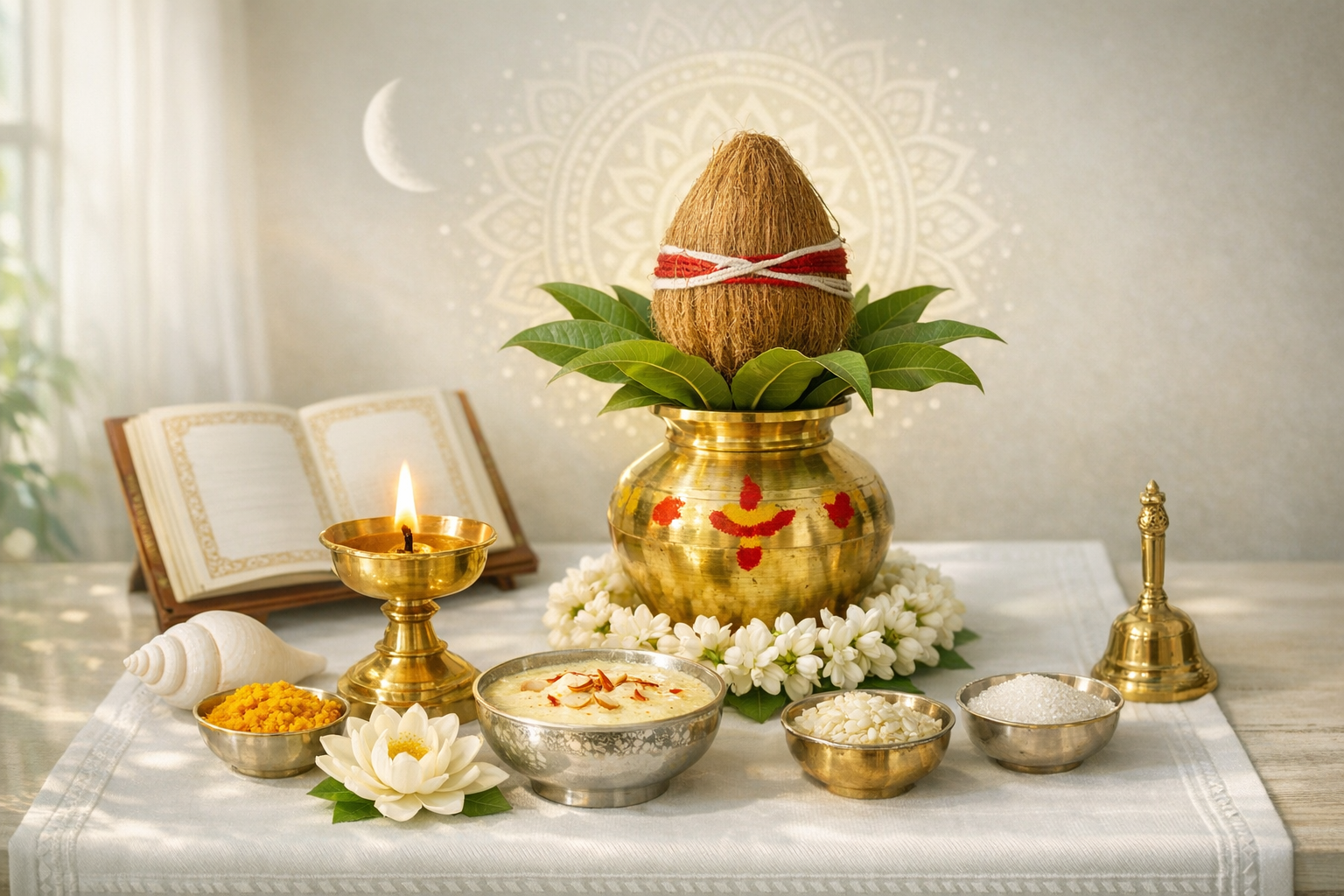
Shukla Devi Puja (Shukla Devi Aradhana) is observed on Jyeshta Shukla Ashtami, and in 2026 this sacred day falls on 22 June in most Indian almanacs. The vrata honors the sattvic radiance of Shukla Devi, integrating Panchopachara or Shodashopachara puja, mindful fasting, and the recitation of Devi stotras. Offerings typically emphasize the Shukla ethos—white flowers,…
-
Shukla Devi Puja 2026 on Jyeshta Shukla Ashtami: Sacred Timings, Kheer Bhavani, Complete Vidhi

Shukla Devi Puja (Shukla Devi Aradhana) in 2026 falls on 22 June, coinciding with Jyeshta Shukla Ashtami in the Hindu calendar. The day venerates the luminous, sattvika dimension of the Divine Mother and aligns with the Khir Bhavani Mela in Kashmir, where devotees traditionally offer kheer. The article explains how Ashtami tithi is computed, why…
-
Protecting India’s Dharma and Sea Lanes: A Clear‑Eyed Look at Iran’s IRGC, Kashmir, and Rights

India’s civilisational ethos of pluralism and Dharmic balance calls for clear judgment in the Persian Gulf and Kashmir. A sober assessment distinguishes Iran’s luminous civilisation from the coercive toolkit of the IRGC, whose actions endanger maritime trade, energy security, and Indian crews. Documented crackdowns on protests and discrimination against Baháʼís challenge any uncritical romanticism of…
-
Kashmir’s ₹500 crore lifeline to Iran: community-driven humanitarianism at unprecedented scale

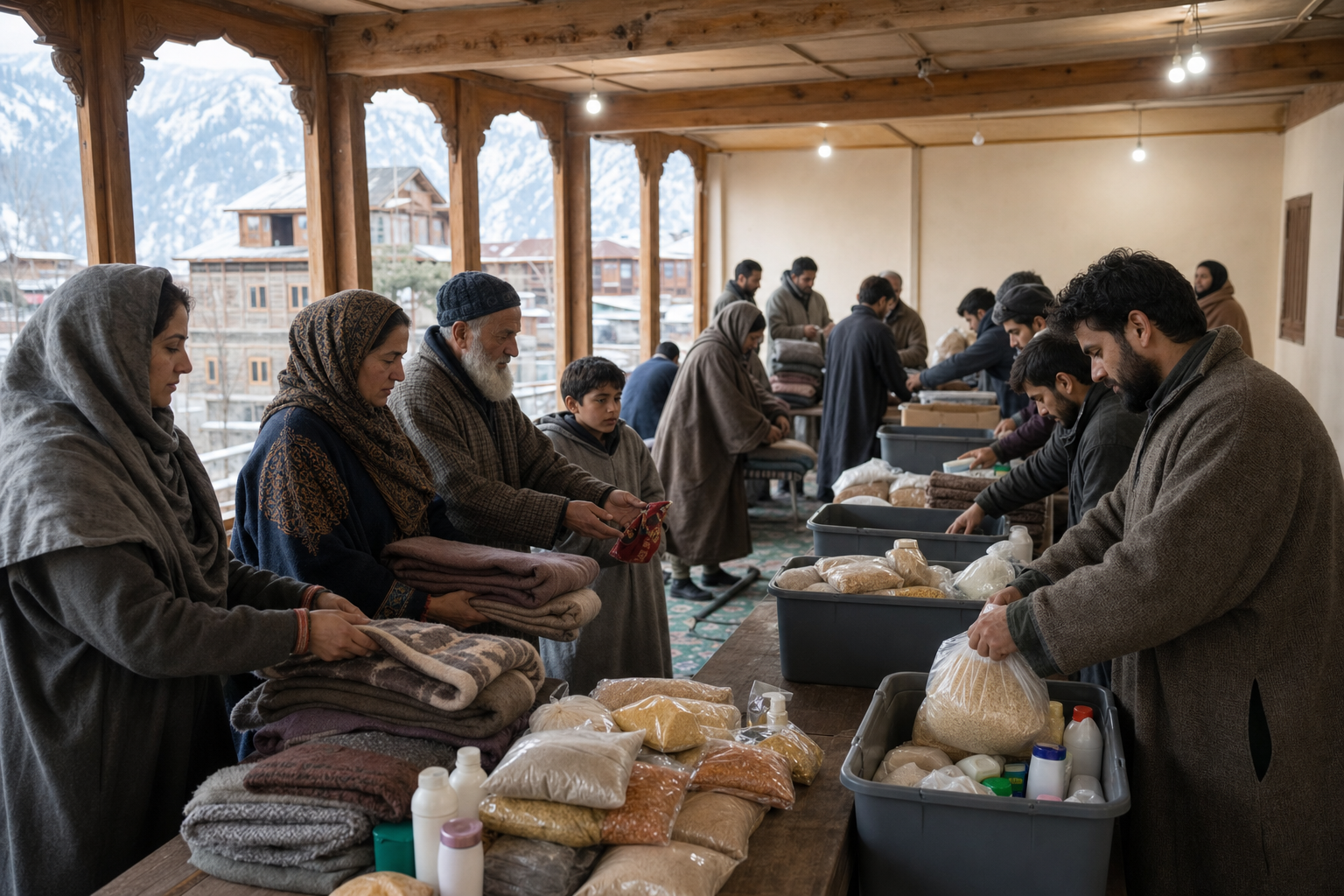
Kashmir’s community networks mobilized more than ₹500 crore (≈ USD 60 million) in humanitarian aid for Iran, combining cash, household gold, and essential items through a region-wide infrastructure of neighborhood collection points and civic associations. The effort reflects a sophisticated blend of moral commitment and logistical discipline, with potential alignment to recognized humanitarian clusters such…
-
NHRC seeks urgent J&K Police report on alleged targeted Hindu killings, demands safeguards

The National Human Rights Commission has sought an urgent report from the Jammu & Kashmir Police on alleged targeted killings of Hindus, placing a premium on timely accountability, survivor support, and due process. This analysis explains what an NHRC “urgent report” entails under the Protection of Human Rights Act, 1993, and how such oversight advances…
-
Chaitra Navratri 2026 in Kashmir: Sacred Navreh Traditions, Dates, and Time‑Honored Rituals

Chaitra Navratri 2026 in Kashmir runs from March 19 to March 27 and opens with Navreh, the Kashmiri Pandit New Year on Chaitra Shukla Pratipada. The festival blends precise Hindu calendar observances with living cultural traditions such as the Navreh thaal and darshan at Sharika Bhagwati on Hari Parbat. Daily worship honors the Navadurga in…
-
Navreh 2026 (Laukika 5102): Sacred Kashmiri New Year Date, Rituals, Meaning, and Unity

Navreh, the Kashmiri Hindu New Year, falls on 19 March 2026 (IST), aligned with Chaitra Shukla Paksha Pratipada and the first day of Chaitra Navratri. The festival inaugurates Laukika (Saptarishi) year 5102 (2026–2027), rooting contemporary practice in an ancient Kashmiri time-reckoning tradition. Observance centers on the Navreh thaal—rice, mirror, flowers, coins, curd, salt, walnuts, a…
-
Thaal Barun before Navreh 2026: A Definitive Guide to Dates, Ritual Steps, and Symbolism

Thaal Barun is the Kashmiri Pandit ritual of arranging a sanctified thali on the night before Navreh, the Kashmiri New Year, to be seen at dawn as an act of conscious, auspicious beginning. For 2026 (IST), Thaal Barun for Sonth is on March 13, Sonth is March 14, and Thaal Barun immediately preceding Navreh is…
-
Sonth (Chaitra Sankranti) 2026: Meaning, Timing, and Rituals for Kashmir’s Spring Renewal

Sonth (Chaitr Sankrat) inaugurates the Chaitra month in the Kashmiri Hindu Saptarshi Panchang and falls on 14 March 2026 in India. This comprehensive guide explains the calendar science behind Chaitra Sankranti, why it occurs in mid-March, and how Sonth relates to the closely following Navreh. It details the dawn thaal tradition—curating grains, dairy, a coin,…
-
Herath 2026: Kashmiri Pandits’ Shivaratri on Trayodashi—Date, Ritual Science, and Living Heritage

Herath—Shivaratri as preserved by Kashmiri Pandits—will be observed on 15 February 2026, in accordance with the rule that the tithi present at Nishita Kaal (midnight) governs the vrata. Unlike the pan-Indian practice on Chaturdashi, Herath follows Trayodashi when Chaturdashi does not prevail at Nishita, a principle attested in classical dharma digests. The article explains this…
-
Kshemaraja of Kashmir Shaivism: Timeless Nondual Wisdom, Practice, and Dharmic Harmony

Kshemaraja, the eminent disciple of Abhinavagupta, distilled Kashmir Shaivism’s non-dual insights into lucid, practice-ready guidance. Core texts—Pratyabhijñāhṛdayam, Spandanirṇaya, Spandasandoha, and Śiva Sūtra Vimarśinī—bridge rigorous Indian philosophy and accessible methods. Readers gain a clear map of upāyas to steady attention, reduce stress, and cultivate compassion. Everyday beauty and stillness become gateways to recognition (pratyabhijñā) through the…
-
Navreh Mavas: Sacred Eve of Navreh in Kashmir—Date (2026), Meaning, and Traditions

Navreh Mavas, observed primarily by Kashmiri Pandits, is the reflective eve of Navreh—the Kashmiri New Year—falling on the last day of the Saptarshi Panchang (Kashmiri Hindu Calendar). In 2026, it will be observed on March 18, the Amavasya that precedes Chaitra Shukla Pratipada. The day emphasizes inward reflection, gentle lamp-lighting, and remembrance of ancestors, echoing…
-
Navreh Mavas 2026: Sacred Chaitra Amavasya in Kashmir and the Dawn of Navreh

Navreh Mavas marks the final day of the Hindu year in the Saptarshi Panchang and, in 2026, occurs on March 18. Observed chiefly by Kashmiri Pandits, it aligns with Chaitra Amavasya and precedes Navreh, the Kashmiri New Year on Chaitra Shukla Pratipada. The day emphasizes reflection, remembrance, and quiet preparation for auspicious beginnings. Many households…
-
Global Signature Drive for Kashmiri Hindus: Justice, Homeland Restoration, Time‑Bound Action

A global mass signature appeal led by Youth for Panun Kashmir calls for parliamentary recognition of the Kashmiri Hindu genocide, the establishment of Panun Kashmir as a secure homeland, comprehensive rehabilitation with dignity, and a time-bound implementation commitment from the Government of India. The initiative situates justice within India’s constitutional framework and emphasizes civilisational justice…
-
Thirteen Radiant Forms of Goddess Kali in Tantraloka: Abhinava Gupta’s Kashmiri Vision

This exploration presents the thirteen forms of Goddess Kali in Abhinava Gupta’s Tantraloka as a living contemplative map within Kashmir Shaivism. Rather than a fixed list, these forms serve as dynamic lenses that refine attention, transmute fear, and reveal the liberating vastness of Shakti. The discussion situates Kali within Trika and Kaula streams while acknowledging…
-
Panun Kashmir Webinar Ignites Collective Vow for Kashmiri Hindu Unity and Dharmic Solidarity

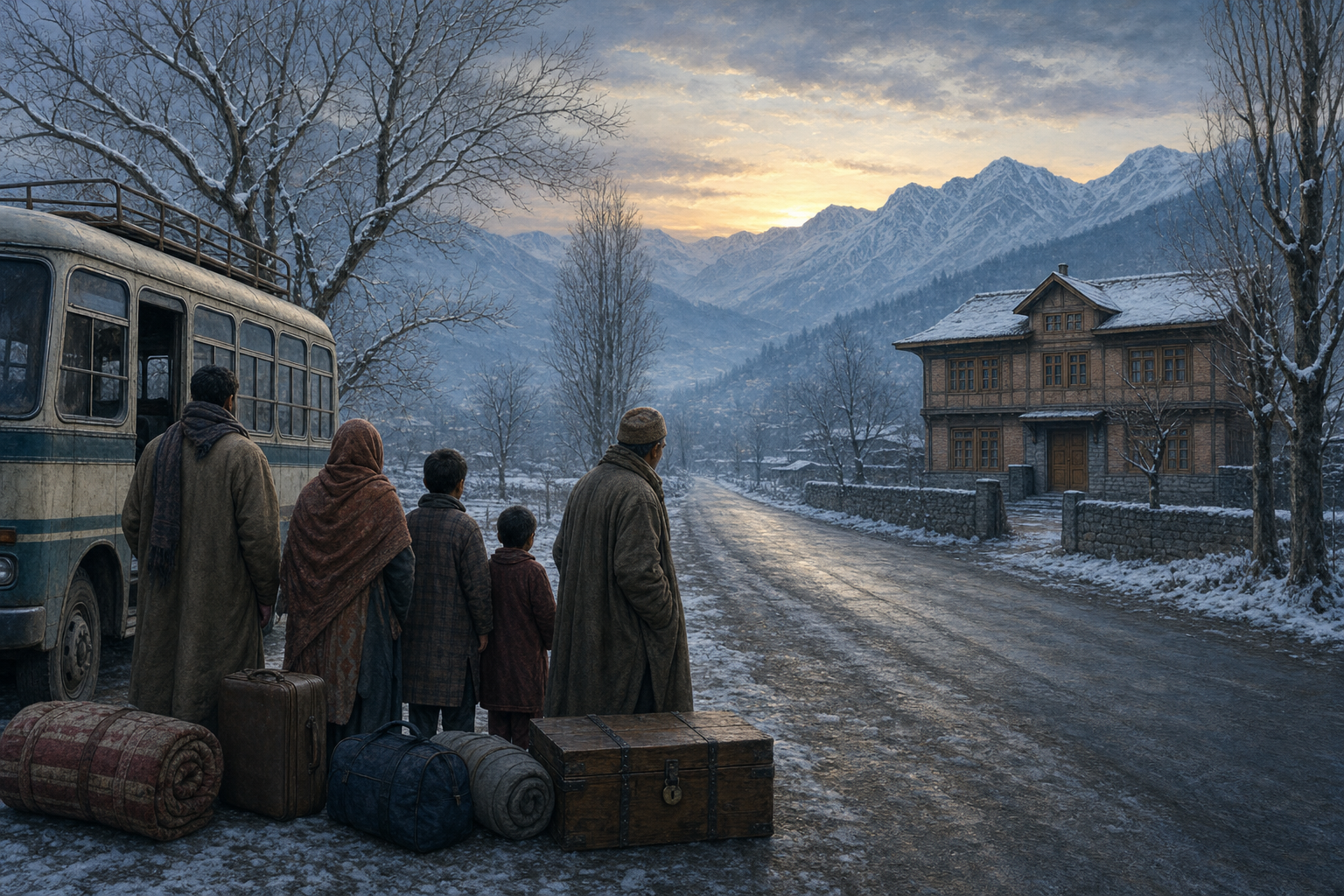
A national webinar by ‘Panun Kashmir’ convened the displaced Kashmiri Hindu diaspora to reaffirm unity, clarify priorities, and chart a practical roadmap for cultural continuity and dignified futures. The discussion emphasized data-driven planning, youth mentorship, and heritage preservation alongside psychosocial support. Testimonies translated emotional resolve into actionable community care. Digital networks were identified as crucial…
-
Oxford Union Shockwave: Indian Student Challenges Pakistan’s Kashmir Narrative with History

An Oxford Union exchange featuring Indian student Kautilya Pandit has reignited debate on Kashmir’s demography by foregrounding the exodus of Kashmiri Pandits and the loss of cultural memory. Anchoring his remarks in historical episodes—particularly the 1971 Liberation War and the surrender of 93,000 Pakistani soldiers—he pressed for accountability in India–Pakistan relations. His critique of civil–military…
-
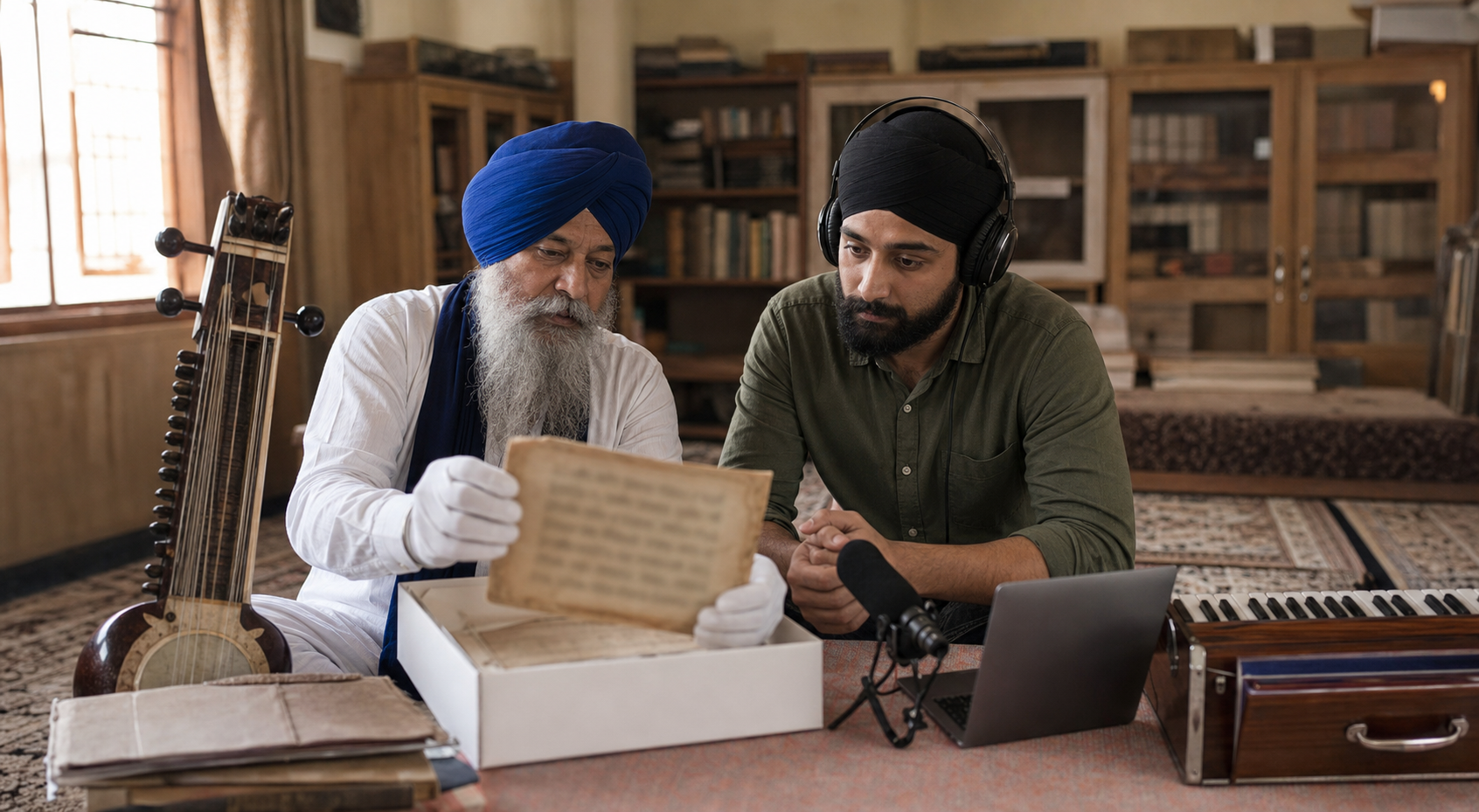
Unseen in the Valley: Powerful Insights into Reclaiming Sikh Identity in Kashmir

Unseen in the Valley offers a nuanced, evidence-aware reading of Sikh identity in Kashmir that foregrounds memory, community practice, and cultural resilience. The book positions Sikhs as integral to the Valley’s plural history while advocating interfaith relations rooted in reciprocity. It emphasizes heritage preservation through language, ritual, seva, and education. The analysis resists polarizing frames…
-
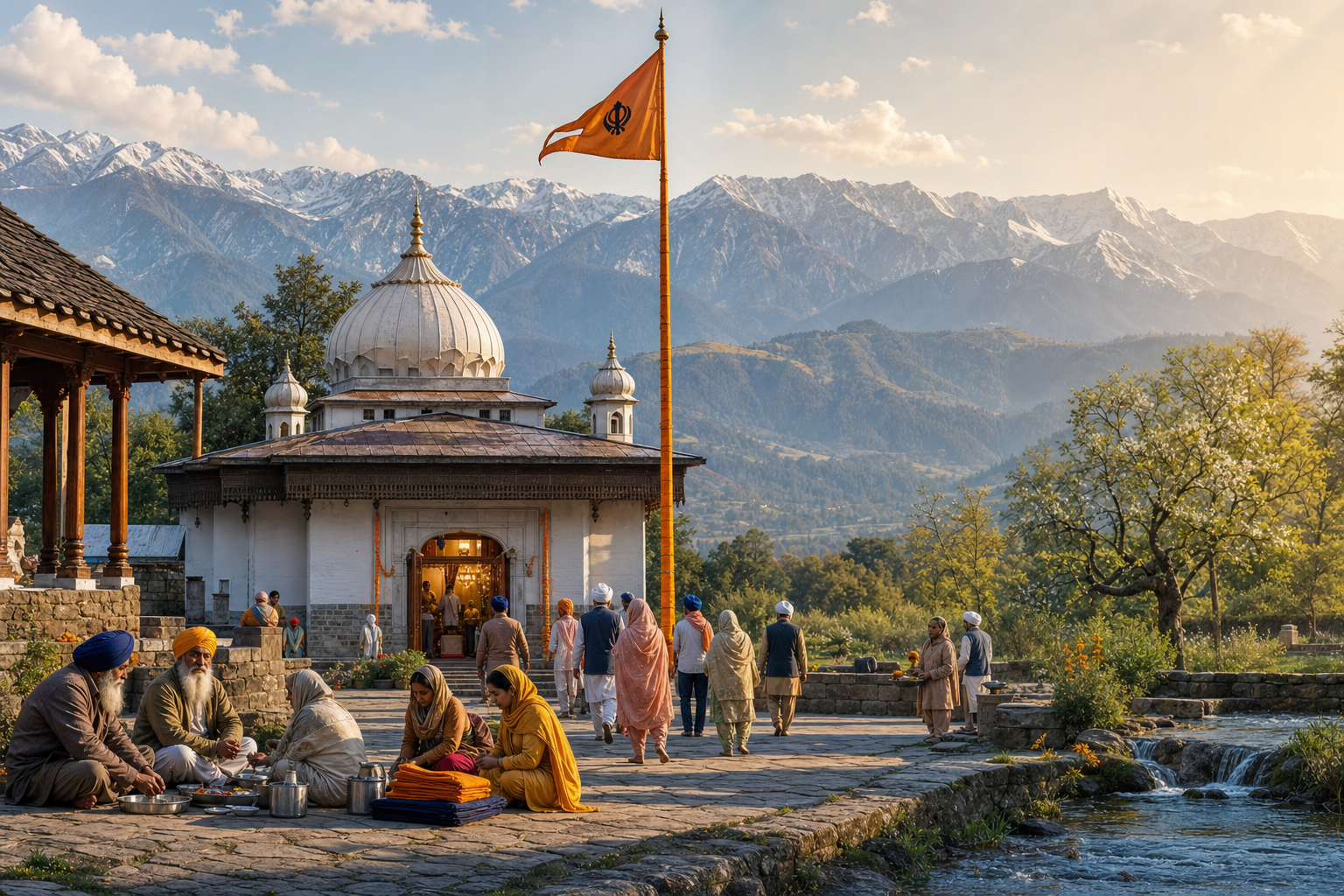
Bhai Kirpa Singh of Mattan: Courage, Devotion, and Guru Tegh Bahadur’s Legacy of Freedom

Bhai Kirpa Singh of Mattan, Kashmir, is remembered as a devoted Sikh of Guru Tegh Bahadur whose life bridged Kashmiri heritage and Sikh courage. His association with the Kashmiri Pandits’ appeal at Anandpur Sahib in 1675 highlights a landmark moment for religious freedom under Mughal rule. Guru Tegh Bahadur’s martyrdom, undertaken for universal liberty of…
-
Maha Abhiyan Avhan 2026: A Defining Push for Dignified Kashmiri Hindu Rehabilitation
‘Youth for Panun Kashmir’ will launch ‘Maha Abhiyan Avhan 2026’ on 16 January 2026, marking a focused advance in Kashmiri Hindu rehabilitation. The initiative emphasizes dignified return and resettlement in Jammu and Kashmir, highlighting security, livelihoods, education, and cultural continuity. By centering youth leadership and community engagement, it aims to transform aspirations into measurable progress.…