Mohini Ekadashi is observed on the Shukla Paksha Ekadashi (the eleventh lunar day of the bright fortnight) in the Vaishakh month across the Hindu lunar calendars used in North and South India (Telugu, Kannada, Gujarati, Marathi, and North Indian Hindi traditions). In the Tamil solar-lunar reckoning it generally falls across Chithirai Masam – Vaigasi Masam, in the Malayalam system across Meda Masam – Edava Masam, and in the eastern tradition during Baisakh. Falling typically in April–May by the Gregorian calendar, its observance unites devotees through shared discipline, devotion, and remembrance of Vishnu’s grace.
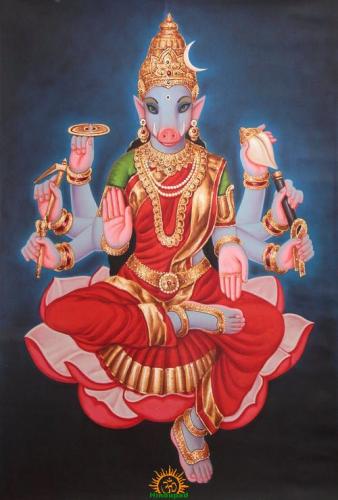
The name “Mohini” evokes the enchanting avatara of Vishnu who, during the Samudra Manthana (Churning of the Ocean), distributed amrita to the devas and dispelled confusion. Scripturally, the vrata is praised as a vow that removes moha (delusion), clarifies discernment, and restores dharmic balance. In keeping with this theological motif, Mohini Ekadashi is approached as a practice for dissolving inner bewilderment and cultivating sattva (clarity, steadiness, and compassion).
Purana narratives provide the foundation for this observance. In the Ekadashi-mahatmya sections of texts such as the Kurma Purana and allied Vaishnava compendia, the importance of the Vaishakh Shukla Ekadashi is taught through dialogue, typically between a king and a sage or between Yudhisthira and Sri Krishna. These passages emphasize that sincere fasting (upavasa), worship of Vishnu, and compassionate acts performed on this date yield purification and a steady mind devoted to dharma.
The kalendaric determination follows orthodox panchanga rules. Mohini Ekadashi is fixed by the presence of Ekadashi tithi at local sunrise. If Ekadashi is “viddha” (contaminated) by the Dashami tithi at sunrise, observance may shift according to Smarta and Vaishnava guidelines to ensure ritual purity. The fast is broken (parana) on Dwadashi, strictly within the prescribed window and after the conclusion of Hari Vasara (the first quarter of Dwadashi), in accordance with dharmashastra practice.
For those using regional calendars: Telugu, Kannada, Gujarati, Marathi, and North Indian (Purnimanta/Amanta) systems consistently mark the Vaishakh Shukla Ekadashi; Tamil observance may fall in Chithirai Masam – Vaigasi Masam; Malayalam in Meda Masam – Edava Masam; and Bengali in Baisakh. Because lunar tithis depend on longitude and local sunrise, practitioners are advised to consult a reliable regional panchang for precise start, end, and parana times.
Preparation typically begins on Dashami (the day before). A sattvic regimenlight vegetarian food, truthfulness in speech, control of the senses, and abstention from intoxicantssets the foundation. Many follow ekabhukta (one simple meal before sunset) on Dashami and avoid beans, lentils, and grains in preparation for the fast, in line with traditional vrata guidelines preserved in smriti literature.
On Ekadashi, the vrata is undertaken with a sankalpa, stating place, date, and intention (chitta-shuddhi and devotion to Vishnu). Ritual worship may include panchopachara or shodashopachara puja to Vishnu or a home altar, offering tulasi leaves, incense, a lamp, fruits, and sattvic naivedya prepared without grains. Recitations such as the Vishnu Sahasranama, select chapters from the Bhagavad-Gita, or hymns from the Bhagavata Purana are traditional and accessible.
Fasting modes vary based on health and tradition: nirjala (no water), sajala (with water), or phalahara (fruits, milk). Vaishnavas often observe a strict anaprashana rule (avoiding all grains) on Ekadashi, a practice also adopted by many Smarta households. Night vigil (jagarana) through kirtana, japa, or study of sacred texts is praised in the phala-shruti sections as a means to deepen recollection and steady the mind.
Dwadashi parana is essential. Classical guidance instructs devotees to break the fast within the parana window, not during Hari Vasara. Simple, easily digestible food is favored. Charitable giving (anna-dana, vastra-dana) and feeding cows and guests are commended expressions of gratitude that embody the social ethic embedded in Ekadashi observances.
The revered Mohini Ekadashi Vrat Katha, preserved in Ekadashi-mahatmya traditions, recounts life in the city of Bhadravati, where a wealthy merchant named Dhanapala had a wayward son, Dhrishtabuddhi. Led astray by indulgence and transgression, Dhrishtabuddhi fell into hardship and was eventually cast out. Wandering in remorse, he encountered the sage Kaundinya on the bank of the sacred river. A drop of water that had washed the sage’s vesselwater sanctified by the observance of Mohini Ekadashitouched him. Experiencing an inner stirring, he sought instruction, observed Mohini Ekadashi with devotion and discipline, and, as the story affirms, was released from the burden of prior misdeeds, progressing toward a blessed state.
In this narrative, the symbol of “Mohini” reveals a psychological and spiritual truth: delusion (moha) enthralls when the senses run ungoverned, but discernment returns when remembrance (smarana), self-restraint, and service (seva) are restored. As Mohini distributes amrita in the mythic drama, so too the vrata distributes clarity to the practitionerreordering attention from the fleeting to the eternal, from agitation to abiding presence.
From a dharmic perspective, Ekadashi integrates tapas (discipline), ahimsa (non-harm through restrained diet), and dana (charity). Its inner method aligns with the broader Indic ethos shared across Hinduism, Buddhism, Jainism, and Sikhism: cultivating ethical self-mastery, compassion, and meditative awareness. While Mohini Ekadashi is a Vaishnava sacred day, its core valuessimplicity, introspection, and serviceresonate with uposatha/posadha day disciplines in other dharmic paths and can be appreciated as part of a common civilizational pursuit of inner freedom and social harmony.
Regional observances are diverse. In Vaishnava temples (for example, in Vrindavan, Puri, and major kshetras in South India), devotees gather for sankirtan and special pujas, with tulasi archana and Vishnu Sahasranama parayana emphasized. Households maintain home altars, light a lamp for the entire night where possible, and engage in scriptural listening (sravana) of the Mohini Ekadashi Vrat Katha, ensuring the story’s ethical message is transmitted across generations.
Key guidelines observed widely include: avoiding grains, beans, and certain pulses on Ekadashi; choosing sattvic preparations if not fully fasting; practicing truthfulness and restraint of speech; refraining from anger and gossip; engaging in japa (such as the names of Sri Krishna or Sri Rama); and allotting time for quiet meditation. Those with medical conditions, pregnant practitioners, or the elderly are advised to adapt the fast (phalahara or light meals) responsibly while preserving the spirit of the vow.
When parana is missed inadvertently, traditional counsel recommends completing the fast as soon as possible within Dwadashi and redoubling attention to charity and remembrance. The vrata is understood not as an occasion for self-reproach but as a steady training of body-mind-heart; sincerity and continuity carry more transformative power than severity alone.
From a philosophical lens, Mohini Ekadashi operates as an intentional reset: by limiting sensory intake (ahara, nidra, and outward engagements), the practitioner reclaims attentional sovereignty and purifies the citta (mental field). That purification is not escapist; rather, it equips householders and renunciants alike for wiser action (karma) in the world. In this way, the vrata aligns with the dharmic principle of loka-sangrahaupholding social cohesion through personal integrity.
Across communities, testimonies frequently mention clearer attention the following days, lighter bodily feeling, and a renewed disposition toward compassion. Families often share simple fruits after parana, read a verse or two from the Bhagavata Purana or Bhagavad-Gita, and plan small acts of servicereaffirming the vrata’s blend of interiority and outward responsibility.
In summary, Mohini Ekadashi fuses mythic insight and practical discipline. It is calendrically precise (Vaishakh Shukla Ekadashi, parana on Dwadashi), ritually clear (Vishnu puja with tulasi, japa, jagarana), narratively compelling (the reformation of Dhrishtabuddhi through the grace of sacred observance), and ethically expansive (charity and forbearance). By centering the dispelling of moha, the vrata renders the perennial message of the Puranas contemporary: discernment, compassion, and steady remembrance are the highest restoratives.
As with all sacred disciplines, fidelity to local panchanga timings, guidance from one’s family tradition (parampara), and attention to health ensure both correctness and sustainability. Practiced in this spirit, Mohini Ekadashi strengthens unity within the vast tapestry of Sanatana Dharma and invites all dharmic communities to recognize shared aspirations for inner clarity and collective well-being.
Inspired by this post on Hindu Pad.