Maha Vishuba Sankranti 2026 falls on April 14, 2026. Also known as Mesha Sankranti, Mesha Sankramana, and Vishuva Sankranti, this day inaugurates the Odia New Year and is popularly called Pana Sankranti across Odisha. The observance coincides with the Sun’s transition into Mesha rashi (Aries) in the sidereal zodiac, aligning cultural renewal with a precise astronomical threshold.
In the Indian calendrical tradition, Sankranti denotes the Sun’s ingress from one sidereal sign to the next. Mesha Sankranti marks the opening of the solar year in many regional almanacs, including the Utkaliya Panji used in Odisha. This sidereal framework, central to traditional jyotisha, governs the calculation of solar months and ritual timings.
The term Vishuva echoes the notion of balance historically associated with the equinox. Due to the precession of the equinoxes (ayanamsha), the sidereal zero point of Aries now arises in mid-April rather than on the equinox itself. The result is a stable civilizational rhythm where the Odia New Year reliably occurs around April 14, even as exact ingress times vary slightly by location and panchang method.
Ritually, the Sankranti moment carries special merit called Punya Kala. Traditional guidance emphasizes snana (ritual bath), arghya to Surya, japa, and dana during daylight on the day of Mesha Sankranti. Because the exact ingress time differs by longitude and the ayanamsha adopted, local panchang consultation remains the best practice for household precision.
For households across Odisha, the day embodies renewal, service, and shared wellbeing. Families clean domestic shrines, take vows for steady self-cultivation through the year, and emphasize compassion-driven acts in the peak heat of Chaitra. The Odia New Year thus begins with both auspicious symbolism and tangible public good.
The signature observance is the preparation and sharing of pana, especially bela pana made from wood-apple (bael) pulp blended with water or milk, curd, jaggery, black pepper, banana, and fragrant cardamom. Many families install a small clay pot called the Basudhara theki, pierced with a tiny hole so that water drips continuously as an offering to the Earth (Basudhara) and for thirsty travelers. This hydration-centered dana reflects the ecological ethic woven into Odia ritual life.
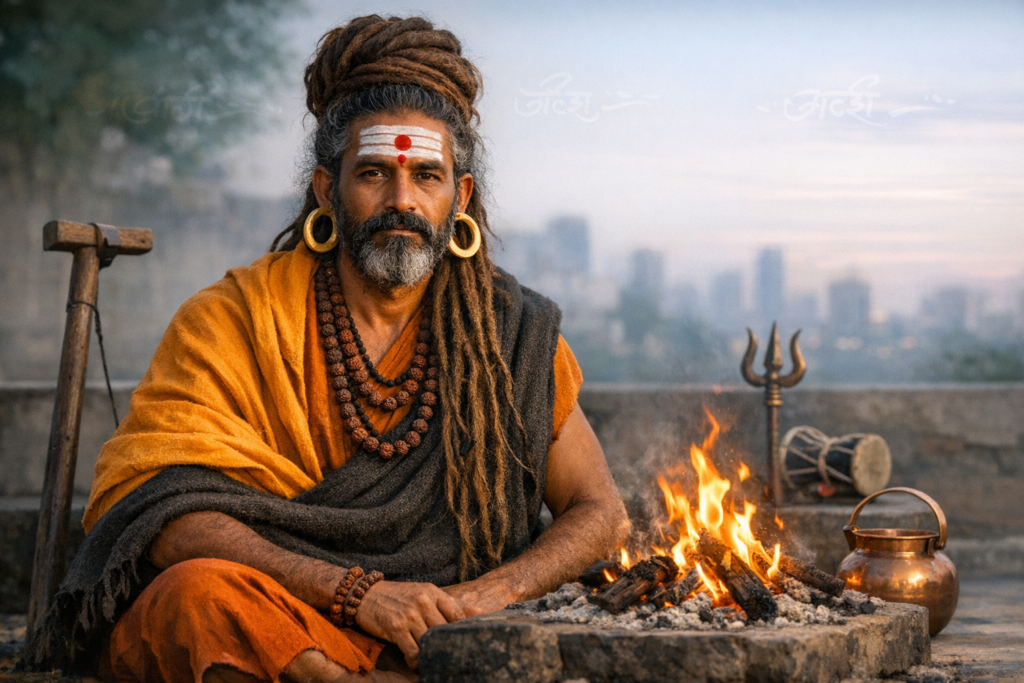
Customarily, devotees rise early for snana, offer arghya to Surya facing the east, chant stotras, and undertake dana of water, buttermilk, jaggery, and seasonal fruits. Temples and community groups set up paniya stands for free drinking water, aligning with the Sankranti emphasis on kindness and relief during the hot season.
Performance traditions culminate around this day. In southern Odisha, Danda Nata or Danda Jatra, an ancient shaiva-shakta austerity-theatre, reaches its finale, emphasizing tapas, discipline, and social harmony. Coastal regions observe Meru Yatra and Chaiti Ghoda processions, while fire-walking rites such as Jhamu Jatra associated with village goddesses appear in select locales. Each practice encodes a shared vocabulary of courage, restraint, and collective welfare.
In Odisha, Hanuman Jayanti is customarily observed on Maha Vishuba Sankranti, integrating Rama-bhakti with the New Year’s renewal. Devotees offer special prayers to Mahavir, seeking bala (strength), buddhi (discernment), and dhairya (fortitude) for the year ahead.
At Puri’s Jagannath Temple, darshan on this day is sought by many Odias and visitors. Although temple liturgies follow their own detailed nityaseva schedule, the spirit of Pana Sankranti is mirrored in widespread anna-dana and water distribution across pilgrim routes. The festive arc soon leads into Akshaya Tritiya and Chandan Yatra, further amplifying themes of renewal and service.
Maha Vishuba Sankranti belongs to a larger civilizational cadence that greets the Sun’s entry into Mesha. On the same date, Kerala observes Vishu, Tamil Nadu welcomes Chithirai with Puthandu, Punjab marks Vaisakhi, Assam celebrates Rongali Bihu, and Bengal and Bangladesh greet a New Year, underscoring a shared seasonal grammar that binds communities across languages and regions.
The mid-April solar threshold also nurtures interrelated observances among dharmic traditions. Vaisakhi holds singular importance in Sikh memory for the formal inauguration of the Khalsa in 1699. In many Theravada Buddhist communities across South and Southeast Asia, the New Year is traditionally kept in mid-April. Jain calendars often celebrate Mahavir Jayanti around the Chaitra fortnight near this period. Together, these observances affirm a common ethic of self-cultivation, seva, and compassion at the turn of the season.
Etymologically, the word Sankranti derives from sam plus krama (a step or transition), while Mesha denotes the Ram in the sidereal zodiac. Indian almanacs compute the exact ingress using a chosen ayanamsha, commonly Lahiri, yielding minor differences in timings across panchangams. For households, the practical implication is clear: perform the core duties of snana, japa, and dana during April 14, while consulting a trusted local panchang for the precise Sankranti moment and Punya Kala.
A simple, meaningful home observance centers on purity, restraint, and generosity. After an early bath, offer arghya to Surya, light a lamp, and recite Surya, Jagannath, or Hanuman stotras. Prepare bela pana or a regional variant of pana with clean water, milk or curd, jaggery, and seasonal fruits, and share it with family, neighbors, and passersby. Where possible, set up a Basudhara theki or contribute to community water counters to relieve the heat for all, regardless of background.
Traditional pana is seasonally intelligent: bael is cooling and digestive; black pepper aids bioavailability; and jaggery replenishes minerals lost to heat. Such culinary wisdom anchors health in ritual, ensuring that auspiciousness and well-being are not segregated but mutually reinforcing, an enduring feature of Odia New Year customs.
Maha Vishuba Sankranti lends itself to practical ecology. Water stewardship, tree shade, and community hydration rest points translate spiritual aspiration into measurable public good. Small acts, such as stainless-steel tumblers at water stands, avoiding single-use plastics, and sourcing local fruits, scale into a culture of care aligned with the festival’s dana-dharma.
Odisha’s performance heritage, including Danda Nata, Chaiti Ghoda, and allied village rites, encodes ethical commentary through movement, percussion, and vow-taking. The aesthetics of discipline, collective rhythm, and cooperation make the New Year a living classroom for youth, reinforcing respect for elders, responsibility, and teamwork.
Odia communities worldwide increasingly recreate Pana Sankranti in association halls and temples, offering bela pana, organizing cultural programs, and conducting charity drives. This portability of practice, rooted in core principles rather than rigid form, keeps the observance robust across geographies and generations.
In 2026, Maha Vishuba Sankranti on April 14 closely follows the close of the lunar Chaitra cycle and sits near other spring observances such as Chaitra Navratri and Sri Rama Navami, depending on the local lunar calendar. The month that opens on Mesha Sankranti is variously called Vaishakha or Baishakh in many Indian traditions, aligning the Odia New Year with the wider solar New Year family.
New Year resolve or sankalpa on this day often focuses on daily japa, mindful speech, and steady service. Even modest, repeatable commitments, such as weekly participation in a water stand or reading a chapter of the Bhagavad Gita, create momentum that outlasts festive exuberance and builds character across the year.
Practically, three anchors keep the observance grounded in 2026: recognize April 14 as the Odia New Year under the sidereal system; prioritize Punya Kala acts such as snana, japa, and dana; and nurture goodwill within the dharmic family by acknowledging synchronous observances such as Vishu, Puthandu, Vaisakhi, and Rongali Bihu. Consulting a trusted panchang for local timings ensures ritual precision without losing sight of the larger ethical canvas.
Maha Vishuba Sankranti 2026 thus weaves astronomy, calendar science, health, ecology, and shared heritage into a single celebratory moment. By honoring Surya’s Mesha ingress, sharing cooling pana, sustaining community water, and extending goodwill across Hindu, Buddhist, Jain, and Sikh traditions, the Odia New Year becomes a lived experience of unity in diversity, timely, compassionate, and deeply civilizational.
Inspired by this post on Hindu Pad.