Kaveri Sankramana 2025 will be observed on October 17 at Talakaveri in Coorg (Kodagu), Karnataka. This sacred occasion aligns with Tula Sankramana, the astronomical transition of the Sun into Tula Rashi, and marks a highly revered moment for pilgrims who undertake the Kaveri Sankramana snana (ritual bath) in the Kaveri River (Cauvery River).
Rooted in precise solar movements, Tula Sankramana signifies balance and renewal. Local temple authorities traditionally announce the auspicious muhurta for snana and associated rites, reflecting a continuity between astronomical timing and ritual observance that characterizes many dharmic traditions.
Talakaveri, situated in the Brahmagiri Hills near Bhagamandala, is venerated as the source of the Kaveri. Thousands gather here each year to honor the river’s life-giving presence through purification rites, prayers, and offerings at the Talakaveri temple. The snana is believed to confer spiritual merit, symbolizing inner cleansing, gratitude, and alignment with cosmic rhythms.
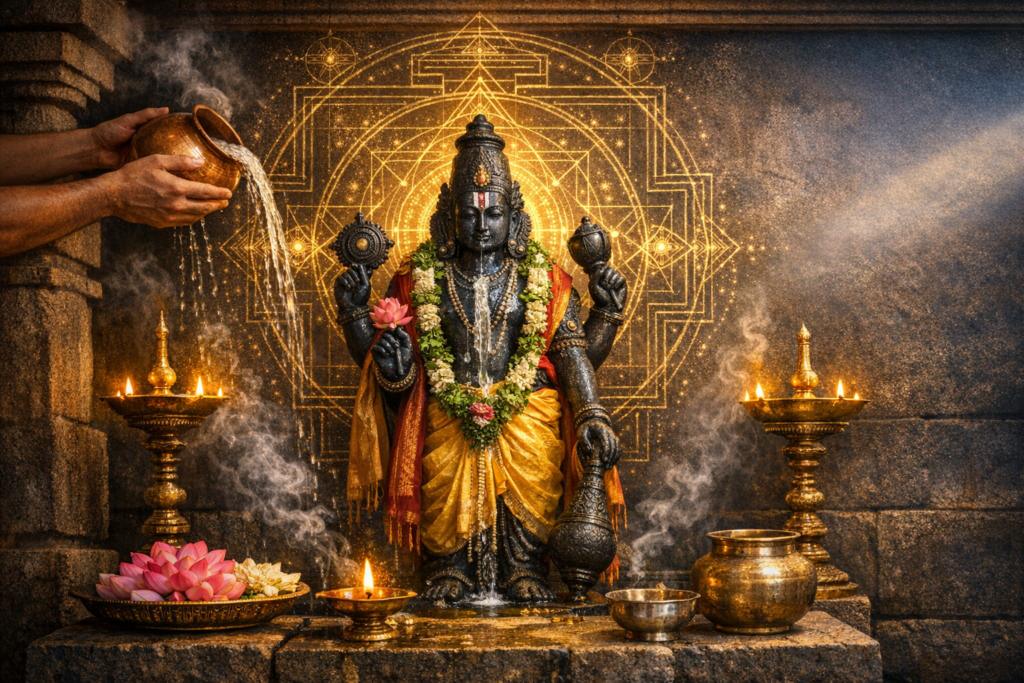
On this day, devotees typically perform a holy dip, participate in puja to Goddess Kaveramma, light lamps, and receive prasada. Many also visit the confluence at Bhagamandala, integrating tirtha-yatra practices into a single, meaningful pilgrimage circuit. Witnesses often describe a palpable serenity as the sanctum fills with mantras, bells, and the collective devotion of families and communities.
Beyond its regional importance, Kaveri Sankramana reflects a broader dharmic ethos: reverence for nature, self-discipline, and community harmony. These values resonate across Hinduism, Buddhism, Jainism, and Sikhism, which uphold water as sacred and emphasize ethical living, compassion, and responsible stewardship. The observance thereby offers an inclusive lens on shared cultural heritage and spiritual unity.
For those planning to attend, Talakaveri is accessible from Madikeri, the district headquarters of Kodagu. Given large gatherings, early arrival, adherence to local guidance, and eco-conscious practices—such as minimizing plastic use and respecting the fragile hill ecosystem—are strongly encouraged. Modest attire, orderly participation in queues, and sensitivity to temple norms support a dignified and safe experience for all.
As the exact muhurta can vary by location and temple tradition, pilgrims are advised to verify the official timing announced by the Talakaveri temple authorities or local administration for October 17, 2025. This ensures ritual integrity and facilitates coordinated participation in snana and subsequent puja.
Kaveri Sankramana thus stands as both a devotional and cultural milestone—anchored in the movement of the Sun, expressed through ritual purity, and enriched by a living tradition of pilgrimage. It invites participants and observers alike to engage with the river’s sanctity, reaffirming unity across dharmic paths and honoring a heritage that continues to inspire collective well-being.