Katyayani Vratam, dedicated to Goddess Katyayani (also spelled Kathyayani), is traditionally observed during Dhanurmasam (Dhanu month) in South India, with many communities aligning it to the lunar Margashirsha/Margazhi cycle. For the 2025–2026 season, the observance spans from 16 December 2025 to 14 January 2026, culminating around the auspicious transition near Makara Sankranti. This period is revered for disciplined worship, study, and seva, and is widely known as Dhanurmasa Kathyayani Puja.
Regional practice reflects two calendrical frameworks: some follow the lunar month of Margashirsha (Margazhi in Tamil), while others adopt the solar Dhanurmasam. Both approaches honor the same devotional intentinvoking the blessings of Devias the dates converge seasonally on the winter month when early dawn worship is emphasized in the Hindu calendar.
In the Shakta tradition, Katyayani is celebrated as a powerful form of Shakti and a compassionate guide to courage, clarity, and wellbeing. Devotees undertake the vrata seeking auspicious beginnings, family harmony, and ethical resolve. The discipline of fasting, mindful living, and service resonates with shared dharmic valuesself-restraint, compassion, and truthful actionaffirming bridges across Hinduism, Buddhism, Jainism, and Sikhism through common commitments to inner transformation and social harmony.
Across South India, households and temples observe Dhanurmasa Kathyayani Puja with pre-dawn prayers, a simple vrata (fast or dietary restraint), and offerings such as turmeric, kumkum, fresh flowers, and seasonal satvik foods. Hymn recitation, quiet meditation, and community satsang reinforce the reflective spirit of Margashirsha/Margazhi. Many families describe the serene rhythm of Brahma-muhurta worship, kolam at the threshold, and collective chanting as practices that deepen attention, gratitude, and togetherness; Vaishnava households often honor the month with Tiruppavai while respectfully venerating Devi, illustrating inclusive devotion during this sacred window.
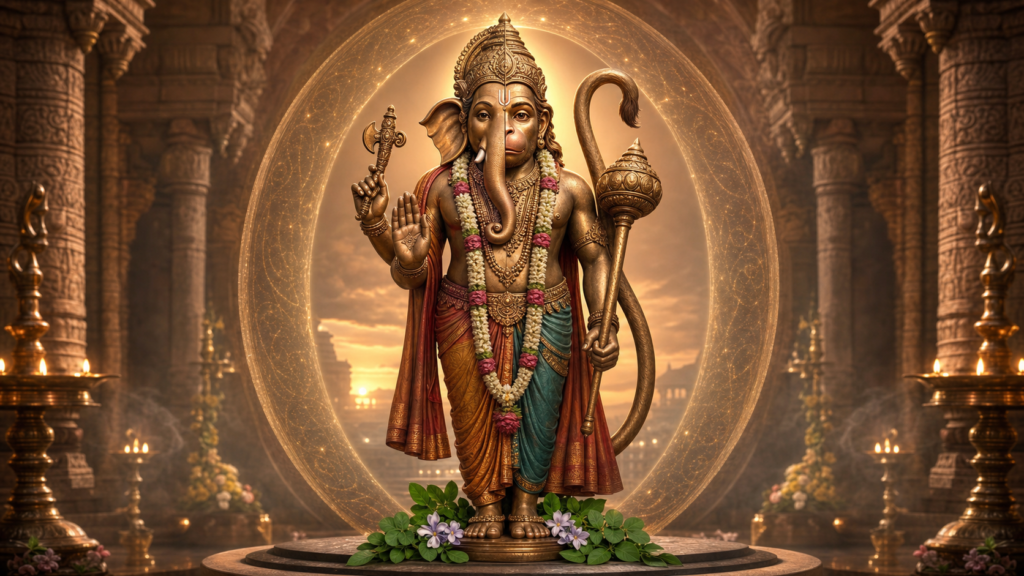
A simple home puja may follow these steps: (1) perform sankalpa stating the observance within 16 December 2025–14 January 2026; (2) prepare a clean altar with an image or murti of Goddess Katyayani (or Durga); (3) light a lamp and offer water, flowers, turmeric, kumkum, and naivedya; (4) recite chosen stotras or meditate in silence; (5) conclude with aarti and share prasada. Observers are encouraged to honor local sampradaya guidance and consult elders or priests for regional nuances.
For auspicious timing, dawn worship during Brahma muhurta is widely recommended in Dhanurmasam. Because tithis and sunrise times vary by location, it is prudent to consult a regional Panchang for Shubh Muhurat and local festival timings. This ensures alignment with both the lunar and solar reckoning used across different traditions.
Beyond personal discipline, the vrata nurtures community bonds through collective worship, charitable giving, and shared meals, echoing the dharmic emphasis on seva and ahiṁsā. The contemplative practices of this season find parallels in meditation, dana, and mindful conduct upheld across dharmic paths, reinforcing unity-in-diversity and mutual respect among communities.
Key reference for planning: Katyayani Vratam 2025–2026 is observed from 16 December 2025 to 14 January 2026, either within Margashirsha/Margazhi (lunar reckoning) or Dhanurmasam (solar reckoning), depending on regional custom.
Spelling note: both “Katyayani” and “Kathyayani” appear in liturgical and regional usage. Including both forms supports accurate search and documentation for Dhanurmasa Kathyayani Puja, Margashirsha observances, and related Hindu festival practices.
Inspired by this post on Hindu Pad.