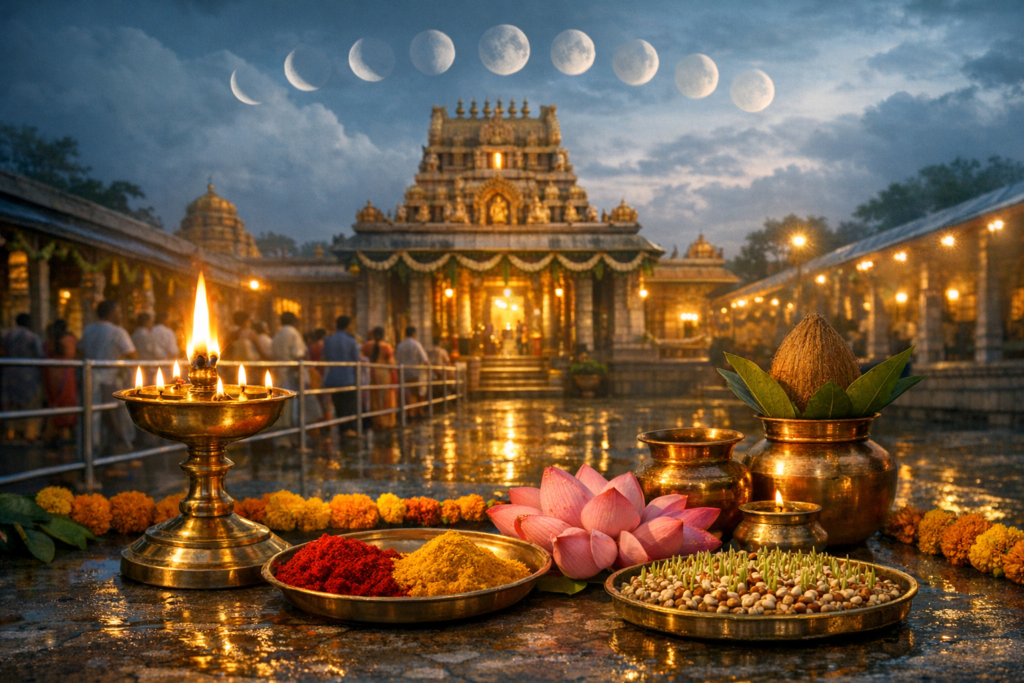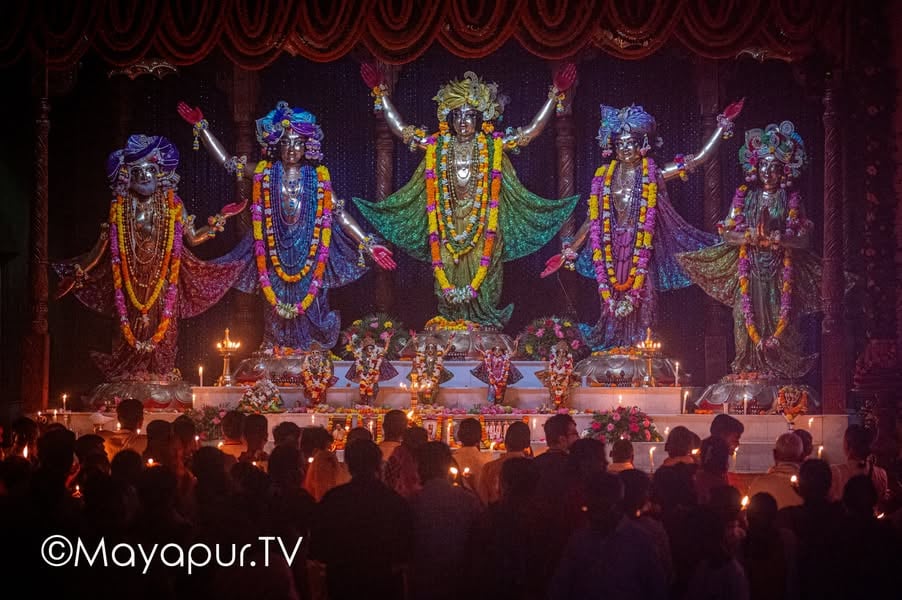
“Nectarean glimpses of Mayapur’s divine atmosphere — thousands of devotees illuminating the temple with golden lamps, offering their love to Lord Damodara in a sea of devotion and light.” This evocative description captures Day 25 of Kartik Deep Daan in Sri Dham Mayapur, where shimmering rows of deepa lamps transcend spectacle and become a living expression of bhakti directed to Lord Damodara (Sri Krishna).
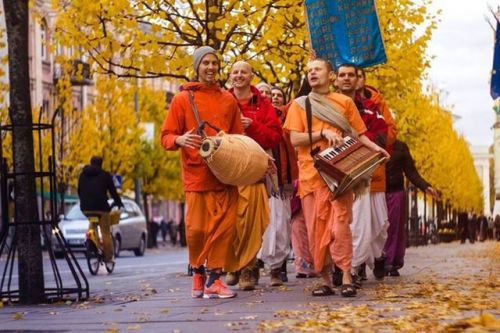
Observed during the sacred Damodar Month of Kartik (Karthika masam), the deep-daan (lamp offering) tradition is a hallmark of the Bhakti Tradition and a luminous complement to Diwali/Deepavali observances. In Sri Dham Mayapur, a major center of ISKCON (International Society For Krishna Consciousness), this ritual unfolds with disciplined devotion, scriptural remembrance, and collective prayer, reinforcing the significance of Hindu festivals in preserving cultural heritage and temple-centered spiritual life.
Witnesses consistently describe a profound stillness that accompanies the glow—soft kirtan, the gentle recitation of Damodara verses, and the intergenerational rhythm of elders guiding children in the careful offering of lamps. Pilgrims and visitors from across India and the global diaspora participate, transforming the temple courtyard into a shared sacred space where devotion, humility, and gratitude converge. The practice strengthens community bonds while transmitting intangible heritage through lived, embodied ritual.
Beyond its immediate devotional focus, the radiance of Kartik Deep Daan resonates with the broader dharmic tapestry. Lighting a lamp as a symbol of inner illumination, ethical clarity, and compassionate action finds meaningful parallels across Hinduism, Buddhism, Jainism, and Sikhism—traditions that celebrate ahiṁsa, mindfulness, and seva as pathways to spiritual refinement. In this shared light, unity in spiritual diversity becomes palpable and deeply instructive.
Day 25 in Sri Dham Mayapur thus serves as a thoughtful reminder that sacred rituals are not merely commemorations but continuous practices of awareness. The luminous offerings to Lord Damodara invite renewed attention to devotion, service, and self-discipline—qualities that travel beyond temple walls and into daily life. In honoring Kartik Deep Daan, communities reaffirm a heritage that is at once ancient and urgently contemporary.
Inspired by this post on Dandavats.