
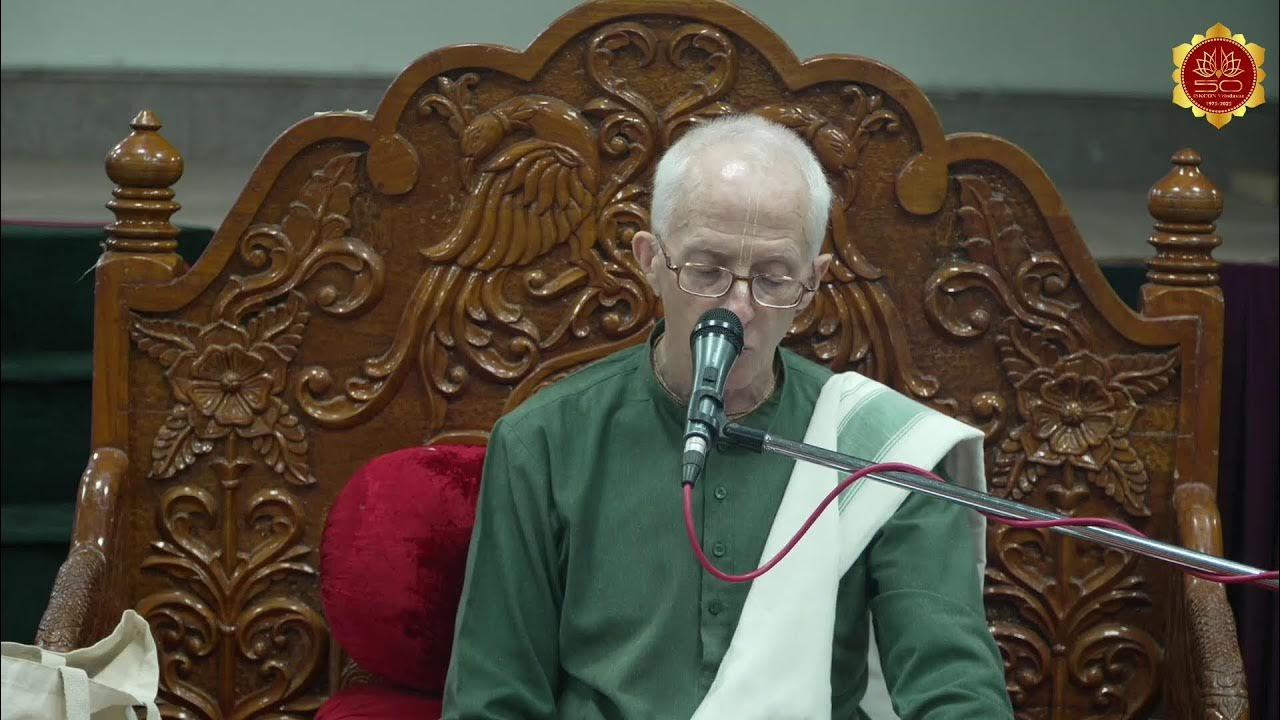
On 31.10.2025 at ISKCON Vrindavan, the Guru Puja prayers led by H.G. Mukunda Datta Prabhu highlighted a foundational principle of the guru–shishya tradition: sustained spiritual instruction (shiksha) often matures into the formal bond of initiation (diksha). In a reverential setting known for kirtan, bhajans, and devotion, the proceedings underscored how a bona fide spiritual master illuminates the heart with transcendental knowledge, guiding disciples toward disciplined practice and deeper realization.
As articulated in Srila Prabhupada’s books, shiksha and diksha are complementary pathways through which guru-kripa (the grace of the spiritual teacher) becomes transformative. Shiksha cultivates understanding, steadiness, and character, while diksha consecrates the disciple’s commitment to sadhana. Together, they align learning with living, ensuring that sacred teachings move from concept to conduct and from inspiration to implementation.
In practical terms, this relationship develops through consistent guidance: study of sacred texts, participation in seva, and refinement of daily practice. Over time, the disciple’s faith deepens, obstacles are clarified, and devotion is purified, preparing the ground for initiation. In this way, instruction and initiation are not separate tracks but a single continuum of growth in bhakti rooted in humility, accountability, and joy.
Observing Guru Puja in Vrindavan often evokes a shared emotional resonancean atmosphere of gratitude, reverence, and inner stillness. Many attendees describe a felt sense of clarity as prayers and offerings are made to the guru-parampara, affirming that devotion is both personal and communal. The harmonies of congregational prayer foster unity and remind participants that spiritual knowledge is most luminous when received with openness and lived with integrity.
This teaching also resonates across dharmic traditions. The central role of a guiding presenceguru, acharya, kalyana-mitra, upadhyaya, or Satguruappears in Hinduism, Buddhism, Jainism, and Sikhism, each emphasizing compassionate instruction, ethical discipline, and experiential wisdom. Such shared principles encourage mutual respect and unity in spiritual diversity, affirming that the quest for truth is enriched when traditions recognize common ground.
In this light, the Guru Puja led by H.G. Mukunda Datta Prabhu serves as a reminder: the teacher’s role is not merely to inform but to transform. By balancing shiksha and diksha, disciples receive both clarity and consecration, ensuring that knowledge remains rooted in practice and that devotion remains guided by knowledge. This synthesischerished in Srila Prabhupada’s teachingsoffers a steady, inclusive path that honors the guru while nurturing harmony among the wider family of dharmic paths.
Inspired by this post on Dandavats.
