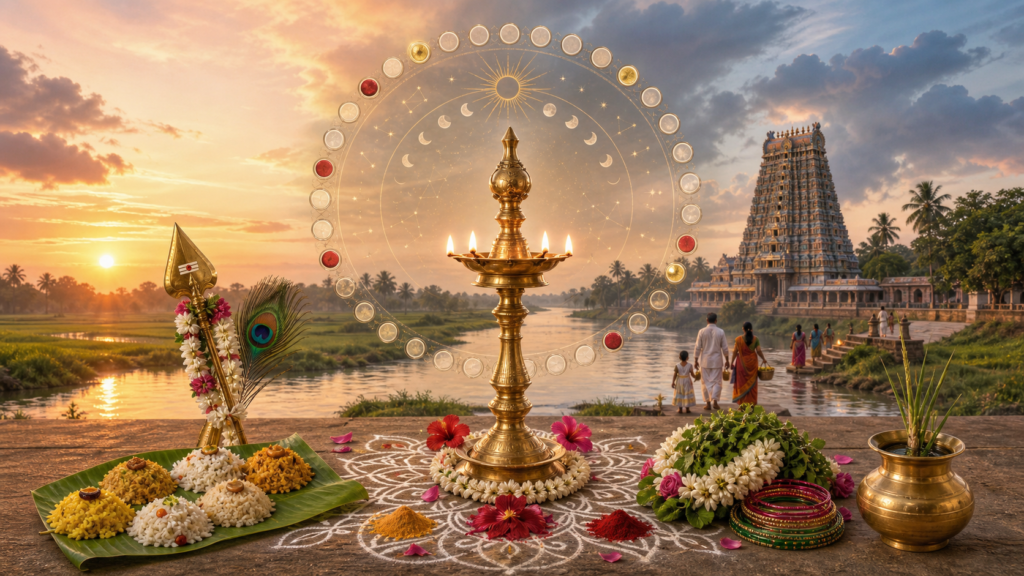
February 2026 aligns with the sacred span of Magha and the early days of Falgun (Phalguna) across the Hindu calendar, offering a season rich in vrata, puja, and pilgrimage. In North Indian purnimanta reckoning, February continues Magh Month and transitions into Falgun, while in the amanta systems followed in Telugu, Kannada, Marathi, and Gujarati traditions, it parallels Magha Masam moving toward Phalguna. This guide presents a clear, academically grounded overview to help readers navigate festivals, auspicious days, and regional variations with confidence.
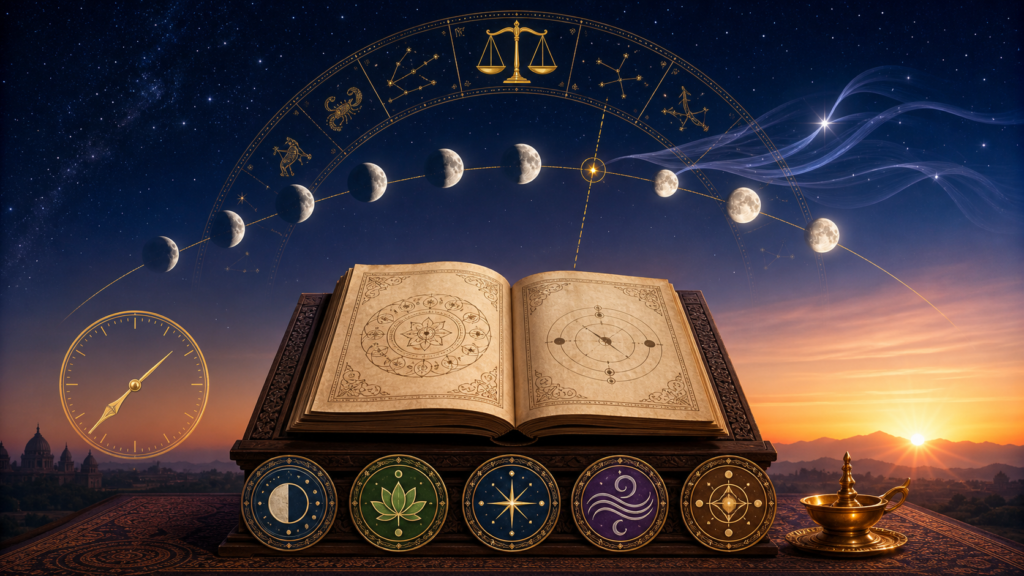
Calendrical nuance matters. Observances in February 2026 are determined by tithi (lunar day), nakshatra (lunar constellation), yoga, and karana, as recorded in standard Panchang references. Because tithis can straddle civil dates and time zones, festival dates may differ by location. Readers are encouraged to verify local sunrise-based calculations and consult a trusted regional Panchang for final observance timings.
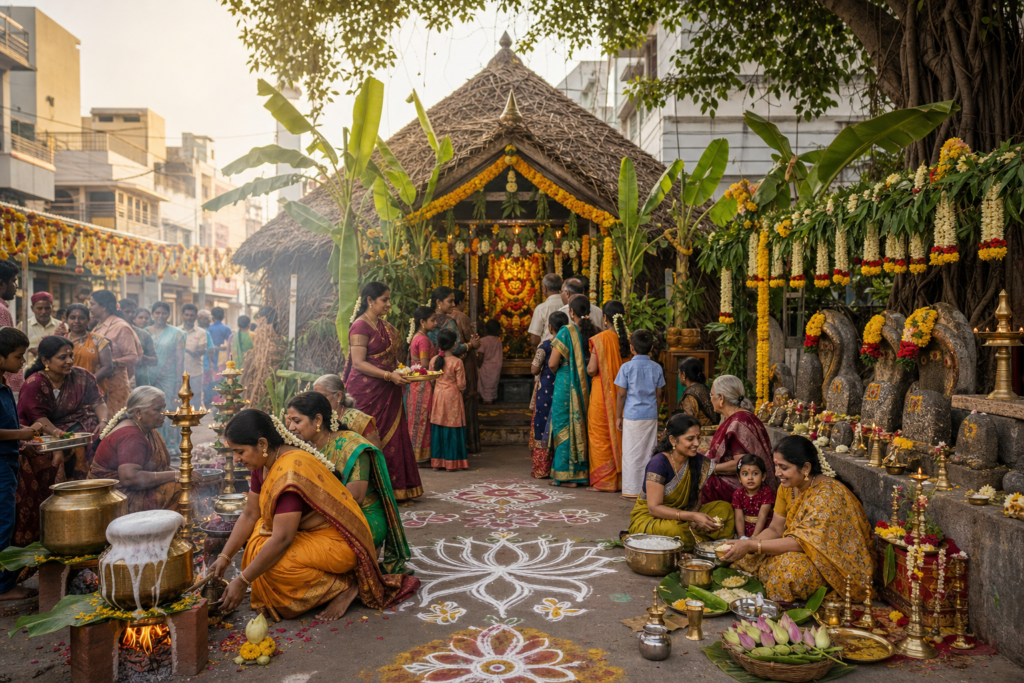
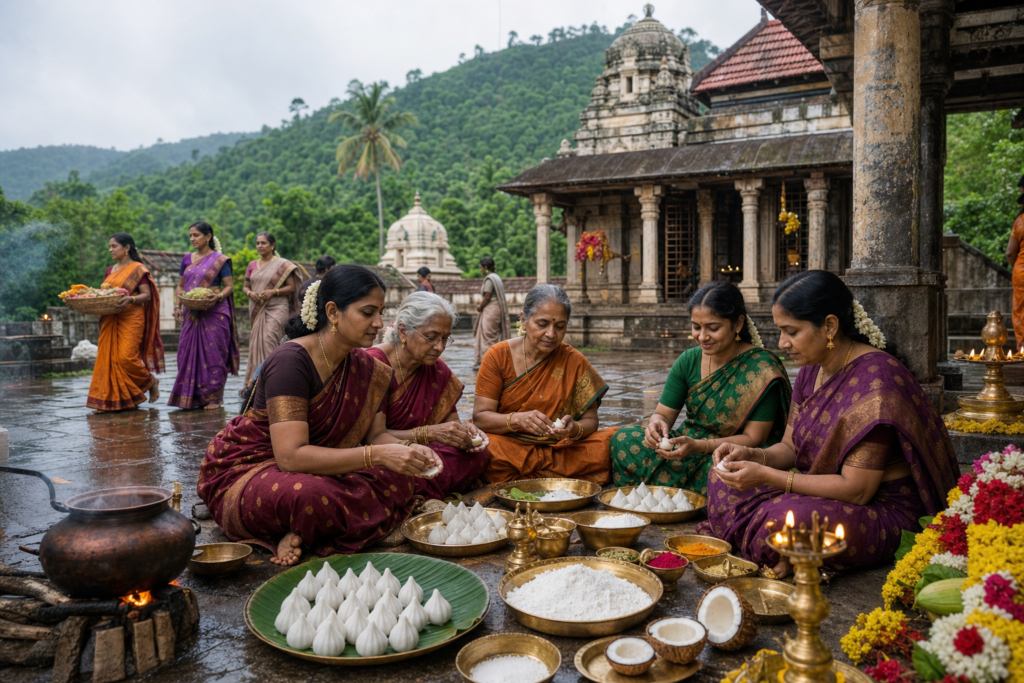
Key Hindu festivals typically observed during Magha–Falgun and thus likely to fall in February 2026 include Vasant Panchami (Saraswati Puja), Ratha Saptami, Bhishma Ashtami, Jaya Ekadashi or Vijaya Ekadashi (depending on the cycle), Pradosh Vrat, Sankashti Chaturthi, Masik Shivratri, Mauni Amavasya (in some regions), and Magha Purnima with sacred snan and Satyanarayan Puja. Each of these observances is rooted in tithi alignment, so local Panchang validation ensures accuracy for temple visits, sankalpa, and family rituals.
Auspicious days (shubh muhurat) in February 2026 are best planned by considering the interplay of tithi, nakshatra, and weekday. For example, Shukla Paksha for new ventures, Monday for Shiva worship, Thursday for Guruvaar vrata and learning-related rituals, and Purnima for Satyanarayan Puja and daan are commonly preferred patterns. Abhijit Muhurta on most days offers a mid-day window often considered favorable for non-travel undertakings, subject to regional tradition.
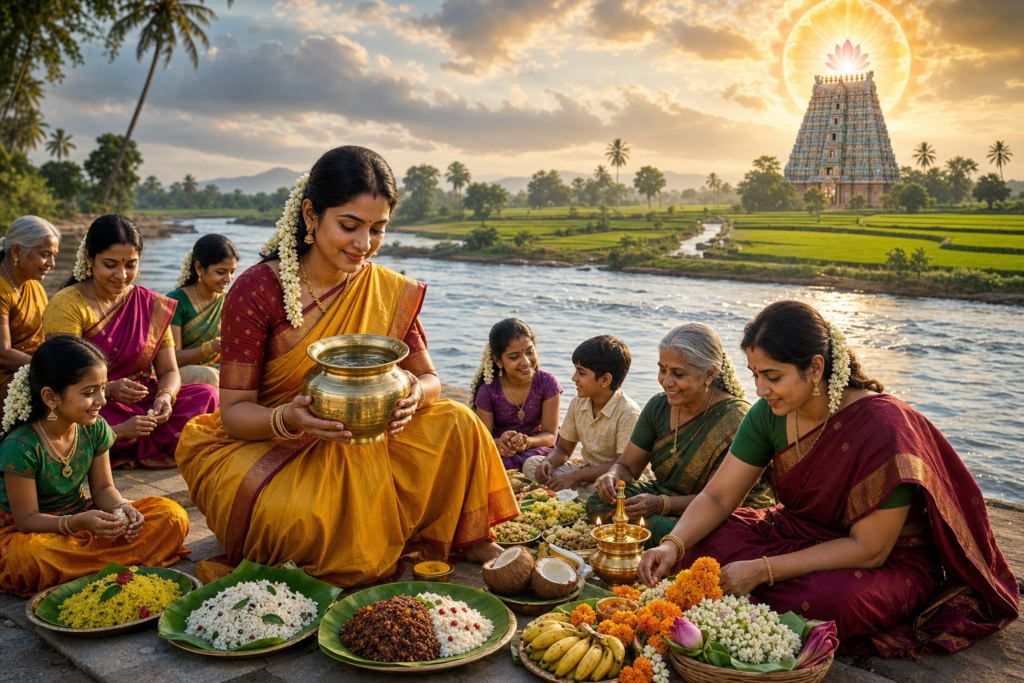
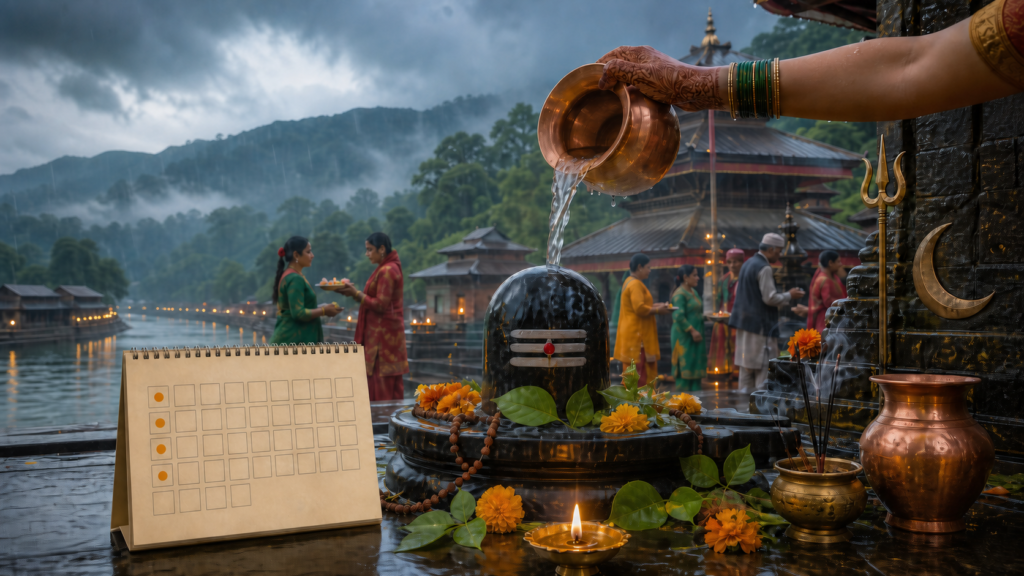
Fast and vrata sequences shape the month’s rhythm. Ekadashi (for Vaishnava observance and satvik discipline), Pradosh (for Shiva bhakti), and Sankashti Chaturthi (for Ganesha upasana) anchor many households’ sadhana. Mauni Amavasya, when it falls within February for a given location, emphasizes silence (mauna), introspection, and snan; Magha Purnima culminates the Magha observances with teertha snan, daan, and collective worship. These practices collectively nurture inner steadiness and community cohesion.
Regional calendars contribute meaningful variety while sustaining unity of purpose. Telugu, Kannada, Marathi, and Gujarati families observing Magha Masam may mark Vasant Panchami and subsequent tithis alongside North Indian communities following Magh Month and Falgun transition. Despite procedural differences (amanta versus purnimanta), shared devotionbhakti, daan, vrata, and kirtancreates an integrative cultural rhythm throughout February 2026.
February’s sacred atmosphere also resonates across Dharmic traditions. Many Buddhist communities observe Magha Puja (Sangha Day) near the Magha full moon, highlighting sangha, sila, and metta. Jain families often emphasize ahimsa, dhyana, and vrata during Magha’s serene cadence. Sikh communities welcome the Basant season with kirtan in the Basant raga and community seva, reflecting the shared Dharmic values of learning, compassion, and collective harmony. This plurality of practice affirms unity in diversity across Hinduism, Buddhism, Jainism, and Sikhism.
For household planning, a simple framework helps: confirm tithi-based dates through a reliable Panchang; note sunrise timings and local time-zone adjustments; identify preferred muhurat windows; and coordinate with local temples for abhisheka, archana, and satsang schedules. Many families find it meaningful to align study, music, and arts with Vasant Panchami (Saraswati Puja), reserve mornings for snan and japa on Magha Purnima, and schedule seva or daan on auspicious weekdays.
Environmentally conscious choicessuch as using biodegradable puja materials, minimizing single-use items, and distributing prasad responsiblyhonor the principle of dharma in daily action. Simple, satvik meals and mindful participation in community events sustain the spirit of Magha–Falgun while fostering intergenerational learning and shared joy.
Methodology and note on accuracy: the outline above is synthesized from standard Hindu calendars and Panchang conventions. Final festival dates, tithis, and muhurats vary by region and tradition. For February 2026 specifically, readers should consult their local Panchang or temple bulletin for authoritative schedules before undertaking sankalpa, travel, or major griha puja. This approach preserves accuracy while honoring the rich diversity of Dharmic practice.
Inspired by this post on Hindu Pad.