Rani Chennamma Punyatithialso known as Kittur Chennamma Smrutidinmarks the death anniversary of Kittur Chennamma, the iconic queen of Kittur in present-day Karnataka. In 2026, the observance falls on 21 February, inviting reflection on a legacy that continues to inspire civic courage, cultural pride, and ethical leadership.
As one of 19th century India’s earliest resisters of the British East India Company, Kittur Chennamma led a principled stand in 1824 that predated the 1857 War of Independence. Her life exemplifies steadfast adherence to dharmajustice, responsibility to the community, and protection of sovereigntyvalues that are widely honoured across India’s civilizational traditions.
The observance resonates with shared dharmic ideals cherished in Hinduism, Buddhism, Jainism, and Sikhism: fearlessness in the face of injustice, compassion for the people, and the moral clarity to uphold truth. Commemorating Kittur Chennamma in this spirit nurtures unity in diversity and strengthens cultural harmony.
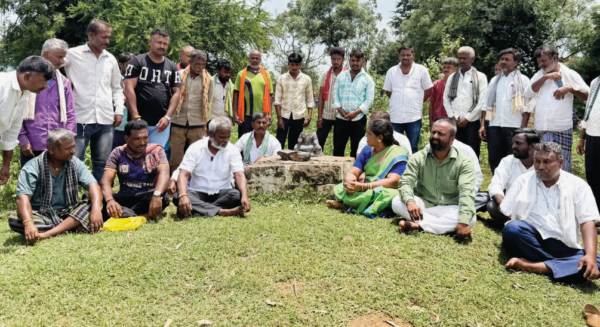
Rani Chennamma’s samadhi lies in Bailhongal taluk (Belagavi district, Karnataka). Reports of limited maintenance and a small adjoining park underscore the importance of heritage preservation. Respectful upkeep of this samadhi supports collective memory, educates younger generations, and affirms a shared commitment to safeguarding cultural heritage.
On 21 February 2026, tributes are typically offered through floral homage, readings on her life, and community programs that highlight Karnataka’s folk traditions and India’s freedom struggle. Visitors who plan to pay respects at Bailhongal commonly choose a quiet, contemplative approach, aligning personal remembrance with the dignified character of the site.
Remembering Kittur Chennamma on Punyatithi elevates the broader narrative of India’s resistance to colonial rule and celebrates women’s leadership in the public sphere. Observing Kittur Chennamma Smrutidin in 2026 thus becomes both a tribute to an extraordinary figure and a reaffirmation of shared dharmic values that unite communities across the subcontinent.
Inspired by this post on Hindu Pad.