
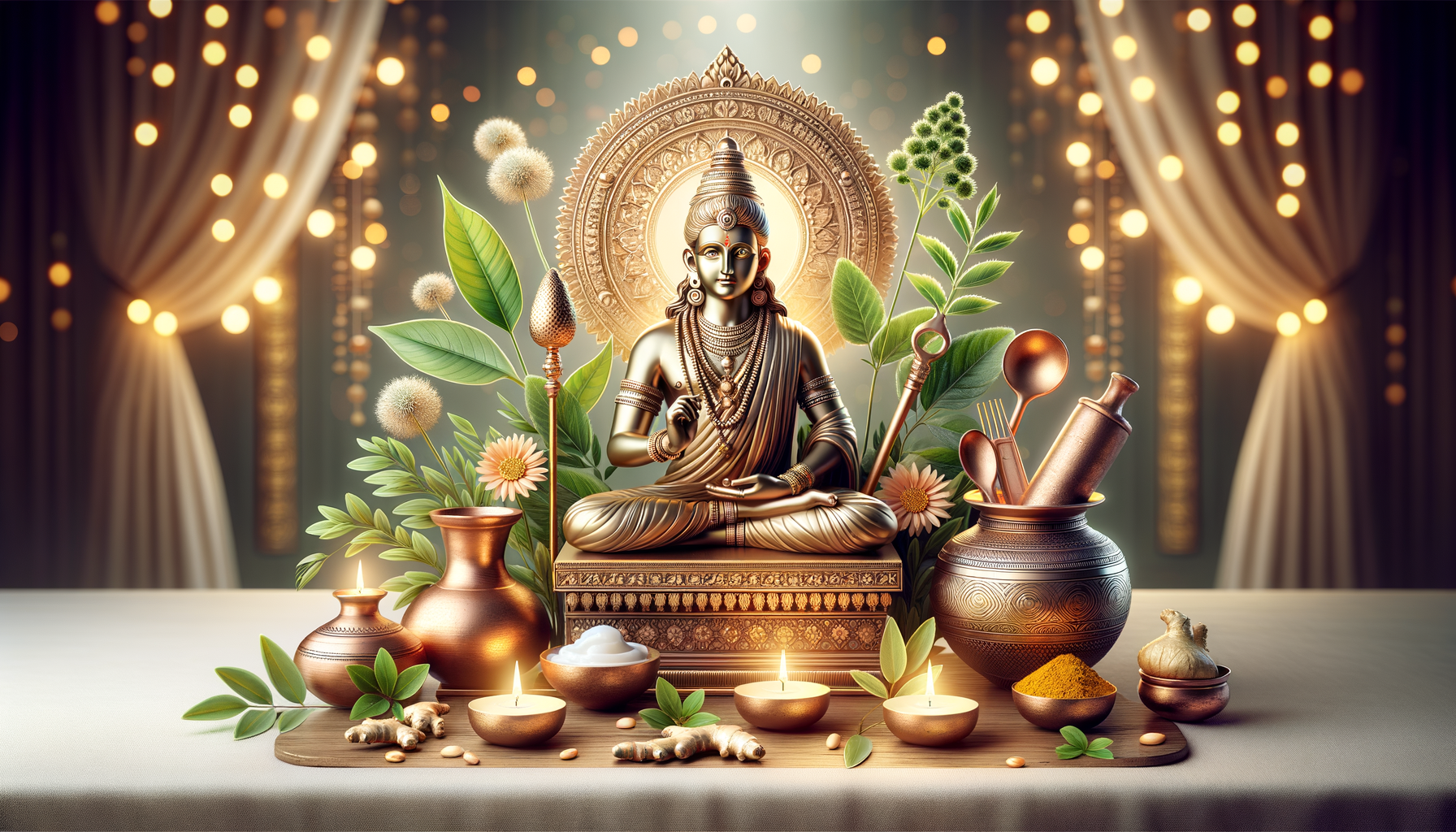
Dhanvantari Jayanti, dedicated to Lord Dhanvantarithe divine originator of Ayurveda and the physician of the godswill be observed in 2025 on October 18. Falling on Kartik Krishna Trayodashi, it is traditionally celebrated two days before Diwali, aligning in many regions with Dhanteras. This convergence highlights a shared focus on health, prosperity, and auspicious beginnings within the broader Diwali cycle.
In the theological and cultural memory of Hinduism, Lord Dhanvantari emerges from the Samudra Manthan carrying the amrita kalasha, symbolizing healing, vitality, and the continuity of life. Ayurvedic Vaidyas, along with households that value holistic living, invoke Dhanvantari as the patron of medicine. The observance reinforces an ethic of well-being that resonates with dharmic values of compassion, balance, and service.
Regional practice confirms the calendrical note: in western and northern India, Dhanteras is observed on the same day, while other communities mark Dhanvantari Jayanti with subtle variations tied to local panchang calculations. Despite these differences, the spiritual intent remains unifiedhonoring the source of Ayurveda and dedicating the season to physical health and inner harmony.
Rituals typically include lighting lamps, offering tulsi and neem leaves, preparing a clean altar, and engaging in japa and meditation focused on healing. Families may consecrate water or ghee for traditional use, and many purchase utensils or medical texts symbolizing a renewed commitment to healthy living. The atmosphere is contemplative yet celebratory, linking personal discipline with collective well-being.
A widely recited Dhanvantari mantra on this day is:
Om Namo Bhagavate Vasudevaya Dhanvantaraye Amrita-kalasha Hastaya Sarva Bhaya Vinashaya Sarva Roga Nivaranaya Trayi Mayaya Bhagavate Namah
Meaning: Reverent salutations to Bhagavan Dhanvantari, who holds the pot of nectar; may all fear be dispelled and all diseases be alleviated. The mantra encapsulates the Ayurvedic vision of lifeprevention, balance (dosha harmony), and ethical care as the basis of health.
Beyond ritual, the festival’s importance is both social and spiritual. Acts of sevahealth camps, donations of medicines, and support for community kitchensare frequently undertaken, affirming the dharmic principle that care for the body sustains the pursuit of wisdom and virtue. The day naturally fosters unity among dharmic traditions; values of non-harm, mindfulness, and compassionate service are shared across Hinduism, Buddhism, Jainism, and Sikhism, strengthening a common culture of well-being.
Ayurveda’s seasonal guidance for Kartik aligns with the festival’s ethos: gentle detoxification, regular sleep, warm, sattvic meals, and steady practices such as yoga and pranayama to calm the mind and support immunity. Many households adopt simple, sustainable routines during this periodan approach that complements the spiritual intention of Dhanvantari Jayanti and the wider Diwali season.
Practical observance typically includes setting an uncluttered altar, offering fruits and medicinal herbs, reciting the Dhanvantari mantra with a set number of japa, and reading passages on Ayurveda to reinforce understanding. Devotees often reflect on personal experiences of healing and resilience, integrating gratitude with a renewed resolve to live in harmony with dharma and nature.
Key date and calendrical note: Dhanvantari Jayanti 2025 falls on October 18 (Kartik Krishna Trayodashi), commonly two days before Diwali, which in 2025 occurs on October 20. As muhurta details vary by location, local panchang references are recommended for precise timings of puja, deep-daan, and japa.
Inspired by this post on Hindu Blog.











