Tihar, Nepal’s five-day festival of lights that coincides with Diwali, will be observed in 2025 from October 18 to October 23. As per the traditional Hindu calendar in Nepal, the observance spans from the 12th day of the Krishna Paksha (waning phase) to the 2nd day of the Shukla Paksha (waxing phase) in Kartik Mahina. This lunar alignment places the main Diwali night (Laxmi Puja) near Kartik Amavasya, with regional variations possible based on local panchang calculations.
The festival progresses through distinct thematic days that honor life, prosperity, and kinship. Kaag Tihar venerates crows as messengers; Kukur Tihar honors dogs for loyalty and protection; Gai Tihar and Laxmi Puja celebrate cows and the welcoming of abundance through lights and cleanliness; Govardhan Puja and Mha Puja center on ecological gratitude and the purification of the self and space, with the Newar community marking Nepal Sambat; and Bhai Tika reaffirms the sacred bond between siblings with protective blessings and auspicious tika.
Tihar’s symbolism resonates across dharmic traditions. The illumination of diyas signifies inner wisdom cherished in Hinduism, the spirit of ahiṁsā and self-discipline aligns with Jain ethics, the emphasis on compassion and community echoes Buddhist values, and the acts of seva and gratitude harmonize with Sikh ideals. The shared ethos of light over darkness, learning over ignorance, and unity over division provides a common cultural and spiritual ground.
For planning in 2025, the day-wise flow is expected as follows: the cycle beginning around October 18–19, with Laxmi Puja aligning closely with Kartik Amavasya (notably reflected in the October 21, 2025 panchang), and Bhai Tika concluding around October 23. Exact muhurta and visible moon-phase timings can vary by locale; consulting a Nepali panchang or nearby temple ensures accurate observance for each household.
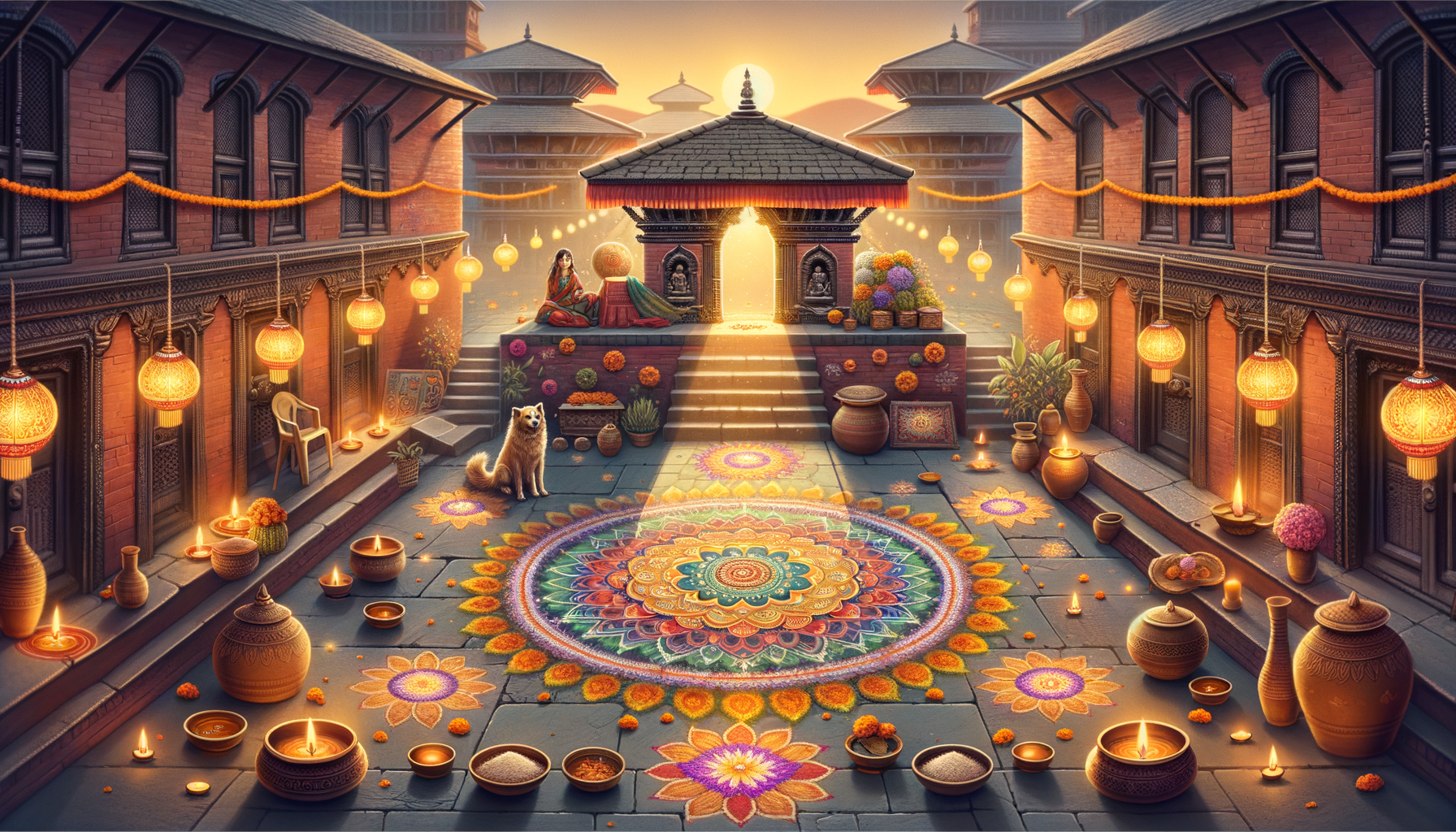
Households and communities across Nepal prepare with rangoli and mandala designs, marigold garlands, and the glow of oil lamps. Deusi–Bhailo songs and community sharing reinforce social bonds, while tidy homes, ethical gifting, and mindful illumination underscore Tihar’s practical wisdom. Many families describe a calm sense of renewal as lights fill courtyards and siblings exchange blessings, reflecting both cultural continuity and intimate family traditions.
Anchored in Kartik Mahina and aligned with Krishna Paksha and Shukla Paksha rhythms, Tihar 2025 offers a meaningful opportunity to participate in Diwali in Nepal with cultural sensitivity. Observerslocal and visitingcan deepen engagement by honoring eco-conscious practices, supporting community harmony, and appreciating how this festival unites the diverse streams of South Asia’s dharmic heritage.
Inspired by this post on Hindu Blog.