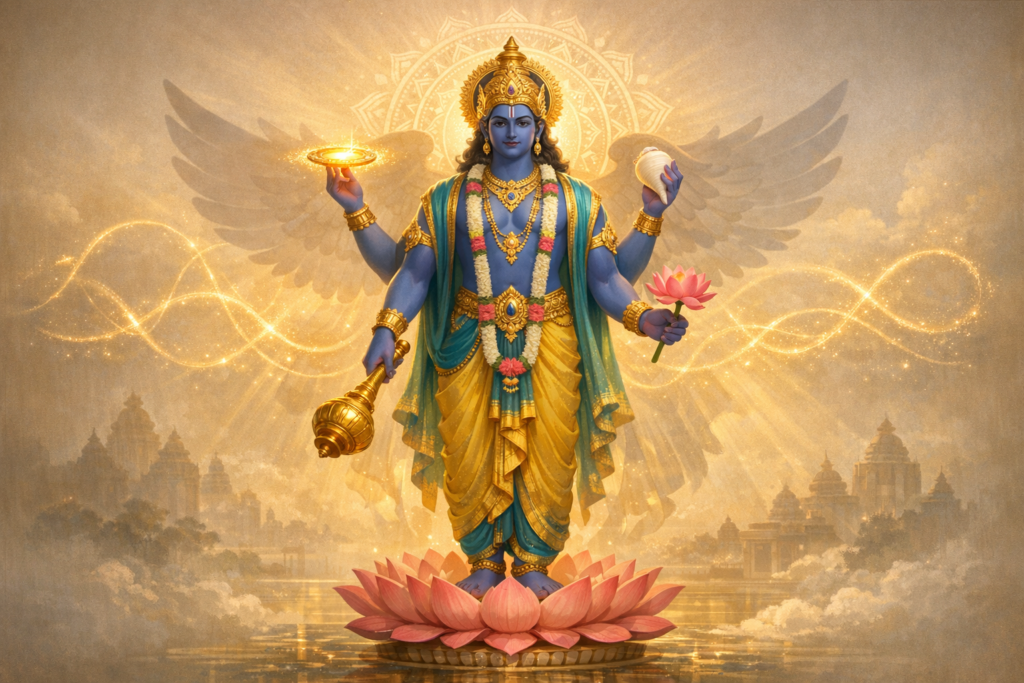
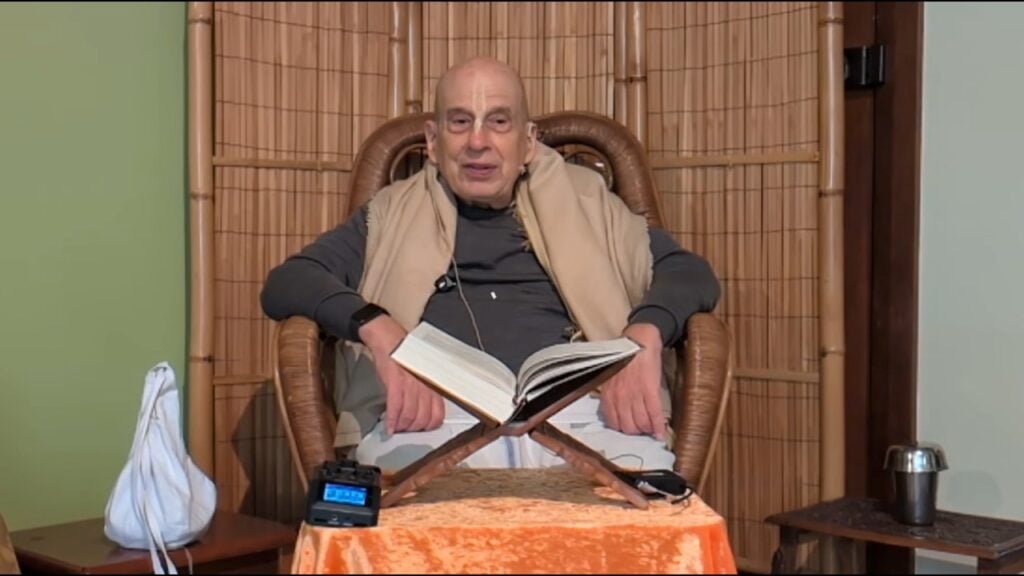
Dev Damodar Tithi (punya-tithi) marks the death anniversary (mahasamadhi remembrance) of Damodaradev, a revered Vaishnava saint from Ratnapitha, Hajo, Kamrup (Assam). In 2026, Dev Damodar Tithi falls on 18 April, corresponding to Vaishakh Shukla Paksha Pratipada—the first lunar day following Vaishakh Amavasya—according to the North Indian Purnimanta calendar. The observance remembers the saint’s enduring contribution to Assamese Vaishnavism and the living satra tradition.
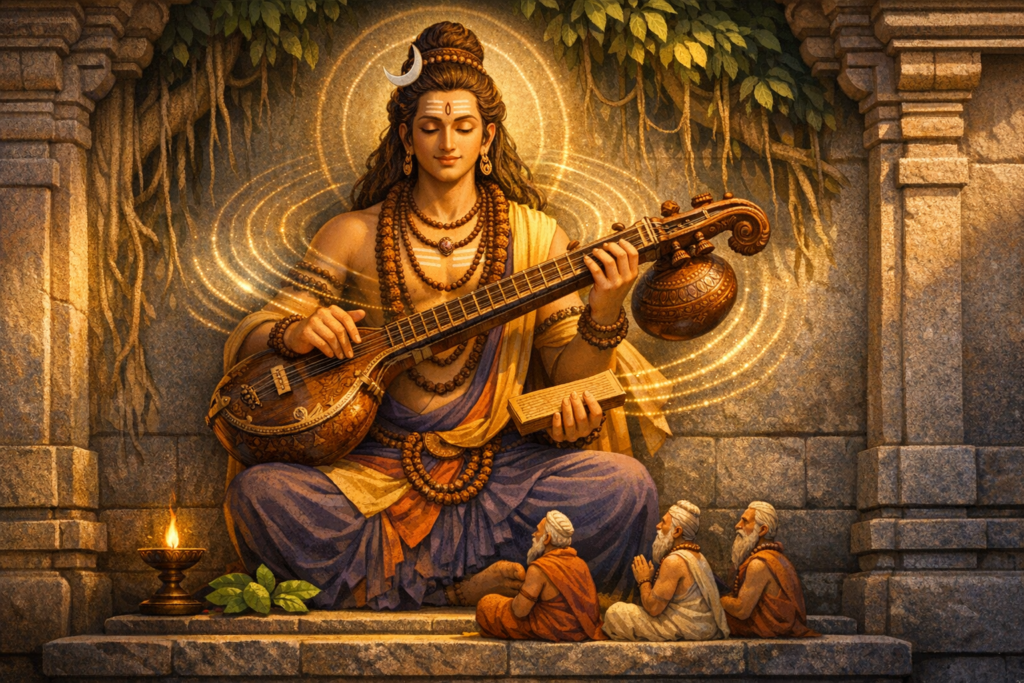
Within Assamese Vaishnavism and the broader Ekasarana Dharma, Damodaradev (also spelled Damodaradeva; c. 1488–1598) is remembered for uniting rigorous scriptural learning with bhakti. Tradition associates him with the Brahma Sanghati, which preserved certain Vedic samskaras while centering devotion on Bhagavata Purana recitation and Naam-kirtan. His organizational work strengthened the satra network and deepened the culture of congregational singing and study across the Brahmaputra valley, leaving a durable imprint on community life and devotional practice.
Ratnapitha, the cultural zone encompassing Hajo in ancient Kamarupa, has long been a confluence of sacred geographies. Hajo’s Hayagriva Madhava Temple, venerated by Vaishnavas and associated in some Buddhist traditions with the Buddha, stands alongside Kedareshwar and other shrines, reflecting an enduring ethos of plural devotion. This interlinked heritage helps explain why the remembrance of a Vaishnava saint in Assam naturally resonates with values shared across Hindu, Buddhist, Jain, and Sikh traditions.
Calendrically, a tithi is defined by the Moon–Sun angular separation advancing in 12-degree steps; Shukla Paksha Pratipada begins immediately after the New Moon, when this separation exceeds 0° and remains within 12°. Festival observance in the Hindu calendar is typically anchored to the tithi prevailing at local sunrise, though regional panchang traditions may differ in assignment rules. Consequently, dates can shift by a day outside India due to longitude, time zone, or the school of astronomical calculation adopted.
Month reckoning varies across India. The North Indian Purnimanta system ends the month at the Full Moon (Purnima), whereas the Amanta system used in many other regions ends the month at the New Moon (Amavasya). Despite these differences, the lunar day of this observance is uniformly Shukla Paksha Pratipada, the first day of the bright fortnight. In the North Indian Purnimanta reckoning it is Vaishakh Shukla Pratipada; in Amanta regions it is likewise the first day of Vaishakh; in the Assamese calendar it falls in Bohag Shukla Pratipada.
For 2026, most Indian almanacs place Vaishakh Amavasya on 17 April (IST), leading to Vaishakh Shukla Pratipada on 18 April. Accordingly, Dev Damodar Tithi 2026 is observed on Saturday, 18 April 2026, in India and in regions following Indian panchang conventions. Communities in other time zones are advised to consult a trusted local panchang or temple notice for confirmation, as the tithi’s sunrise alignment determines practical observance.
According to the Assamese calendar, the tithi aligns with Bohag Shukla Paksha Pratipada and typically coincides with the wider seasonal atmosphere of Rongali Bihu in mid-April. This convergence of lunar observance with Bohag underscores how Assamese devotional life interweaves remembrance, seasonal renewal, and community celebration.
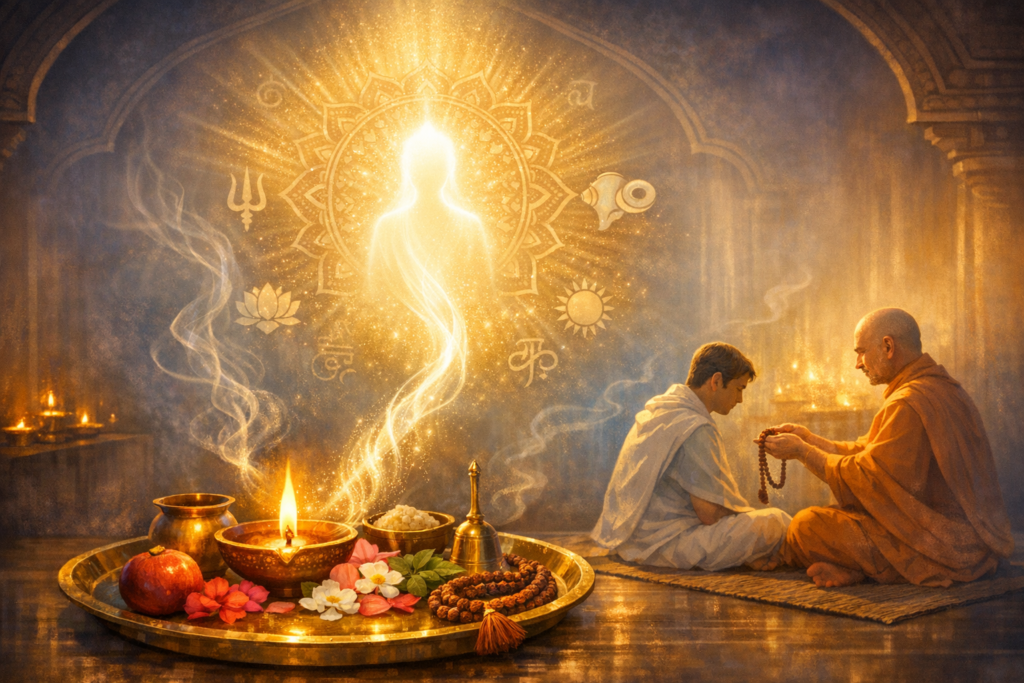
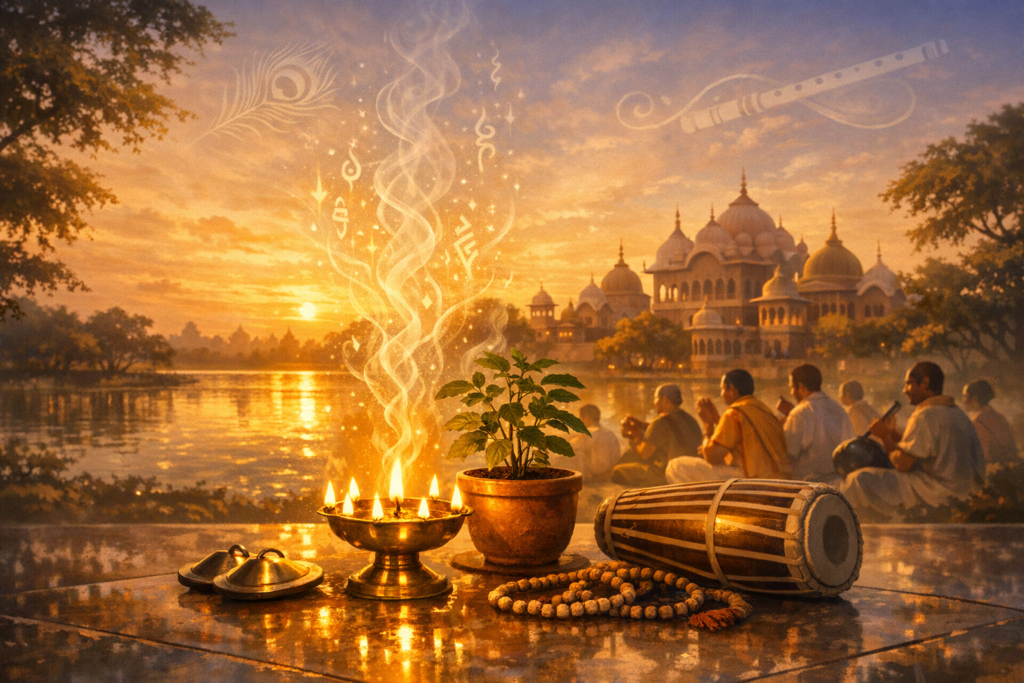
Commemorative observances on Dev Damodar Tithi commonly include Naam-kirtan gatherings (Naam-prasanga), Bhagavata patha, and satsang in satras and temples. Many households light lamps, offer tulasi and seasonal fruits, and dedicate the merit of prayer to community well-being. Acts of seva, including annadana and educational support for children, are encouraged as living expressions of bhakti that translate remembrance into social good.
A simple home observance may be structured around sankalpa at sunrise, followed by Vishnu or Krishna aradhana, recitation from Srimad Bhagavata, Vishnu Sahasranama or select kirtans, and mindful japa such as “Om Namo Narayanaya” or the Hare Krishna mahamantra. Quiet contemplation on the lives of Assamese Vaishnava acharyas—Srimanta Sankardev, Madhavdev, and Damodaradev—can be complemented by sharing prasad and extending kindness within the neighborhood. Concluding with prayers like “sarve bhavantu sukhinah” aligns the day with the universal dharmic aspiration of loka-kalyana.
The ethos remembered on this tithi mirrors core dharmic virtues: ahimsa and daya celebrated in Jain and Buddhist traditions, Naam and seva central to Sikh practice, and the inclusive spirituality of Sanatana Dharma. Emphasizing these convergences nurtures unity among communities while honoring the distinct practices that give each tradition its resonance. In this sense, Dev Damodar Tithi becomes both a regional remembrance and a broader affirmation of shared ethical commitments across dharmic paths.
In Assam, the day often evokes the soundscape of khol and taal, congregational singing in satras, and the warmth of shared prasad, experiences that diaspora associations worldwide also recreate. Educators and cultural workers use the occasion to introduce learners to Ekasarana Dharma, the satra institution, and the historical role of Hajo and Ratnapitha in shaping an ethical, devotional public culture. These living memories sustain continuity between scholarship, practice, and community life.
Key points for planners are straightforward: Dev Damodar Tithi 2026 falls on 18 April; the tithi is Vaishakh Shukla Pratipada, the day after Vaishakh Amavasya; and local sunrise and panchang conventions determine observance in each region. Marking the day with study, kirtan, and service keeps alive the legacy of Damodaradev and affirms the shared dharmic commitment to compassion, learning, and community harmony.
Inspired by this post on Hindu Pad.