On Sunday, October 19, 2025, the Daily Hindu Calendar (Panchang) notes Krishna Paksha Trayodashi, the thirteenth lunar day of the waning phase, prevailing until 1:55 PM (local and regional variations may apply). From 1:55 PM onward, the day transitions to Krishna Paksha Chaturdashi, the fourteenth lunar day in the dark fortnight.
Within the Panchang system, the Krishna Paksha emphasizes introspection, simplicity, and disciplined practice. Across dharmic traditionsHinduism, Buddhism, Jainism, and Sikhismthe waning moon often invites a calm, inward turn of mind. Many households experience this phase as supportive of reflective prayer, seva, meditation, and mindful restraint, fostering unity in spiritual diversity.
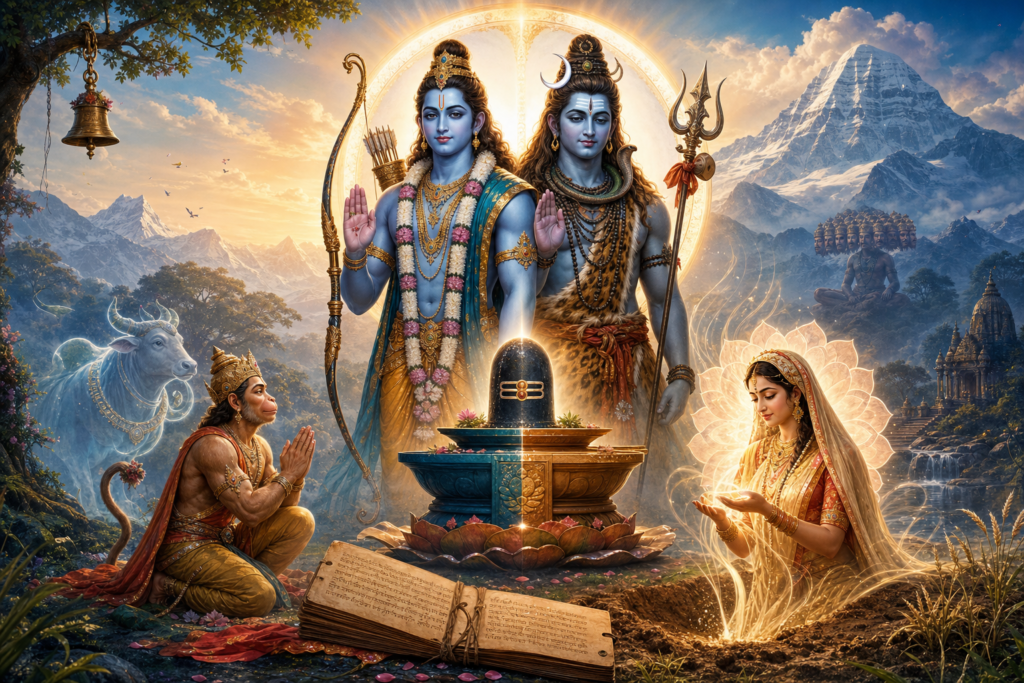
Trayodashi holds special significance in many regions through observances such as Pradosh Vrat, traditionally associated with devotion to Shiva during the twilight period. Where followed, practitioners use this tithi to balance daily duties with sacred remembrance, choosing japa, simple puja, or quiet scriptural reading. The contemplative tone of Krishna Paksha Trayodashi makes it a meaningful window for steady, unhurried sadhana.
With the onset of Chaturdashi in the afternoon, the Panchang marks a deepening of the inward journey as the lunar cycle approaches Amavasya. In numerous communities, this period inspires quiet preparation, self-discipline, and subtle purification practices. Many families find the late evening conducive to short meditations, lighting a lamp, or offering heartfelt gratitudesimple gestures that align conduct with intention.
Good Time (Shubh Muhurat), Nakshatra, and Rashi for October 19, 2025, can vary by region and calculation methods. For precise local timingsespecially for puja, daana, sankalpa, or vrataconsult a trusted regional Panchang or temple notice. Differences in sunrise/sunset, time zones, and local almanac traditions naturally create variation, which is respected across the broader dharmic calendar ecosystem.
A practical rhythm many find helpful is: utilize the morning hours under Trayodashi for study, svadhyaya, or gentle seva; honor the midday transition mindfully; then employ the evening Chaturdashi hours for meditative quiet. Hindus may focus on Shiva-bhakti or simple homa; Buddhists may sit in breath awareness; Jains may choose pratikraman or reflections on ahimsa; Sikhs may engage in simran or recitationan inclusive approach that celebrates shared values while honoring distinct paths.
Understanding the Panchang is also an invitation to appreciate time reckoning as a living heritage. It integrates astronomy, seasonal rhythms, and ethical practice, offering a practical framework that supports modern schedules without losing depth. This shared respect for the lunar calendar strengthens cultural continuity and encourages harmony among dharmic traditions.
Note on accuracy and locality: This summary presents core tithi transitions for October 19, 2025, with the understanding that regional almanacs may differ slightly in computations and event alignment. When planning specific rites or temple visits, local guidance and community customs remain the most reliable sources.
Inspired by this post on Hindu Blog.