As Navaratri concludes and Diwali approaches, the festival season invites thoughtful reflection on spiritual meaning and civic responsibility within the dharmic traditions. These observances function as both devotion and advocacy, honoring a civilizational inheritance safeguarded across generations. In celebrating light over darkness and wisdom over ignorance, communities underscore a shared duty to preserve heritage while engaging thoughtfully with the modern world.
For many families, remembrance of ancestral resilience deepens the meaning of ritual practice. Festivals become living tributes to those who protected their faith under adversity and an affirmation of confidence in cultural identity today. This perspective naturally extends to unity among Hinduism, Buddhism, Jainism, and Sikhism, where reverence for dharma, ahimsa, seva, and wisdom offers a common ethical vocabulary.
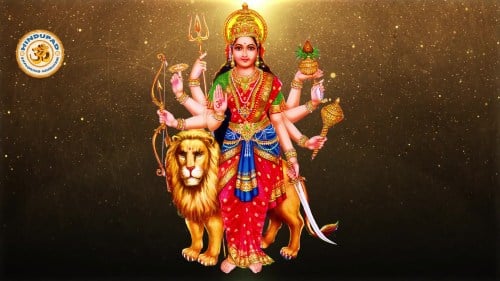
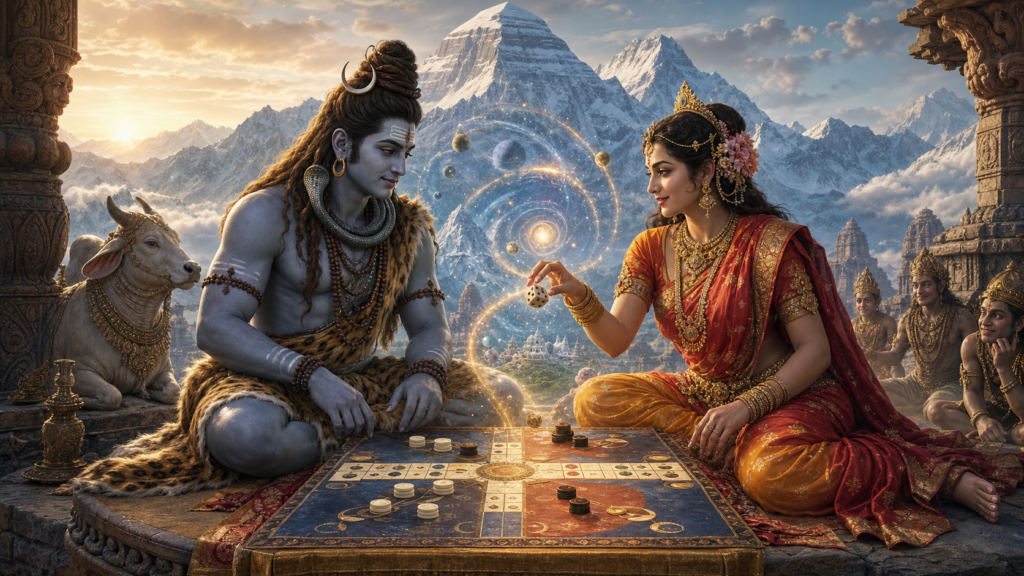
Navaratri’s nine nights honor the Divine Feminine, or Shakti, as the sustaining force of the universe. Traditions that venerate Maa Durga, Maa Laxmi, and Maa Saraswati recognize them as supreme sources of courage, abundance, and knowledge rather than secondary attributes. This open worship of the feminine aligns with broader dharmic insights on compassion, insight, and disciplined living, reinforcing the place of women’s dignity and leadership in social life.
The account of Maa Durga’s victory over Mahishasura exemplifies collective strength and divine resolve. When the devas could not overcome the asura, they invoked the Mother, whoempowered by their combined shastraswaged a nine-day battle and triumphed. Her assurance to stand by devotees in adversity remains a guiding principle, encouraging practitioners to access inner Shakti to meet contemporary challenges with clarity and courage.
Garba, central to Navaratri, expresses this theology in motion. Deriving from garbha, meaning womb, the circular dance symbolizes the eternal cycle of life, death, and rebirth. A lamp at the center represents the source of divine energy around which participants revolve. In both homeland and diaspora, moving in synchrony fosters intergenerational continuity, communal unity, and an intimate experience of the sacred.
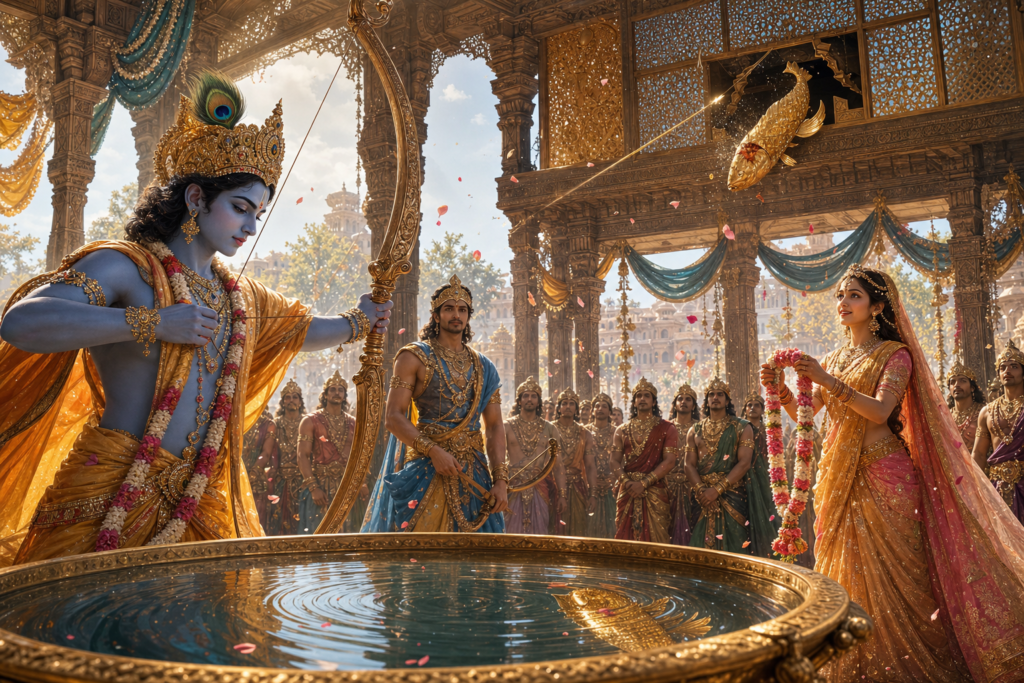
Diwali offers a complementary insight through the homecoming of Shri Ram to Ayodhya after exile and the victory of dharma over adharma. The narrative recalls that before confronting Ravana, Shri Ram performed devi upasana to seek shakti, exemplifying humility before a higher power even for the Maryada Purushottam. This framing invites ethical reflection: strength is realized not through pride but through disciplined devotion and righteous action.
In the present moment, Diwali holds added resonance as the second Diwali since the consecration of the Ram Mandir in Ayodhya. The presence of Ram Lalla in his rightful abode represents the culmination of a long-held aspiration and measured advocacy aimed at safeguarding heritage and values. For many, this milestone affirms the importance of principled civic engagement anchored in respect, pluralism, and the law.
Expanding recognition of Diwalisuch as its designation as a State holiday in Californiaillustrates how community advocacy, education, and representation can strengthen societal understanding. Such developments not only affirm the place of dharmic festivals in public life but also encourage interfaith dialogue, shared learning, and mutual respect across diverse communities.
Together, Navaratri and Diwali articulate a complete seasonal lesson: honor the Divine Feminine, cultivate wisdom, and act with integrity in public life. In the face of concerns about Hinduphobia and misperceptions, maintaining traditions with openness and pride constitutes both devotion and constructive advocacy. In temples, cultural programs, and home gatherings, communities preserve and transmit living heritage. This work proceeds best in solidarity across Hinduism, Buddhism, Jainism, and Sikhism, where dharma’s shared foundations invite unity in purpose and respect in practice.
As lamps are lit to dispel darkness, many see a collective journey illuminated by dharmaone that strengthens cultural continuity, advances social harmony, and inspires ethical action. In this spirit, the festival season becomes a proven pathway for inner transformation and community well-being.
Inspired by this post on CoHNA.