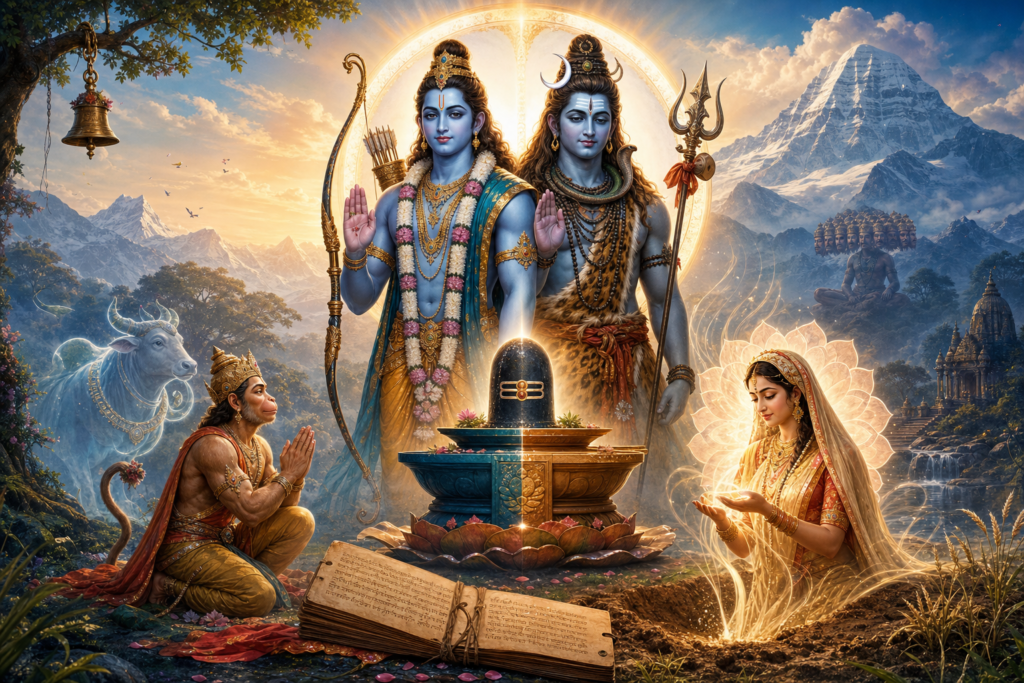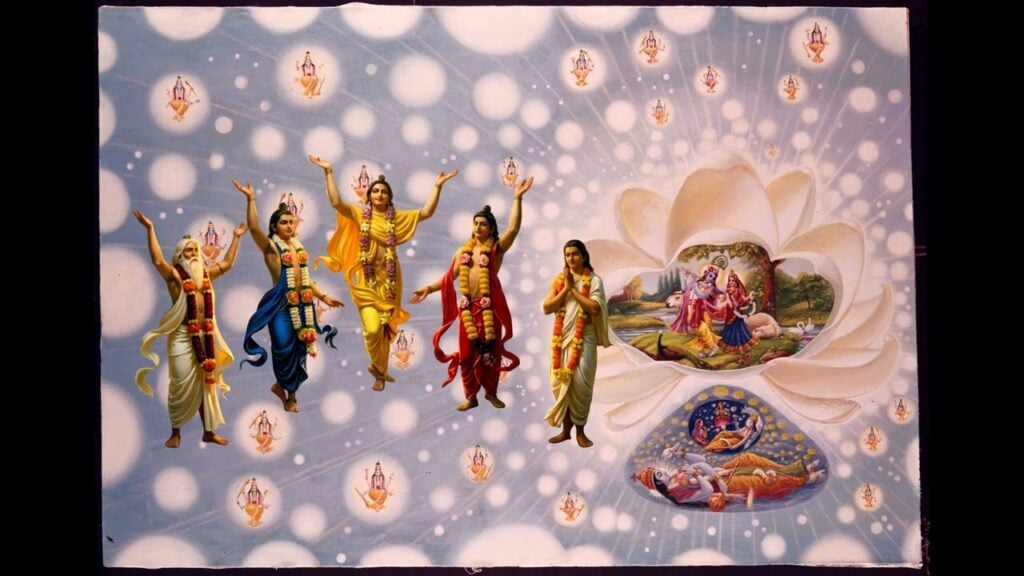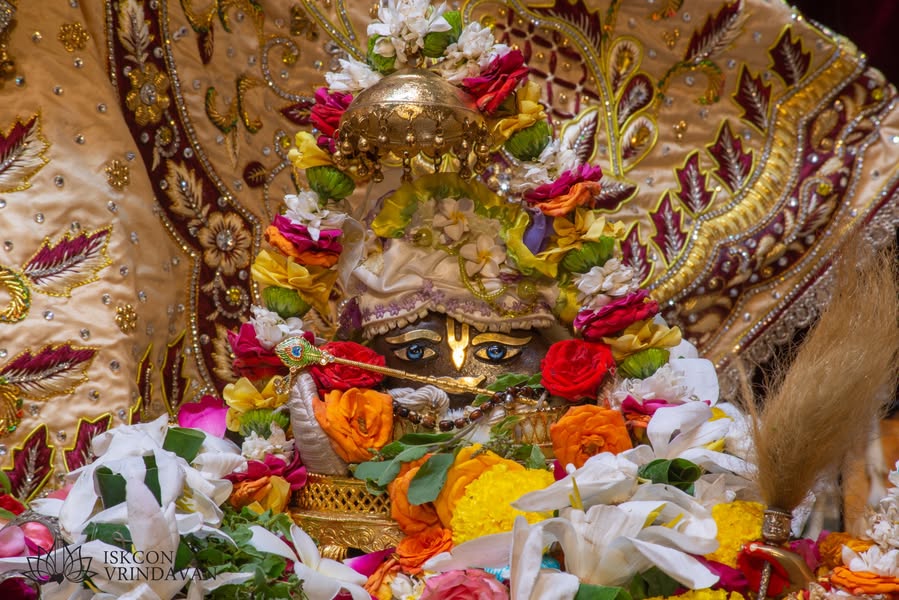
ISKCON Vrindavan marked Govardhan Puja 2025 with a radiant Sringar Darshan, sharing a curated album that captures the ceremonial artistry, community devotion, and scholarly significance of the occasion. Set within the Diwali cycle, the celebration foregrounded the aesthetic and spiritual dimensions of darshanwhere divine beauty becomes an instrument for cultivating bhakti and ethical reflection.
Govardhan Puja, also known as Annakut, commemorates Sri Krishna’s lifting of Govardhan Hill and underscores reverence for nature as sacred. The ritual emphasizes gratitude, protection of ecological balance, and communal sharing through abundant offerings. In the Vrindavan context, this observance aligns temple worship with everyday dharmic valuescare for land, animals, and communityframed through devotion to Krishna.
Sringar Darshan highlights the meticulous ornamentation of the deities with textiles, floral garlands, and harmonized color palettes. The visual grammar communicates theology through form: beauty serves as a pedagogy of devotion, inviting contemplation on purity, humility, and service. The photos from ISKCON Vrindavan document this living heritage, enabling both practitioners and researchers to observe ritual sequences, design motifs, and evolving artisanal techniques.
Visitors often describe a palpable sense of serenity, belonging, and collective purpose during the darshan. Kirtan, seva, and shared offerings create a participatory atmosphere in which families, pilgrims, and local devotees converge. The experience fosters social cohesion around values of gratitude, non-violence, and compassionprinciples that guide daily conduct as much as ceremonial life.
These values resonate across the dharmic traditions of Hinduism, Buddhism, Jainism, and Sikhism. The reverence for simplicity, community service (seva), vegetarian offerings, and ecological care reflects a shared ethical core. In this way, Govardhan Puja at ISKCON Vrindavan becomes a bridge for unity in diversityhonoring distinct paths while affirming common commitments to harmony, responsibility, and spiritual growth.
As a visual archive, the 2025 photo collection performs vital heritage work. It preserves details of temple rituals, costume conventions, floral artistry, and sacred spatial arrangements. Such documentation supports cultural continuity, aids comparative studies across regions and years, and offers an accessible resource for educators, historians, and devotees seeking to understand Sringar Darshan within the broader bhakti tradition.
For those planning a future visit, simple practices enhance the experience: arrive early to join communal kirtan, observe darshan etiquette with patience and quiet attention, choose eco-friendly offerings, and reflect on the ethical lessons embedded in the rituals. These mindful steps align personal devotion with the festival’s emphasis on gratitude, care, and community wellbeing.
In summary, ISKCON Vrindavan’s Govardhan Puja 2025 – Sringar Darshan offers a compelling synthesis of aesthetics, theology, and community practice. The celebration invites contemplation on the intimate connection between devotion and everyday ethics, illustrating how beauty, service, and unity can transform festival moments into sustained spiritual insight.
Inspired by this post on Dandavats.