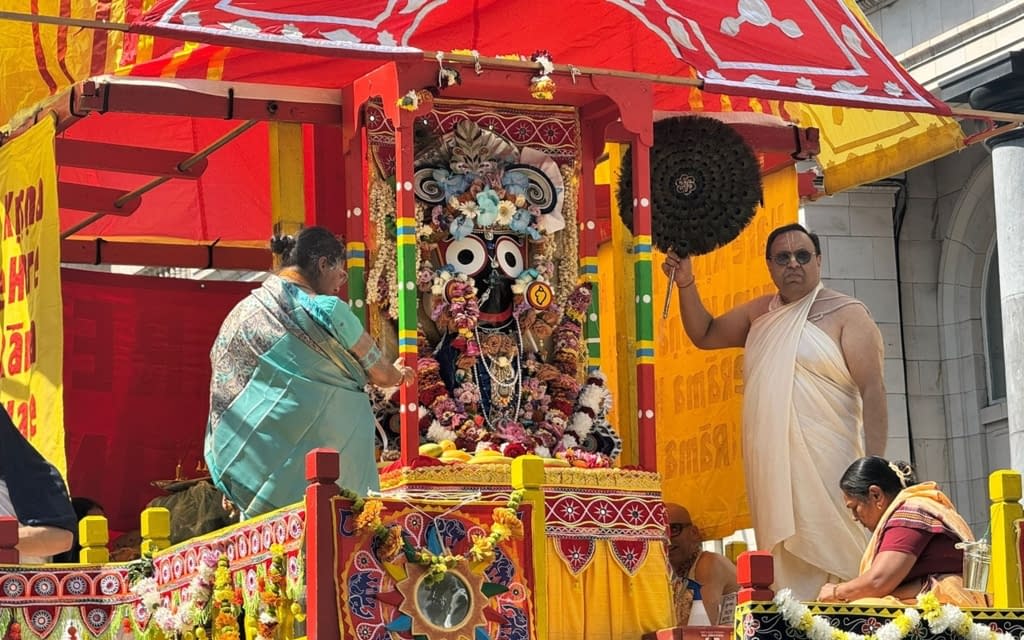
Nahai Khai marks the opening of the four-day Chhath (also spelled Chhat) observance and sets the devotional tone for the days that follow. In 2025, Nahai Khai falls on 25 October. Literally meaning “to bathe and to eat,” this day centers on ritual purity, a sanctified meal, and disciplined living, establishing a sacred rhythm that culminates in the Sandhya Arghya and Usha Arghya to Surya.
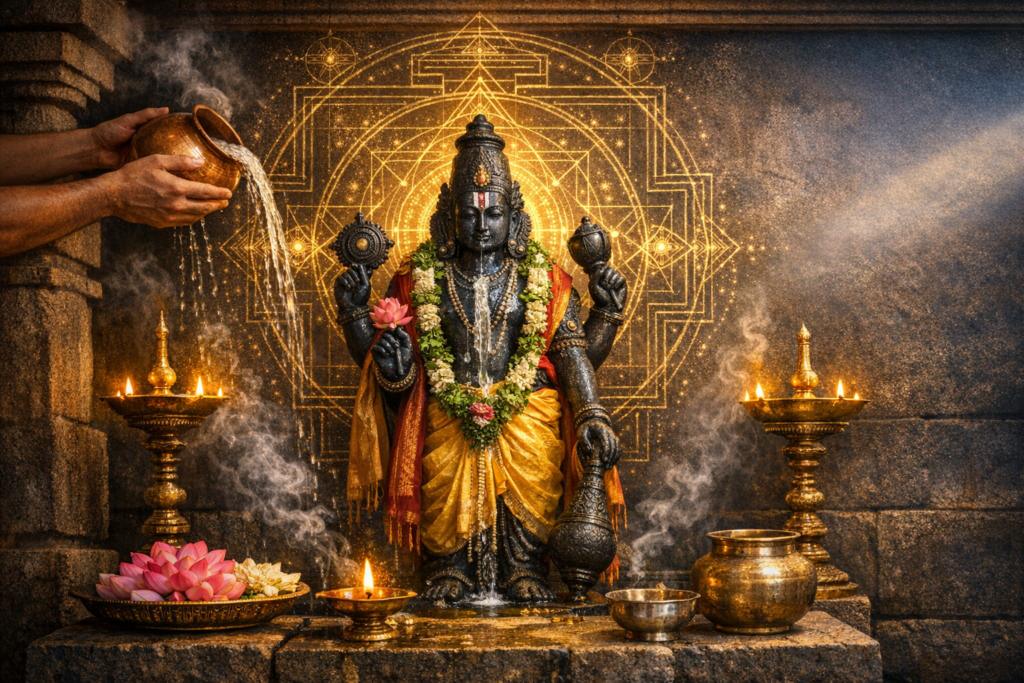
Before sunrise (Suryodaya Purva), devotees undertake a ritual bath in a holy water body—traditionally the Ganga, but also clean rivers, ponds, or the sea where available. The act of bathing symbolizes inner and outer purification. Homes and kitchens are meticulously cleansed, separate utensils are reserved for sattvic cooking, and many vratis (observers of the vow) resolve to partake of only one simple, sanctified meal for the day. These practices reinforce the Chhath ethos of cleanliness, self-discipline, and devotion.
A hallmark of Nahai Khai is the preparation of Lauki Bhat (also known regionally as Kaddu-Bhat)—a modest, sattvic dish that reflects both simplicity and reverence. Bottle gourd (lauki) is gently simmered, often alongside plain rice, sometimes accompanied by chana dal, and finished with ghee and rock salt (sendha namak), avoiding onion, garlic, and heavy spices. Offered first as bhog to Surya, the meal is then shared within the family. Variations across Bihar, Uttar Pradesh, Jharkhand, and parts of Nepal retain the same core principle: purity of ingredients, method, and intent.
As households prepare Lauki Bhat, the sensory landscape of Chhath comes alive—the fragrance of ghee, the steam rising from freshly cooked rice, and the hush of kitchens set aside for sattvic cooking. On riverbanks and ghats, the quiet devotion of pre-dawn bathing is often accompanied by soft Chhath geet, creating a collective sense of reverence and community. For many families, Nahai Khai evokes multigenerational memories—of learning how to wash grains, maintain kitchen sanctity, and share the first morsel as prasada after offering it to the rising sun.
Nahai Khai carries a broader cultural resonance that extends beyond regional identity. While Chhath is a Hindu festival dedicated to Surya and Usha, its emphasis on gratitude to nature, ethical restraint, and purity of food resonates across dharmic traditions—Hinduism, Buddhism, Jainism, and Sikhism—where reverence for the natural world, disciplined living, and mindful consumption are deeply valued. This shared ethos nurtures unity, encouraging communities to honor diverse paths while celebrating common values.
For 2025 observance, key points remain consistent: the pre-dawn to sunrise bath; the cleaning and sanctification of the cooking space; and a single, sattvic meal anchored by Lauki Bhat. Those away from major rivers can choose clean local water bodies or even perform the bath at home with due sanctity. Eco-conscious practice—avoiding plastic, keeping ghats clean, and using natural materials—aligns with the festival’s spirit of gratitude and responsible stewardship.
Nahai Khai is both preparation and promise. It prepares the devotee for Kharna (Day Two), when the evening kheer-roti offering deepens the vow, and for the culminating arghyas to the setting and rising sun. It also promises an inner quietude born of restraint, gratitude, and community bonds. By honoring the simple sanctity of bathing and eating with mindfulness, Nahai Khai offers a time-tested path to clarity, devotion, and shared harmony.
Inspired by this post on Hindu Pad.