Charak Puja, also known regionally as Nil Puja or Hajra Puja, is a deeply rooted folk religious festival observed at the close of the Bengali month of Chaitra. It is most visible across West Bengal, Tripura, and parts of Assam shaped by Bengali and tribal cultural traditions, where it anchors the spiritual rhythms of rural life and marks a communal transition from one agrarian cycle to the next.
Occurring on Chaitra Sankrantipopularly called Charak Sankrantithe festival coincides with the Sun’s sidereal transit into Mesha (Aries), a moment of calendrical threshold that typically falls on 13 or 14 April. In practice, this day directly precedes Pohela Boishakh (the Bengali New Year), creating an evocative passage from the ending of Chaitra to the promise of Vaishakh and a new agrarian year.
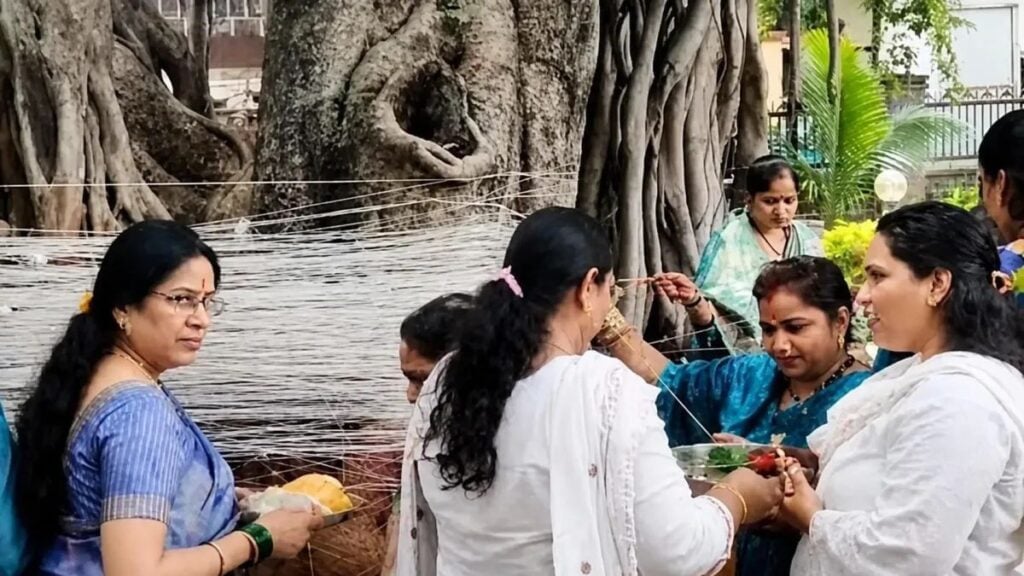
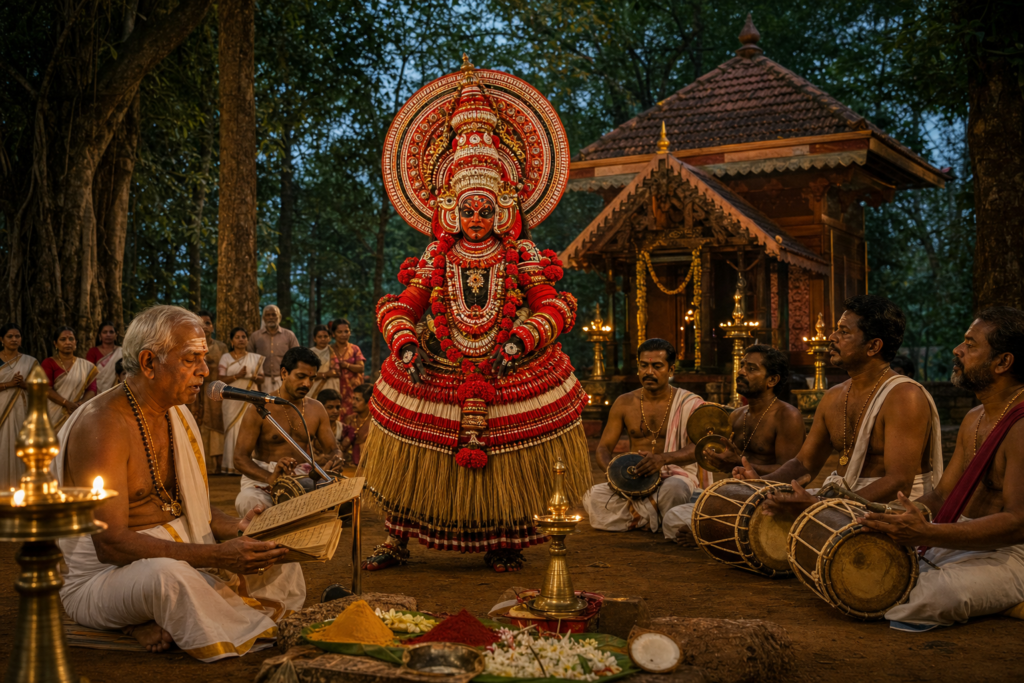
Charak Puja is closely intertwined with the wider Gajan observances of the season, especially in Bengal’s rural heartlands. Devoteesoften called bhaktas or sanyasis during this periodundertake vratas (vows), fasts, and nocturnal kirtans in honor of Shiva and regional deities. Austerity, disciplined devotion, and communal service are emphasized as ethical pillars, weaving together a ritual ethos that is at once intimate to households and expansive as village-wide practice.
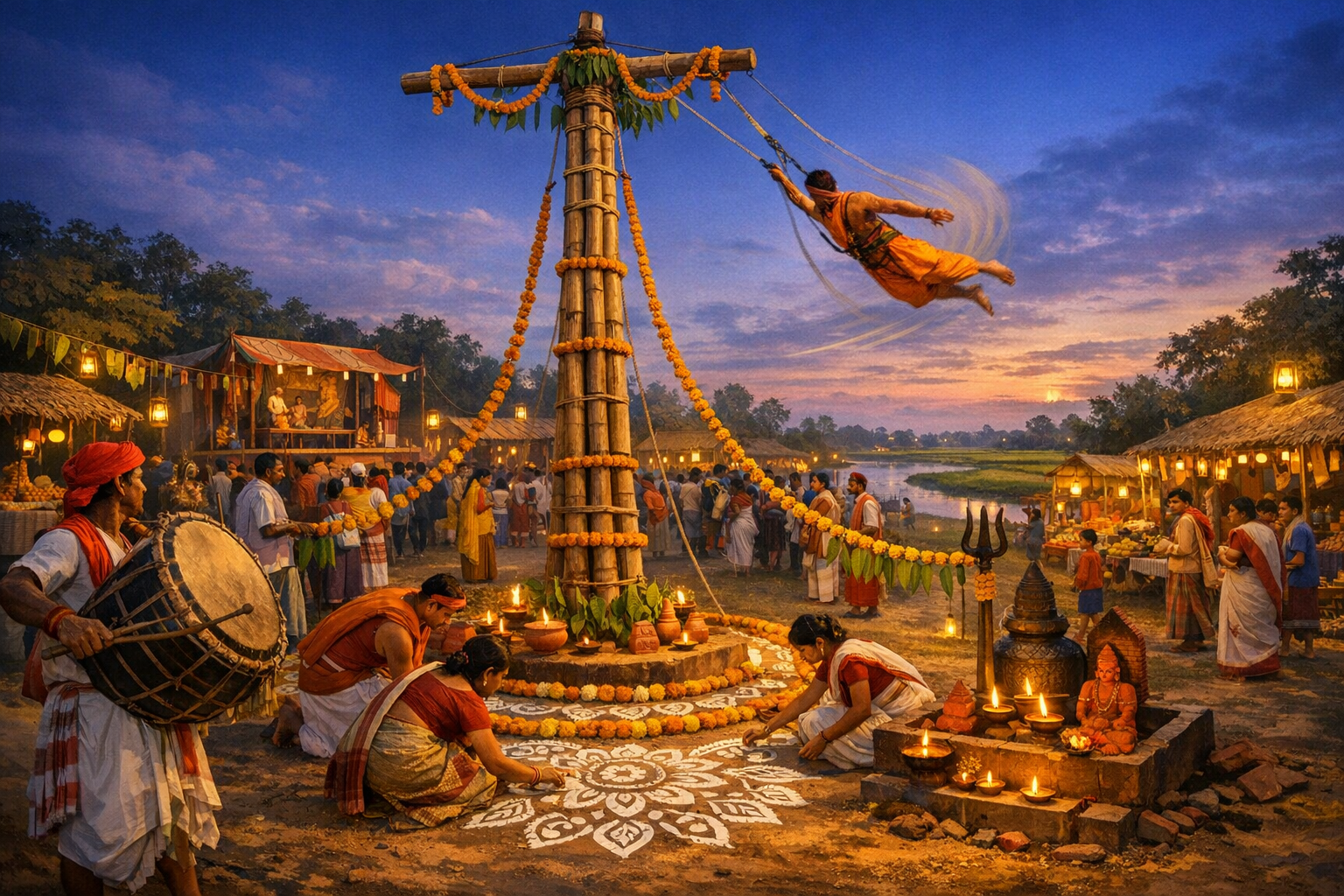
Central to the festival’s iconography is the consecration of a tall pole known locally as the charak gachh (Charak tree). Typically fashioned from a sturdy trunk with a crossbar and rigging at the top, it forms a striking vertical axis in the village landscape. This carefully engineered structure functions as the ritual’s focal point and stands as a symbolic axis mundilinking earth and sky, season and cycle, community and cosmos.
The famed Charak swing unfolds around this pole. Historically dramatic in style, the performance once included practices of physical endurance that are now commonly replaced with safety harnesses and community-approved methods. The devotional core persists: devotees orbit the pole in sweeping arcs, drums (dhak) roll in crescendo, and songs of supplication and gratitude fill the air. The motion of the revolving rig is often interpreted as a kinetic prayer, a visual metaphor for renewal at the very edge of the Bengali year.
Beyond the core ritual, village squares and temple courtyards blossom into Charak Melasrural fairs where folk theatre (jatra), crafts, seasonal produce, and devotional music blend into a vibrant commons. The mela creates shared spaces for exchange and remembrance, where elders narrate local oral histories and younger generations encounter the textures of living tradition up close.
Regional expressions reveal a rich mosaic. In West Bengalacross districts such as Hooghly, Howrah, Birbhum, and South 24 ParganasCharak Puja carries a robust connection to Shiva Gajan, with processions, vows, and riverbank rituals. Tripura’s observances, shaped by deep Bengali–tribal interactions, display an inclusive village participation and a notable emphasis on shared community kitchens and distribution of prasad. In Assam, especially in the western belt and the Barak Valley of the south, Charak Puja resonates strongly in areas influenced by Bengali-speaking and tribal communities, reflecting the state’s layered cultural landscape.
Across these regions, the festival’s ethics are unmistakable: vows of restraint (tapas), acts of giving (dana), and collective service (seva). As contemporary communities increasingly prioritize safety-centric adaptations, Charak Puja’s devotional heart harmonizes naturally with the dharmic values cherished across Hindu, Buddhist, Jain, and Sikh traditionscompassion, self-discipline, and communal well-beingaffirming unity in diversity within the broader Indic spiritual family.
The agricultural imagination of Charak Puja is equally significant. The festival closes the dry-season arc, ritually preparing communities for the hopes of Vaishakh and the agricultural labors ahead. Field blessings, water-body worship, and household altars align village economies and ecologies to a sacred calendar, demonstrating how ritual time, seasonal practice, and livelihood form a coherent cultural ecosystem.
Calendrically, Charak Sankranti is a solar thresholdMesha Sankrantiwhile Pohela Boishakh inaugurates the Bangabda (Bengali) New Year the next day. The pairing of a liminal sunset (Chaitra’s end) and a luminous sunrise (Boishakh’s beginning) imbues the festival with a palpable sense of temporal crossing. Even small variations (13 vs 14 April) emphasize that regional almanacs and local observatories remain living instruments connecting communities to the sky.
Folk theology situates Charak Puja within a cosmology of renewal. Offerings to Shivainvoked here in devotions known as Nil Pujaand to local village deities seek health, rains, and social harmony. Ritual specialists guide participants through vows, while households prepare seasonal foods and share them widely. For many families, this exchange of prasad and hospitality is a heartfelt expression of belonging and reciprocity that outlives the day’s spectacle.
The festival’s public art is equally instructive. Painted shrines, mango-leaf toranas, terracotta icons, and alpanas (ritual floor art) transform lanes and thresholds into sanctified corridors. As with other Bengali folk festivals, Charak Puja demonstrates how visual culture and sacred performance co-produce memory: a village becomes a gallery, a ritual ground, and an archive of shared aesthetic experience.
In recent decades, communities and local administrations have collaboratively reinterpreted physically demanding elements of the Charak swing to ensure safety and inclusivity, especially for children and elders. These reforms maintain the festival’s devotional intensity while aligning practice with contemporary ethical frameworks that foreground care and non-harman evolution that strengthens, rather than dilutes, the festival’s spiritual and social resonance.
Why Charak Puja endures becomes evident at dusk on Charak Sankranti, when drums, chants, and the slow turning of the charak gachh synchronize with village heartbeats. The festival fuses calendrical astronomy, agrarian pragmatism, devotional art, and social solidarity into a single choreography. In West Bengal, Tripura, and Assam, it remains a living heritagean embodied archive of rural wisdomthat renews both fields and friendships at the edge of the year.
Inspired by this post on Hindu Blog.