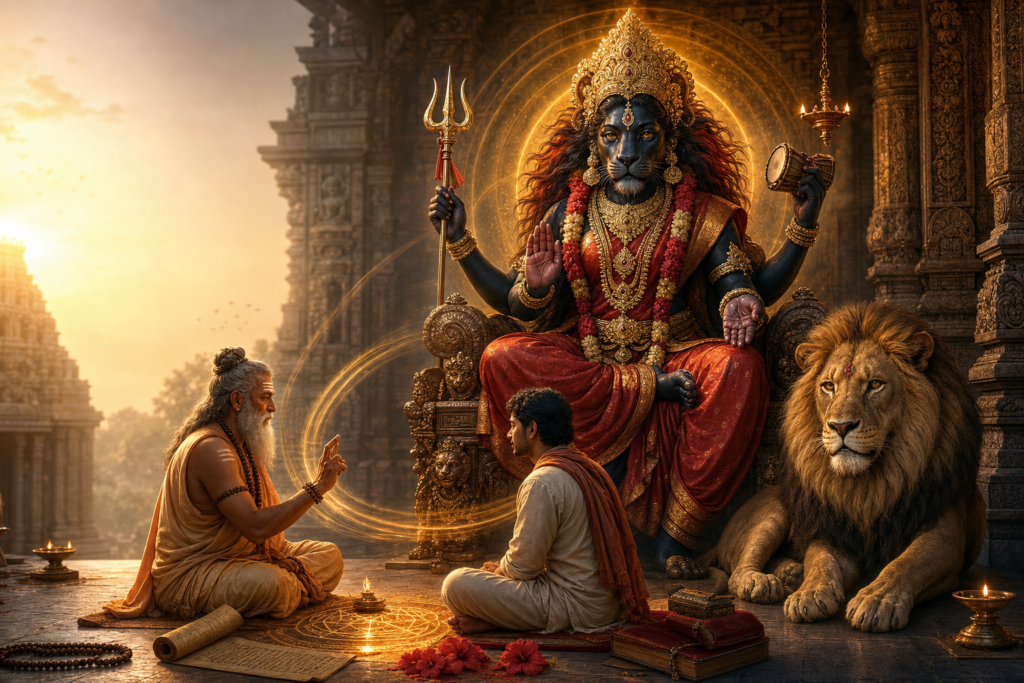
Chandika Navami in 2026 occurs on 11 April, coinciding with Krishna Paksha Navami in the Chaitra month as followed in Marathi, Gujarati, Kannada, and Telugu Amanta calendars; in several Purnimanta traditions, the same observance aligns with Bhadrapada Krishna Paksha Navami. This day is dedicated to Chandika Devi (Maa Chandi), revered as a dynamic confluence of Mahakali, Mahalakshmi, and Mahasaraswati within the Devi Mahatmyam (Durga Saptashati) tradition of the Hindu calendar.
Chandika Devi represents decisive, protective, and benevolent Shakti. The title Chandika in the scriptures underscores the Goddess as both fierce and compassionateremoving inner obstacles, restoring order, and granting clarity. Devotees approach this Navami to invoke protection, strength, and unwavering resolve through Chandi Puja grounded in Vedic and Puranic practice.
It is important to distinguish Chandika Navami from the Maha Navami that culminates Sharadiya Navaratri. While Maha Navami celebrates the victorious apex of the nine-night festival in Ashwin, Chandika Navami is a focused Krishna Paksha Navami observance in Chaitra (or Bhadrapada by other month conventions) dedicated specifically to Chandika Devi and the Chandi Path tradition.
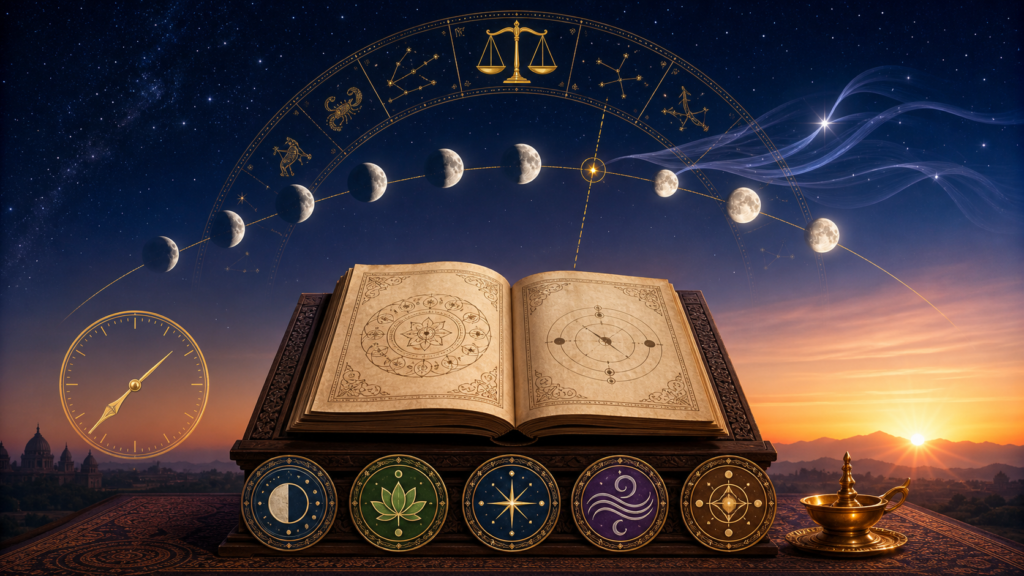
Technically, a tithi is defined by the angular separation between the Moon and the Sun, each tithi spanning 12 degrees. Navami begins when the lunar elongation from the Sun reaches 96 degrees and ends at 108 degrees. Because a tithi may start or end at any time of the civil day and can straddle two consecutive dates, local Panchang consultation is essential to identify the exact Navami span in one’s time zone and to time the core Chandi Puja within the Navami window.
The calendar variation across regions stems from the two principal month-reckoning systems: the Amanta convention (month ends on Amavasya) used in large parts of western and southern India, and the Purnimanta convention (month ends on Purnima) prevalent in much of northern India. As a result, the same lunar day appears under different month nameshence Chaitra Krishna Navami in Amanta almanacs and Bhadrapada Krishna Navami in certain Purnimanta almanacswhile the underlying tithi remains the same.
Scripturally, the Devi Mahatmyam in the Markandeya Purana forms the canonical backbone for Chandi worship. Its three major episodes are associated with Mahakali, Mahalakshmi, and Mahasaraswati, framing Chandika as the integrated, triumphant Shakti that subdues adharma. The tradition emphasizes both textual recitation (patha) and contemplative worship that harmonize devotion, discipline, and insight.
For spiritual intent, Chandika Navami centers on transforming restlessness into clarity, fear into fearlessness, and disorder into inner equipoise. Devotees often describe this observance as a turning point that re-anchors daily life in dharma, nourishes household harmony, and brings a renewed sense of protection and purposeoutcomes that align with the perennial ideals of Sanatana Dharma.
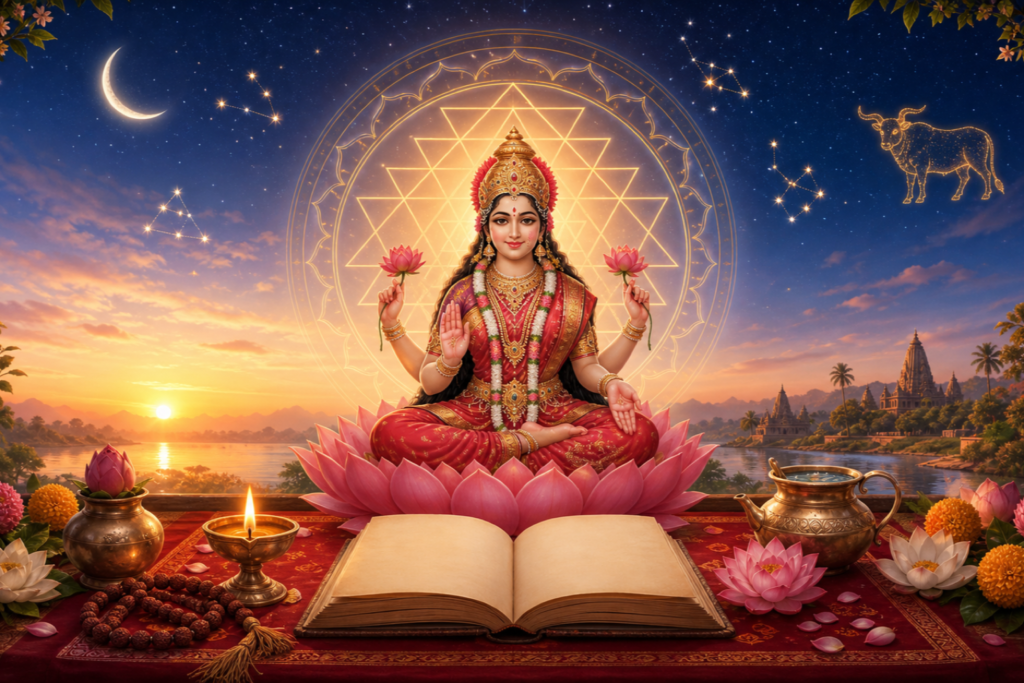
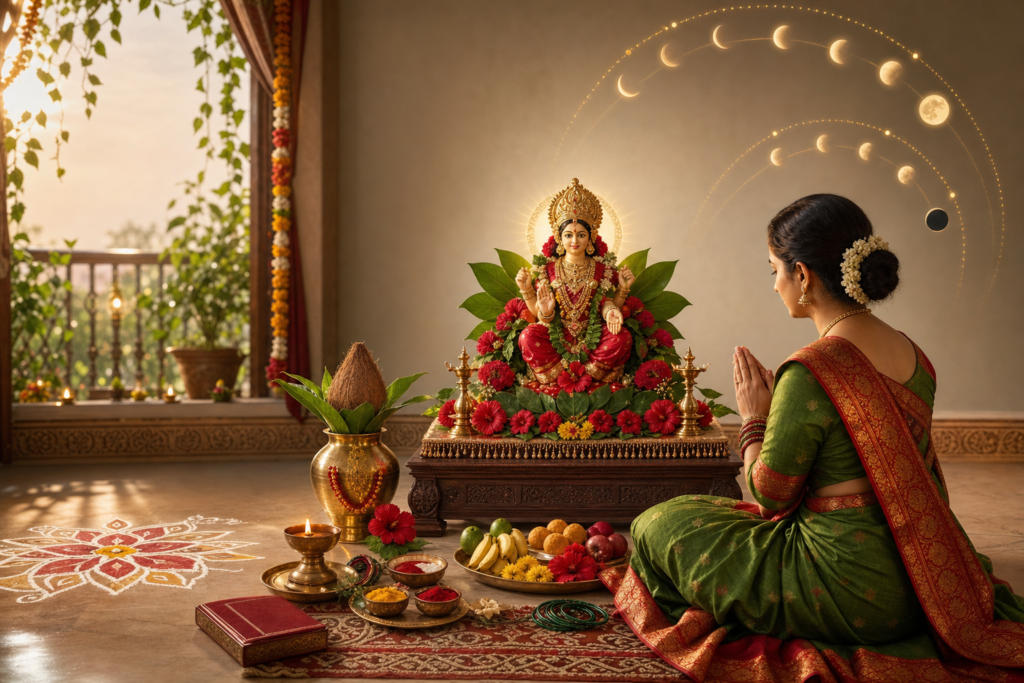
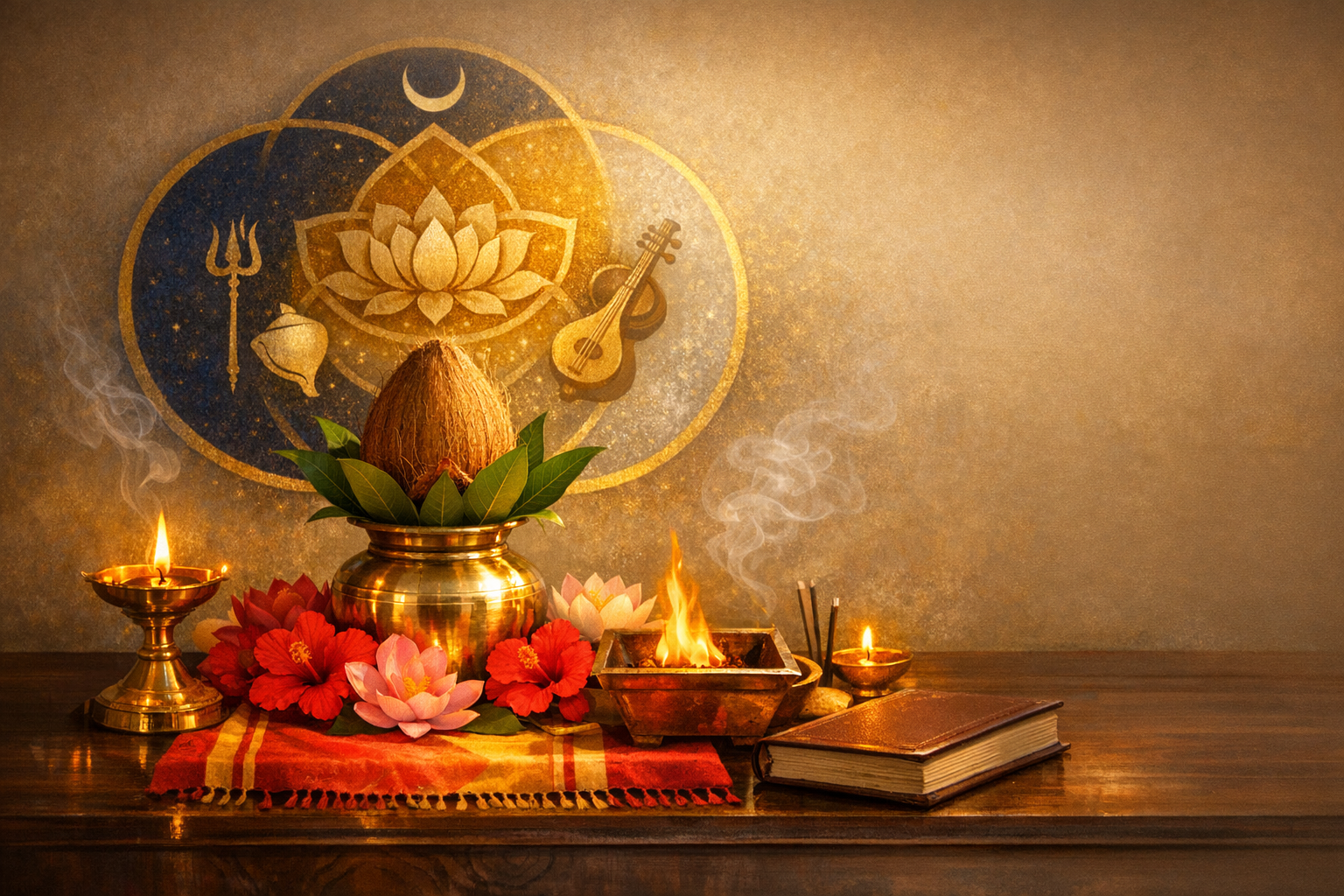
Preparations for Chandi Puja typically begin with purifying the space and oneself, arranging a clean altar on a red or yellow cloth, and placing an image or yantra of the Goddess along with a kalasha (ritual pot) filled with sanctified water, mango leaves, and a coconut. Flowers (especially red hibiscus or lotus), incense, deepa (lamps), and sattvic naivedya are kept ready to support the sequence of worship described in the Hindu scriptures and Grihya traditions.
A clear sankalpa (intention) is taken at the beginning, stating the date, tithi, and purpose of the observance for the well-being of oneself, family, community, and the wider world. Simple achamana and pranayama can be performed to settle the mind, followed by preliminary invocations of Ganapati, the Guru parampara, and the Matrikas, along with a brief Navagraha shanti as customary in many households.
The heart of Chandika Navami is Chandi Archana anchored in the Devi Mahatmyam. Many undertake a full recital that includes the Kavacha, Argala, and Keelaka stotras along with the 13 chapters (700 verses). When a full patha is not feasible, devotees often recite select portions with attention, or focus on meditative reading of the core episodes while maintaining the bhava of surrender and reverence expressed in the text.
A widely practiced centerpiece is japa of the Navarna Mantra: Om Aim Hrim Klim Chamundayai Vicche. This nine-letter mantra embodies the integrative power of Chandika and is recited in counts of 108, 500, or 1000 according to time and capacity. Japa is performed with a clean mind and steady posture, synchronizing breath and sound to cultivate one-pointed awareness and the protective aura traditionally associated with this mantra.
Where guidance and facility allow, a Chandi Homa may be conducted with due mantras and offerings in the agni-kunda. In home settings, a simplified homa with ghee and samidhas may be offered after mantra recitation, concluding with shanti mantras and prostrations. For safety, homa should be done only under proper instruction or at temples, as elaborate ritual sequences in the Chandi tradition are precise and best upheld with care.
Offerings to the Goddess customarily include red or white flowers, kumkum, turmeric, sandal paste, incense, and a clarified-butter lamp. Naivedya may be simple and sattvickheer, milk sweets, seasonal fruits, or jaggery-based preparationsfollowed by karpura-arati and pushpanjali. Eco-friendly materials and biodegradable items are encouraged to honor the dharmic principle of ahimsa toward nature.
Many observe a vrata on Chandika Navami, maintaining a sattvic diet and avoiding rajasic and tamasic foods. The fast is commonly observed from sunrise and concluded after the Navami Puja, though local and familial traditions vary. Those with health considerations, elders, and expectant mothers are traditionally advised to follow gentle dietary discipline or symbolic fasting while keeping the spirit of the observance intact.
Since tithi timing is paramount, the core worship is ideally performed while the Navami tithi prevails. If the tithi spans odd hours, many plan the puja to ensure the main mantra recitation and pushpanjali fall within Navami. In the absence of exact muhurta calculations, a trusted local Panchang or guidance from a temple priest can provide practical clarity tailored to the region and time zone.
In temples and community centers, Chandika Navami may feature collective Chandi Path, kumari puja in some traditions, and common arati. Annadanam, distribution of fruits, or support for community kitchens are also undertaken, aligning ritual devotion with seva. Such shared observances reinforce community cohesion and the inclusive spirit of India’s spiritual heritage.
Regional practice subtly enriches this Navami. In Bengal and Odisha, for instance, the Chandi literary and devotional heritage (including Chandi Mangal traditions) deepens the day’s aesthetic and musical dimensions. In Maharashtra, Gujarat, Karnataka, Andhra Pradesh, and Telangana, the Amanta calendar logic shapes the month-name, yet the devotional coreChandi Puja on Krishna Paksha Navamiremains consistent across regions.
Beyond ritual mechanics, devotees value Chandika Navami for its lived outcomes. The discipline of mantra japa and patha is associated with mental steadiness, resilience in adversity, and ethical clarity in decision-making. Many households narrate how a regular Chandi Path rhythmically reorients family life to dharma, helping transform friction into cooperation and anxiety into purposeful calm.
In the broader dharmic family, the reverence for protective and liberating Shakti finds resonances that nurture unity. Sikh tradition preserves powerful hymns like Chandi di Vaar in the Dasam Granth, celebrating courage and righteousness. Buddhist traditions venerate forms such as Tara and the wisdom of Prajnaparamita, while Jain practice honors protective yakshi figures like Ambika. These distinct yet harmonizing streams reflect a shared civilizational intuition: the triumph of wisdom and compassion over inner and outer obstacles.
Ethically, Chandika Navami orients practitioners toward ahimsa, satya, and dananon-harm, truthfulness, and generosity. Using natural offerings, minimizing waste, and remembering those in need during the observance embody the dharma that the mantra invokes. In this way, the liturgical and the lived complement each other, making the day’s worship both spiritually elevating and socially grounded.
Common clarifications include the distinction from Sharadiya Maha Navami, already noted, as well as questions about eligibility and methods. Both women and men may undertake Chandi Puja and Navarna Mantra japa with sincerity and respect for tradition. Those new to Devi Mahatmyam can begin with guided readings, gradually learning nyasa and ancillary stotras, while maintaining humility and care in pronunciation and procedure.
A practical 2026 checklist helps: confirm the local Navami tithi window for 11 April, prepare a clean altar with kalasha, gather flowers and sattvic naivedya, plan the sequence (Ganesha and Guru invocations, Devi Mahatmyam or selected chapters, Navarna Mantra japa), and conclude with arati, shanti mantras, and sharing of prasada. If participating in a temple homa, arrive early, maintain meditative silence, and align personal sankalpa with the collective puja.
Observed with attention to tithi, textual fidelity, and an open heart, Chandika Navami in 2026 offers a profound opportunity to invoke Maa Chandi’s protection and grace. Anchored in the Panchang and enlivened by Devi Mahatmyam, the day affirms unity in diversity across India’s dharmic traditions, and invites every seeker to cultivate courage, compassion, and clarity in service of the common good.
Inspired by this post on Hindu Pad.