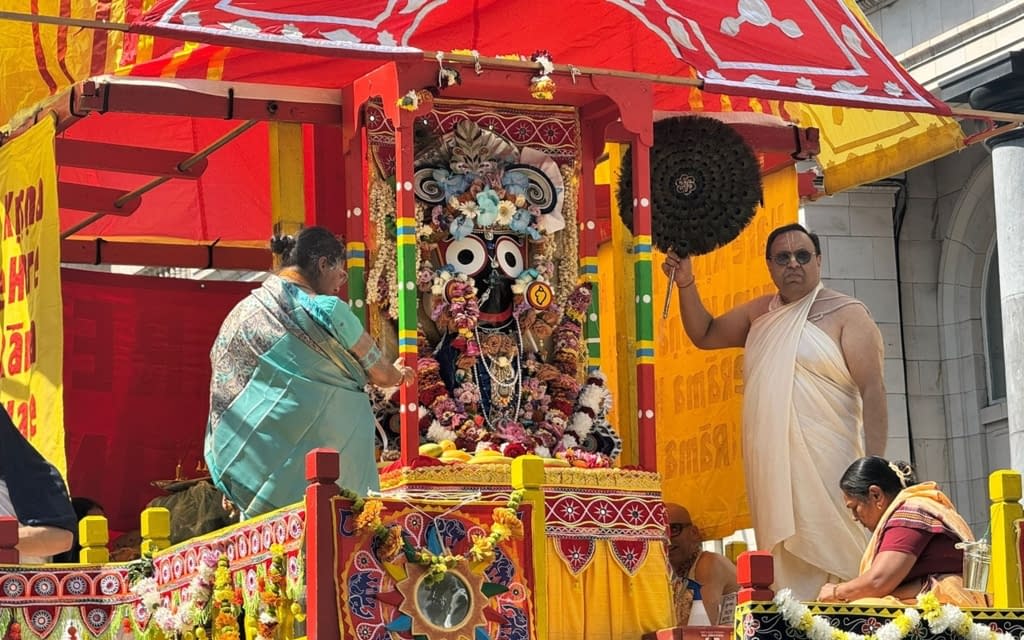
Narayani Mata Mandir near Amanbagh in Alwar, Rajasthan, stands as a revered center of devotion to Ma Narayani and a living testament to India’s cultural heritage. Recognized among notable Hindu temples in India, the shrine draws pilgrims who seek darshan, quiet reflection, and a connection to centuries-old practices rooted in bhakti and seva. Its location in the Alwar region places it within a broader landscape of sacred sites that celebrate the shared spiritual values of compassion, harmony, and inner transformation.
In addition to the celebrated temple in Rajasthan, there is a second Narayani Mata Temple in Lonavala, Maharashtra. Together, these two shrines provide devotees and cultural travelers with a meaningful continuity of worship across regions, reflecting the depth and spread of Ma Narayani’s veneration. Many visitors consider journeys between Alwar and Lonavala part of a wider pilgrimage tradition that links communities and reinforces interregional cultural bonds.
Historically, Narayani Mata devotion has been associated with members of the Sain Samaj, while remaining open and welcoming to all seekers. This inclusive ethos resonates with the core values shared across dharmic traditions—Hinduism, Buddhism, Jainism, and Sikhism—where reverence for truth, non-violence, service, and unity guide practice. The temple’s community-oriented spirit thus extends beyond any single group, nurturing a sense of shared heritage and mutual respect.
Visitors often note the calm atmosphere and the gentle rhythm of worship—lighting lamps, offering prayers, and joining devotional singing—that fosters both personal reflection and communal harmony. The setting in Rajasthan’s Aravalli environs lends the site a contemplative quality, encouraging mindful presence and a renewed appreciation for India’s spiritual diversity. Such experiences align with a broader Hindu pilgrimage tradition that values inner stillness alongside collective celebration.
As a custodian of cultural memory, Narayani Mata Mandir contributes to the preservation of intangible heritage while inviting thoughtful engagement with history and practice. Participation in local observances, community-led service, and respectful dialogue across traditions all strengthen the temple’s role as a bridge between regions and communities. For those interested in temple history, Hindu pilgrimage, and the cultural narratives of Rajasthan, the shrine offers a meaningful and accessible point of entry.
Inspired by this post on Hindu Pad.