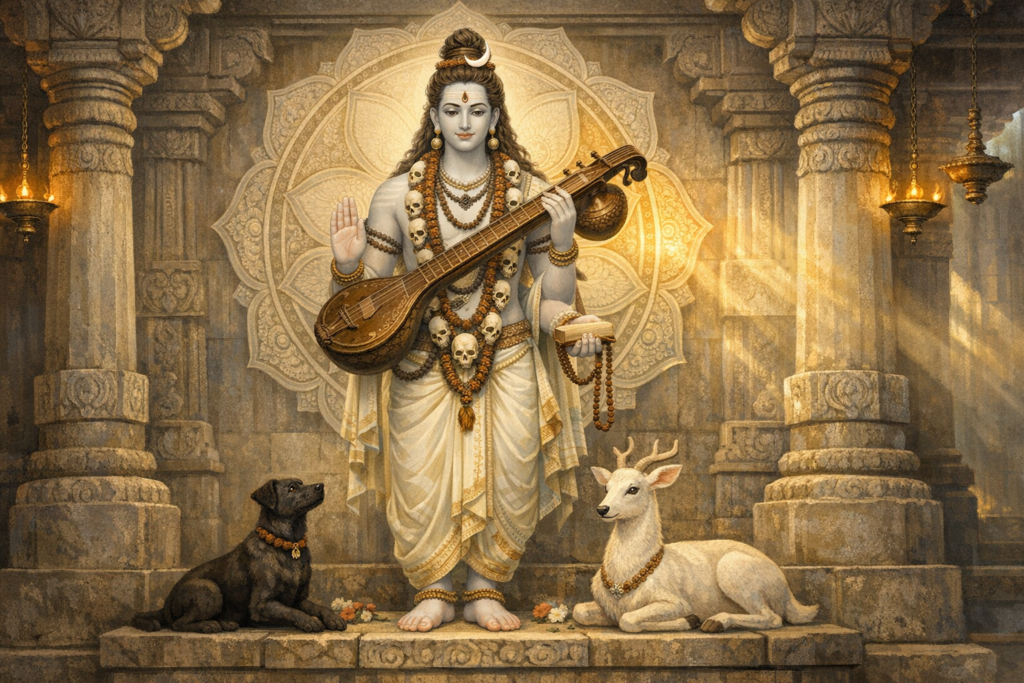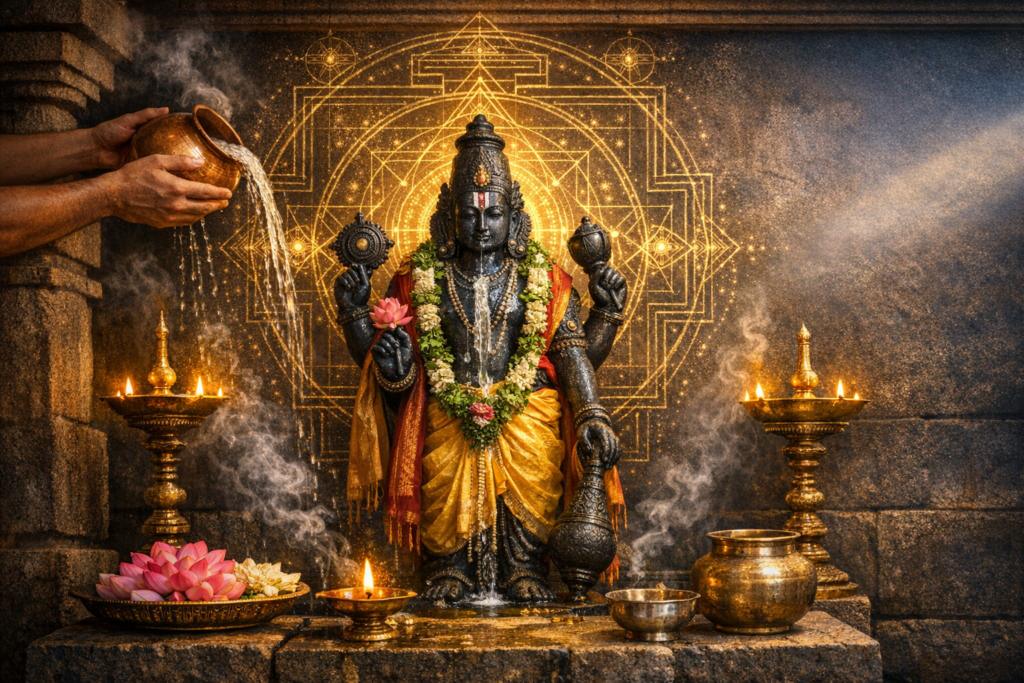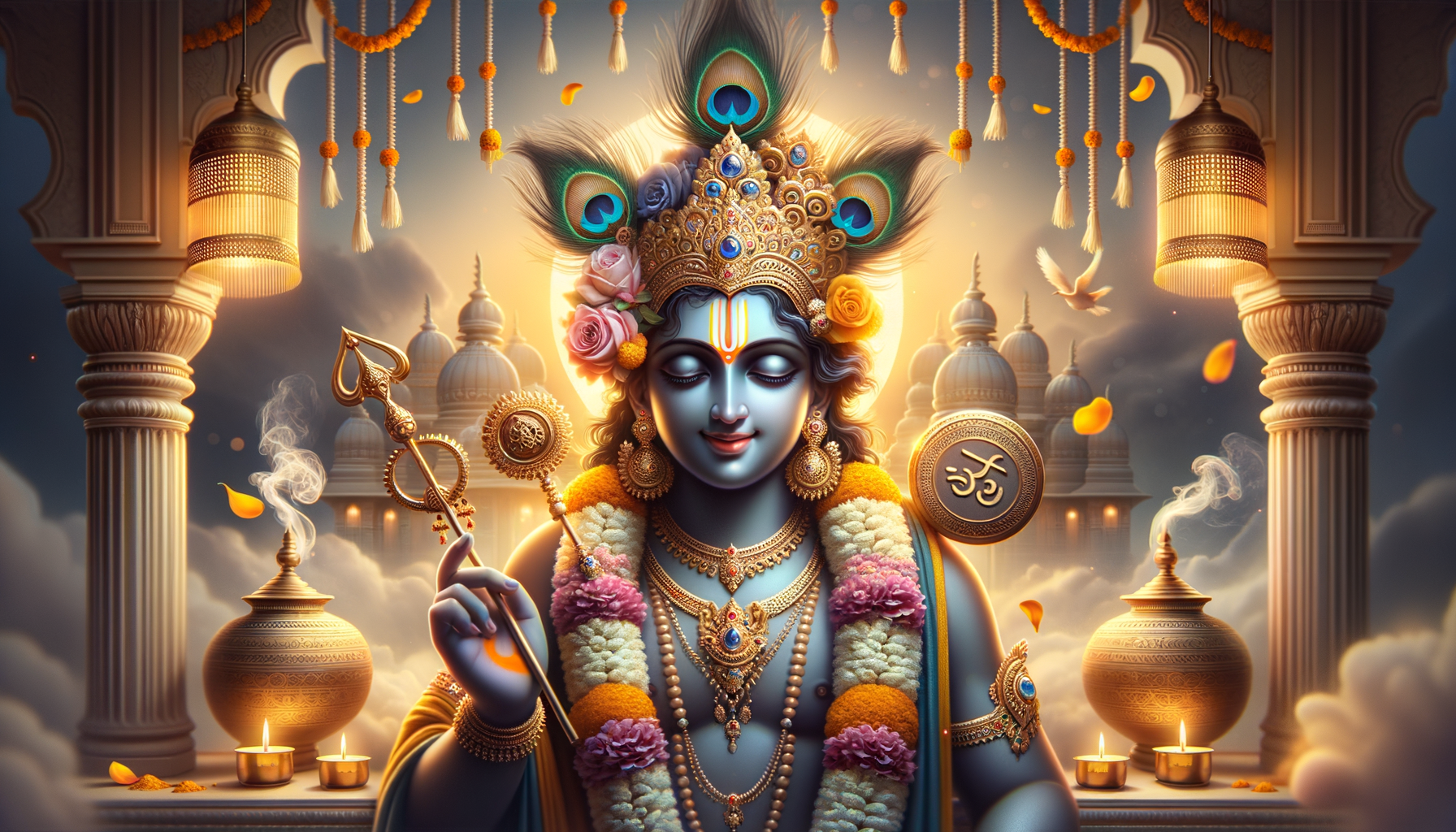
Khatushyam, revered across northern and western India, is traditionally identified with Barbarika, the mighty son of Ghatotkacha and Mourvi. Known affectionately as Shyam Baba and Khatushyamji Baliyadev, this deity is venerated by devotees as a compassionate protector and guide in Kaliyuga. The devotion centers on a profound promise of refuge, courage, and moral clarity for those seeking solace and strength.
Epic tradition situates Barbarika within the Mahabharata lineage—grandson of Bhima—renowned for extraordinary valor and an unwavering vow to support the side that faces defeat. In the widely held legend, after offering his head in devotion, he received the blessing to be worshipped in Kaliyuga as Shyam, embodying the qualities of fearlessness, compassion, and surrender (samarpan). This synthesis of heroism and humility underpins his enduring appeal.
Khatushyam’s principal shrine stands in Khatu, Sikar district, Rajasthan, drawing pilgrims throughout the year, with a remarkable surge during the Phalgun Mela. The devotional stream extends deeply into Gujarat, where the form Khatushyamji Baliyadev resonates through bhajans, kirtans, and community gatherings. Pilgrims often speak of an atmosphere suffused with karuṇā (compassion) and virā (valor), reflecting a living heritage that bridges epic memory and everyday faith.
In practice, the Khatushyam tradition intertwines personal vows, communal service, and musical devotion. Shyam Baba’s worship is frequently experienced as a gentle yet firm moral compass—guiding choices, steadying emotions, and inspiring charitable action. Devotees describe a felt sense of protection and clarity, particularly during life’s thresholds: new ventures, difficult decisions, and moments demanding courage with humility.
The significance of Khatushyam also illuminates a broader dharmic ethos. The virtues associated with Shyam Baba—non-harm, compassion, truthful action, and self-offering—align with core values cherished across Hinduism, Buddhism, Jainism, and Sikhism. This shared moral grammar fosters interfaith harmony within the dharmic family, nurturing unity-in-diversity while honoring distinct paths of practice and realization.
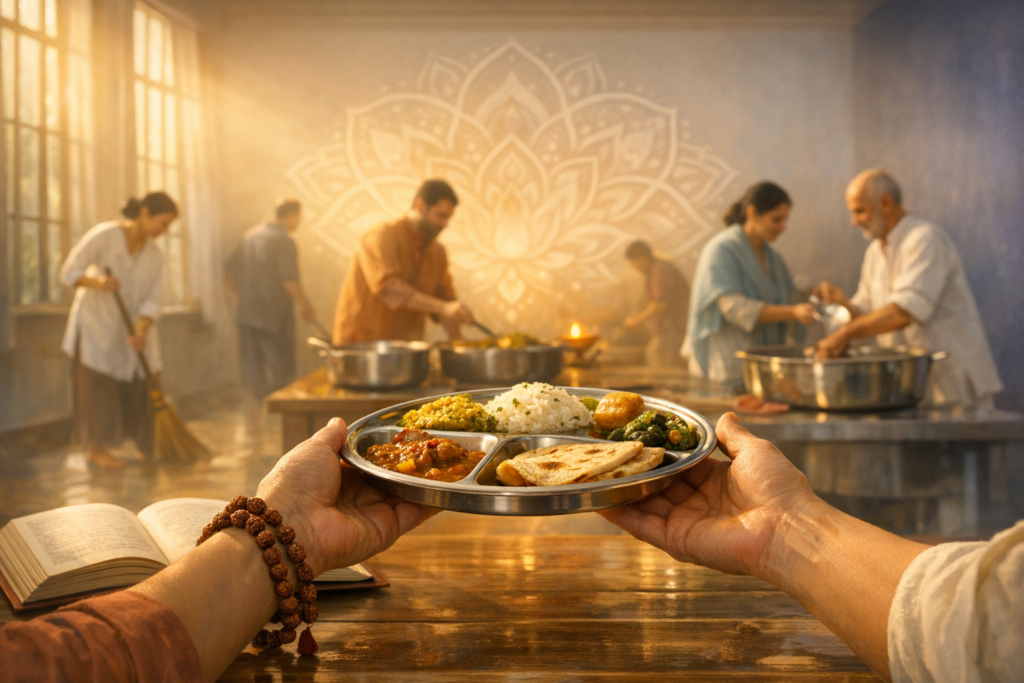
From an academic perspective, Khatushyam devotion offers a rich window into cultural continuity: a Mahabharata lineage reshaped into accessible Kaliyuga worship; a local Rajasthan-Gujarat pilgrimage blossoming into nationwide bhakti; and a narrative of heroic resolve softened by compassionate refuge. The tradition sustains community bonds through seva (service), bhandara (shared meals), and inclusive kirtan, reinforcing social cohesion alongside spiritual aspiration.
As a living legacy of bhakti, Khatushyam stands at the confluence of epic memory, temple culture, and everyday ethics. Whether encountered in Khatu’s sanctum or through the voices of devotees across Gujarat and beyond, Shyam Baba symbolizes steadfast support for the vulnerable and a reminder that strength finds its highest expression in compassionate surrender. This synthesis continues to inspire seekers toward inner resilience, ethical clarity, and dharmic unity.
Inspired by this post on Hindu Pad.