“Is there consciousness within me?”—this perennial question, raised in Satsang to Sri Sri Ravishankar (Founder of Art of Living), receives a clear and practical reply: the very capacity to ask, to listen, and to comprehend already demonstrates consciousness. If there were no awareness, there would be no questioning, no hearing, and no knowing. This simple yet rigorous observation serves as an accessible entry point into Hindu philosophy and the experiential science of awareness.
Viewed through an academic lens, the response highlights a self-evident criterion: consciousness is the precondition for all experience. It aligns with Upanishadic inquiry into the seer and the seen, where awareness (atman) is recognized not as an object but as the luminous condition that makes seeing, hearing, and thinking possible. Rather than abstract speculation, this is direct phenomenology—an immediate recognition validated by everyday observation.
This insight resonates across dharmic traditions. Buddhist mindfulness trains attention to notice the ever-present knowing quality of experience. Jain anekantavada encourages humility toward multiple perspectives that arise within the field of awareness. Sikh simran orients the mind toward remembrance, steadying attention in the midst of life’s activity. Despite diverse methods, these paths converge on the same ground: conscious presence as the basis of clarity, compassion, and right action.
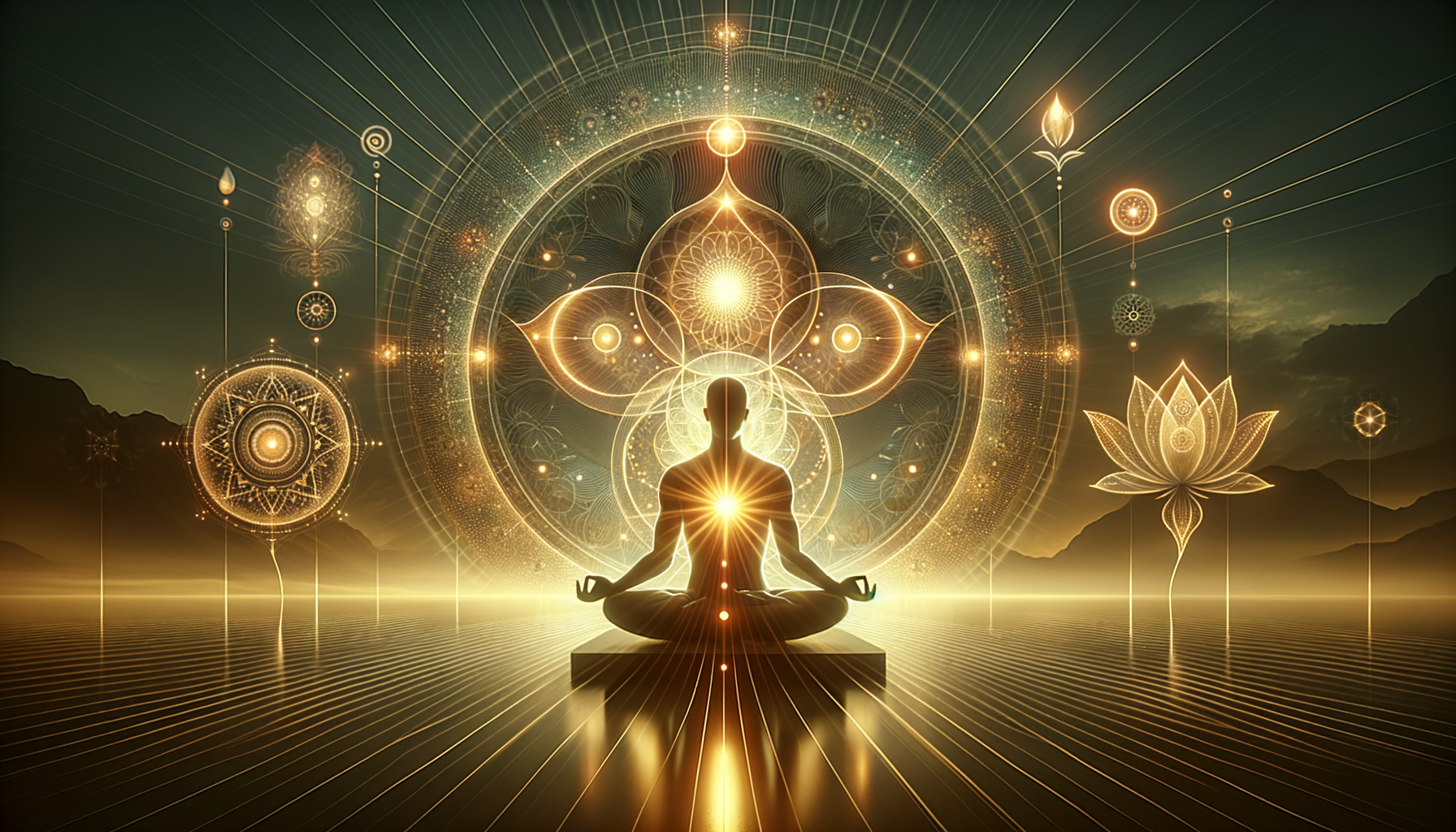
Practical verification begins with simple steps. In conscious breathing, each inhalation and exhalation can be noticed without strain. Sensory awareness—sounds, touch, and sight—appears within a silent, aware background that does not come and go with changing sensations. During Satsang or meditation, it becomes evident that attention moves, thoughts change, and emotions fluctuate, yet awareness itself remains constant. Yoga and meditation practices build on this observation, refining steadiness, insight, and well-being.
Emotionally, recognizing ever-present awareness brings calmness and resilience. Anxiety often springs from identifying exclusively with passing thoughts and feelings; noticing the stable, aware presence softens reactivity and restores balance. This shift supports ethical sensitivity—ahimsa, compassion, and responsibility—by creating a spaciousness in which wise responses can emerge instead of impulsive reactions.
For daily integration, brief contemplations are effective: pause periodically, feel the breath, notice sounds, and then observe that which is aware of all noticing. In challenging moments, quietly acknowledge, “Awareness is here.” Over time, this cultivates equipoise and insight. In the language of contemporary seekers, such reflections are often shared as concise quotes on consciousness within us, not as slogans but as reminders to return to what is directly present.
Ultimately, this teaching affirms unity in spiritual diversity. Hindu, Buddhist, Jain, and Sikh traditions offer complementary methods, yet none contradict the foundational recognition that awareness is common to all. Honoring this shared core strengthens interfaith harmony within the dharmic family, encouraging a culture where multiple paths support one another in the pursuit of truth, well-being, and liberation.
Inspired by this post on Hindu Pad.