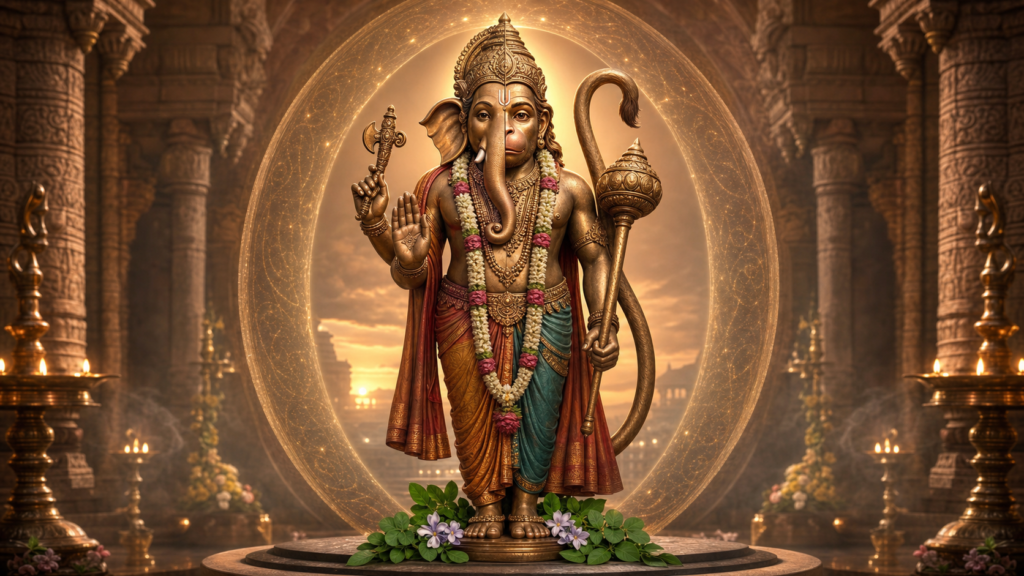
जानिये आपके इष्ट देव कौन है.. आपकी लग्न कुंडली मैं पंचम भाव का स्वामी गृह (पंचमेश ) आपके इष्ट देव है ! चाहे लाख दोष हो आपकी कुंडली मैं …गृह अच्छा फल नहीं दे रहे हो ….तो आप अपने इष्ट देव की आराधना करिये ! उनकी आराधना , उपासना , वंदना, पूजा करने से आपके […]
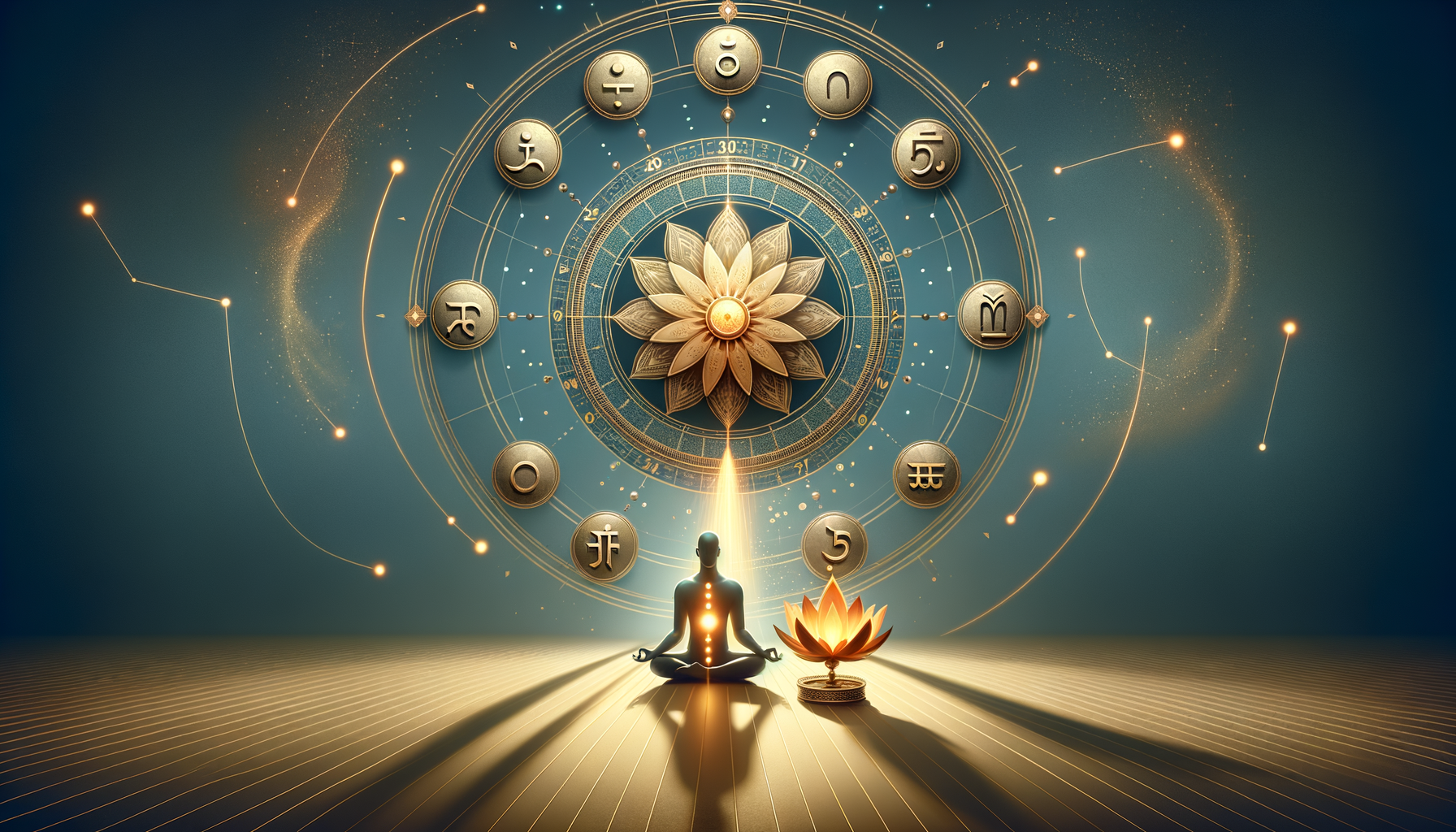
This traditional Jyotish insight links Ishtadevata with the Pancham Bhava (5th house) through its lord, the Panchamesh. In Vedic astrology, the 5th house governs purva-punya (past merit), mantra-shakti, devotion, and the capacity for focused sadhana. Therefore, reading the Ishtadevata symbolically through the Panchamesh aligns one’s spiritual practice with the chart’s innate devotional circuitry, especially when navigating doshas or challenging planetary periods.
Practically, the approach is straightforward: identify the Lagna (Ascendant), locate the 5th house, and determine its lord (Panchamesh). Then contemplate the guna, qualities, and archetypal impulse of that graha. Align upasana accordinglyaradhana, vandana, japa, meditation, svadhyaya, and sevaso that bhakti and inner discipline (sadhana) resonate with the natal promise. Such steady devotion does not negate karma but refines response, deepens peace, and fosters ethical clarity.
Across the Dharmic traditions of Hinduism, Buddhism, Jainism, and Sikhism, this principle translates as honoring a chosen idealpersonal deity, Buddha, Tirthankara, or the Ik Onkar/Naamas a compassionate focal point. The Pancham Bhava can be read as a lens for one’s devotional or contemplative style: solar steadiness and responsibility, lunar compassion and calm, martial courage and tapas, mercurial study and mantra articulation, jovian wisdom and satsang, venereal gratitude and aesthetic refinement, and saturnine perseverance and service to the vulnerable. When nodes (Rahu/Ketu) influence the 5th, transformative practices are best undertaken with qualified guidance.
Classical Jyotish also preserves other diagnostics (e.g., assessments via Karakamsa or the 12th house). The Pancham Bhava perspective complements these methods by foregrounding mantra and devotion. In all cases, the inclusive Dharmic ethos remains the same: multiple valid pathways can guide seekers toward inner harmony, compassion, and wisdom, without imposing a singular form or doctrine.
For many practitioners, returning to Ishtadevataespecially when “गृह अच्छा फल नहीं दे रहे हो”provides stability and solace. Regular upasana aligned with the Panchamesh nurtures mental clarity, fortifies resilience, and harmonizes daily life with spiritual intent. Respecting Kula Devata and family traditions while honoring the personal Ishta sustains both continuity and individuality, strengthening unity across diverse spiritual lineages.
In this way, “Lagna ke anusar aapki Ishtadevta” becomes more than a rule of thumb in Vedic astrology; it becomes a compassionate framework for livingencouraging seekers to cultivate devotion that is authentic, plural, and deeply rooted in the shared values of the Dharmic family.
Inspired by this post on Hindu Pad.