पितृ ऋण के कारण, पितृ ऋण के कारण, कैसे बनते है पितृ ऋण, क्या होता है पितृ ऋण? Pitru Runa Kaaran in Hindi.
Within Sanatana Dharma, Pitru Runa (ancestral debt) is understood as an ethical-spiritual responsibility toward one’s lineage. Rather than a fatalistic label, it serves as a reflective framework for honoring ancestors, sustaining family values, and strengthening intergenerational harmony across dharmic traditions, including Hinduism, Buddhism, Jainism, and Sikhism.
Classical explanations describe Pitru Runa as arising when ancestral duties are neglectedsuch as forgetting remembrance rituals, disregarding elders, or severing ties with family wisdom. In a broader moral sense, persistent ingratitude, harmful actions that fracture the family fabric, or unresolved intergenerational grief may also be viewed as contributing causes in traditional discourse.
पितृ ऋण के कारण व्यक्ति को मान प्रतिष्ठा के अभाव से पीड़ित होने के साथ-साथ संतान की ओर से कष्ट संतानाभाव संतान का स्वास्यि खराब होने या संतान का सदैव बुरी संगति जैसी अनुभूतियाँ लोकजीवन में उल्लेखित हैं. In lived experience, families often report patterns such as strained respect within the community, distress around children’s wellbeing, or recurring obstacles in family cohesionsignals that invite reflection rather than fear.
From a Jyotish perspective, some schools examine ancestral themes through the ninth house, the Sun, and Ketu, while remaining cautious to avoid determinism. Such indications are read contextually and ethically, encouraging remedies that cultivate gratitude, service, and reconciliation rather than anxiety.
Compassionate paths to address Pitru Runa emphasize dharmic unity and shared values. In Hindu practice, Shraddha and acts of seva toward elders are highlighted; Sikh tradition affirms seva and community well-being; Buddhist reflections encourage maitri and karuna to heal intergenerational hurt; Jain practices such as Pratikraman and Samayik support inner accountability. These approaches converge on remembrance, ethical living, and compassionate service.
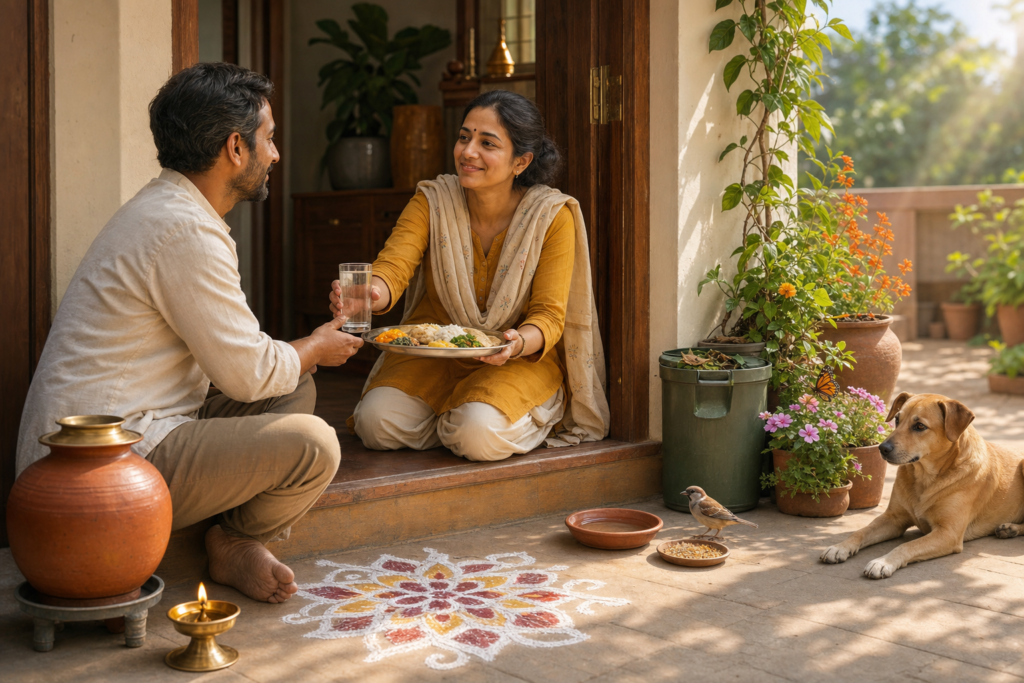
Practical steps include documenting family oral histories, expressing gratitude to parents and elders, supporting the education and health of children, and offering food or assistance to those in need in the name of one’s ancestors. Planting trees, contributing to community kitchens, or sponsoring healthcare camps are often embraced as sustainable, inclusive offerings aligned with dharmic ethics.
Modern family wellness complements tradition: open dialogue, mentoring for youth, and where needed, counseling help resolve long-standing patterns. This balanced approach respects Jyotish insights while empowering families with actionable, humane choices that build resilience.
In essence, Pitru Runa is less a burden and more a gentle invitation to restore continuityhonoring those who came before, nurturing those who are here now, and blessing those yet to come. Approached with clarity and compassion, it becomes a path to dignity, unity, and enduring well-being.
Inspired by this post on Hindu Pad.