Vimana, in the broadest sense, denotes aerial chariots or sky-borne vehicles referenced across Hindu scriptures, while Pushpaka Vimana stands as the most celebrated exemplar. Hindu textsespecially the Ramayana and several Puranas, with antecedents in early Vedic imaginationdepict the Pushpaka as a radiant, self-moving conveyance endowed with extraordinary capabilities and a purpose inseparable from dharma.
Tradition associates Pushpaka Vimana with Lord Kubera, the guardian of wealth and order, before its seizure by Ravana. In the Ramayana, it ultimately becomes the vehicle that returns Sri Rama, Sita, and Lakshmana to Ayodhya, symbolically restoring moral balance. Descriptions emphasize boundless capacity and effortless motion, often conveying that it could accommodate multitudesan image of abundance and inclusion that resonates with the ideal of universal welfare.
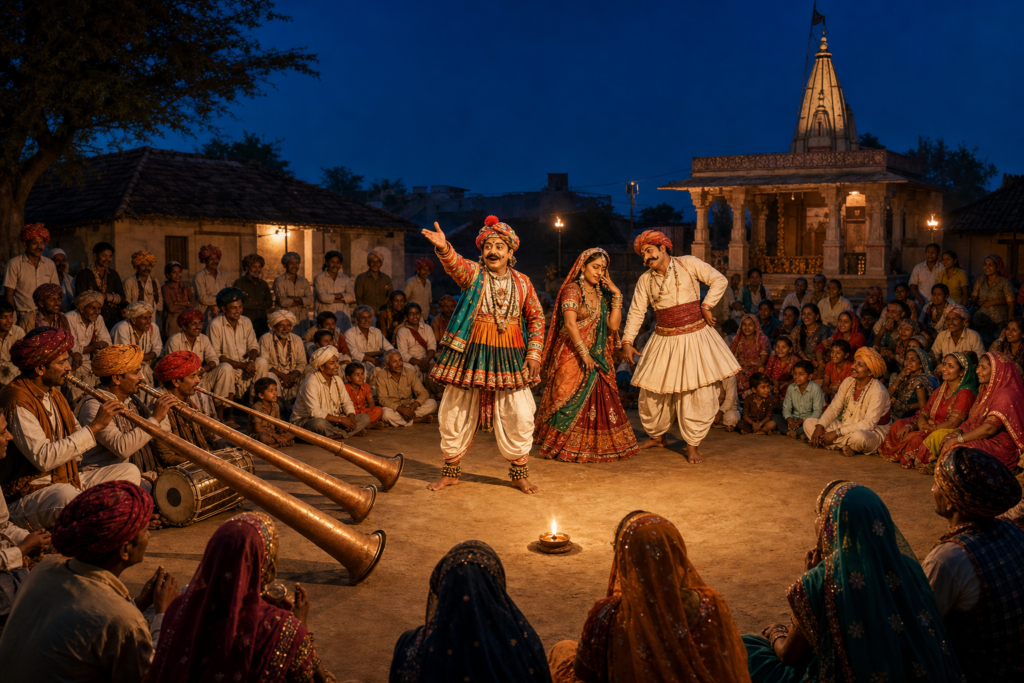
The narrative functions at several levels. Historically and textually, it anchors readers in the Ramayana and Puranic corpus; culturally, it evokes a shared memory carried through retellings, temple arts, and regional performances. Symbolically, Pushpaka Vimana illustrates the ethical trajectory of power: under adharma, extraordinary means become instruments of domination; under dharma, the same means serve restoration, care, and rightful order.
Key motifs attributed to Pushpaka Vimana include autonomous motion, dazzling luminosity, aesthetic refinement (its very name evokes a “flowery” elegance), and the ability to traverse great distances swiftly. These attributes are less a technical blueprint and more a philosophical framework: technology and capability achieve their fullest meaning only when harmonized with responsibility, humility, and righteous intent.
Viewed through a dharmic lens, the Pushpaka account affirms values shared across Hinduism, Buddhism, Jainism, and Sikhism. In Buddhism, the Vimanavatthu preserves accounts of celestial mansions (vimāna) linked to ethical action; in Jain traditions, vimanas are heavenly abodes reminding seekers of spiritual ascent; Sikh teachings similarly elevate the primacy of virtue-guided living over mere power. Together, these perspectives underscore a unifying insight: true elevationwhether moral, spiritual, or civilizationalrests on dharma-aligned conduct.
For many households, the image of Pushpaka returning to Ayodhya retains an emotional charge, representing homecoming, reconciliation, and the safeguarding of community. The scene invites reflection on how society might harness knowledge, wealth, and innovation for collective well-being, much as the chariot becomes a means of compassionate return rather than conquest.
Approached academically and reverentially, Pushpaka Vimana offers more than mythic wonder. It invites careful reading of the Ramayana and Puranas, encourages comparative engagement with dharmic traditions, and inspires contemplation on the ethical horizons of human ingenuity. In uniting memory, meaning, and moral aspiration, the narrative continues to guide contemporary conversations about power, purpose, and responsibility.
Inspired by this post on Hindu Pad.