Ancient Indian epics present a finely nuanced vocabulary for martial excellence. Among these, the designations Maharatha and Atiratha stand out as markers of extraordinary valor and disciplined skill in the Mahabharata and, more broadly, in the martial ethos echoed by the Ramayana. Rather than ornamental titles, these categories function as ethical and strategic indicators of Kshatrawarriorhood aligned with Dharma-Yuddha, the righteous conduct of war.
In the Mahabharata’s narrative logic, warrior ranks communicate capabilities on the battlefield and responsibilities under dharma. The classification typically moves through ratha (able chariot-warrior), maharatha (exceptional warrior of independent impact), and atiratha (a peerless force whose prowess and command can alter the theater of war). While later commentarial traditions sometimes attach numerical measures to these ranks, the epic itself primarily uses the titles as qualitative descriptors of competence, composure, and command.
Maharatha denotes a warrior who demonstrates mastery across weapons, situational awareness, and the ability to engage multiple adversaries while protecting allies and formations. The term suggests not only individual skill but also reliabilitysteadiness under pressure, disciplined aggression, and strategic judgment that strengthens a unit’s cohesion.
Atiratha, by contrast, conveys a level beyond exceptionala warrior whose presence shapes the course of battle through superior technique, tactical foresight, psychological steadiness, and the capacity to withstand or neutralize high-intensity threats. In narrative practice, an atiratha often combines individual brilliance with command influence, turning personal prowess into collective advantage.
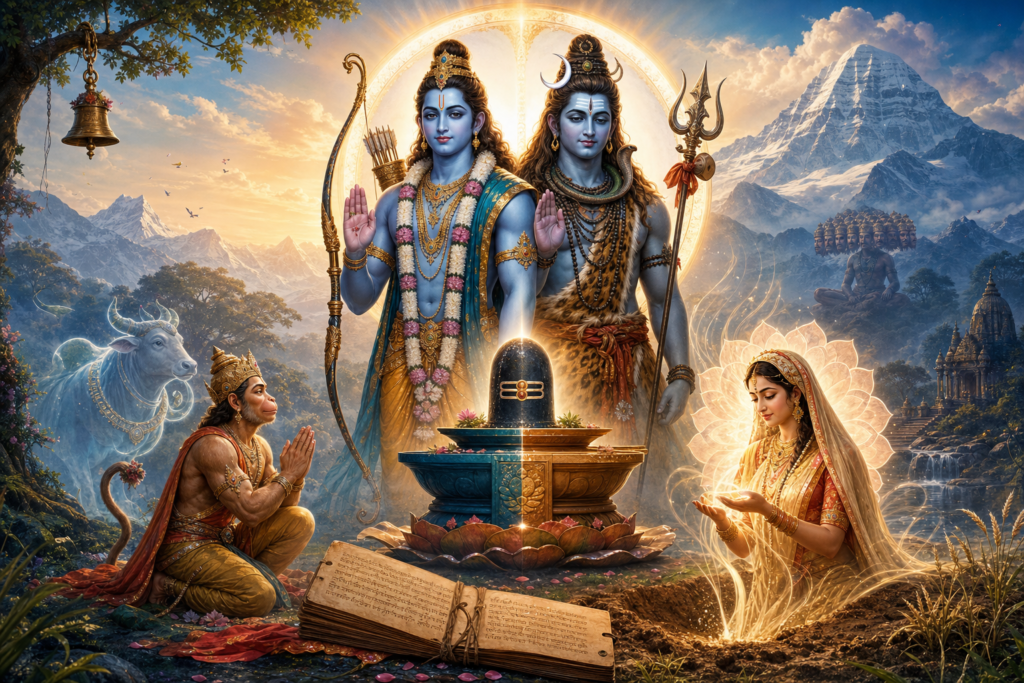
Epic dialogues, particularly in the Udyoga Parva, employ these categories to assess readiness and to counsel prudence. Figures such as Bhishma, Drona, and Arjuna are frequently situated at the highest tiers by tradition, not simply for technical skill but for the ethical gravity with which they carry Kshatra Dharma. The Ramayana resonates with the same ideal: martial excellence remains inseparable from moral restraint, protection of the vulnerable, and accountability to a larger order of righteousness.
Understanding the difference between Maharatha and Atiratha clarifies more than rank; it illuminates the epics’ pedagogy of character. A maharatha embodies disciplined competence; an atiratha embodies transformative leadership under dharma. Both ranks insist that strength without ethical alignment is incompletevalor must serve justice, truth, and societal protection.
Readers who encounter these terms often recall first impressions of temple murals, family recitations, or classroom readings in which names like Bhishma, Arjuna, or Karna became touchstones of courage. That personal memory mirrors the epics’ intent: these categories are meant to inspire inner steadiness, responsible action, and respect for the rightful boundaries of power.
Within the broader dharmic familyHinduism, Buddhism, Jainism, and Sikhismthe ethical core behind these ranks finds a shared echo. Commitment to restraint, defense of the innocent, and self-mastery are celebrated across traditions, even when expressed through different historical contexts and vocabularies. The epics’ language of warrior ranks thus becomes a bridge to a common ethos of courage guided by compassion and truth.
From a historical perspective, the terms also enrich the study of ancient Indian warfare and political thought. They reveal how martial classifications functioned as moral grammarorganizing battlefield behavior, leadership expectations, and collective responsibility. This lens sharpens readings of the Kurukshetra War and enhances appreciation of how the epics hold strategy and ethics in a single frame.
For contemporary readers, the takeaway is practical. The path from ratha to maharatha to atiratha, read metaphorically, maps a journey from skill acquisition to excellence to principled influence. In daily life, it invites cultivation of expertise, integrity under pressure, and service-oriented leadershiptimeless lessons encoded in the language of the Hindu epics.
Ultimately, Maharatha and Atiratha endure as ethical titles. They affirm that true power in the Mahabharata and Ramayana is never brute force alone; it is power tamed by dharma, calibrated by wisdom, and directed toward the welfare of all.
Inspired by this post on Hindu Blog.