“What is the use of a bowman’s arrow or a poet’s poetry if they penetrate the heart but do not cause the head to spin?” This evocative inquiry captures a classical aesthetic truth at the core of dharmic spirituality: authentic art and devotion should move both feeling and understanding. In other words, the most meaningful encounter with beauty and bhakti kindles tenderness in the heart and clarity in the mind.
Across Hinduism, Buddhism, Jainism, and Sikhism, sacred song and poetry function like the archer’s arrowprecise, transformative, and aimed at awakening. Bhajans, shabads, gathas, and stavans have long guided seekers toward a unity of emotion and discernment, where devotion (bhakti) harmonizes with insight (viveka, prajñā). When poetry truly “lands,” it does not merely soothe; it reorients perception and deepens understandingan experience both intimate and illuminating.
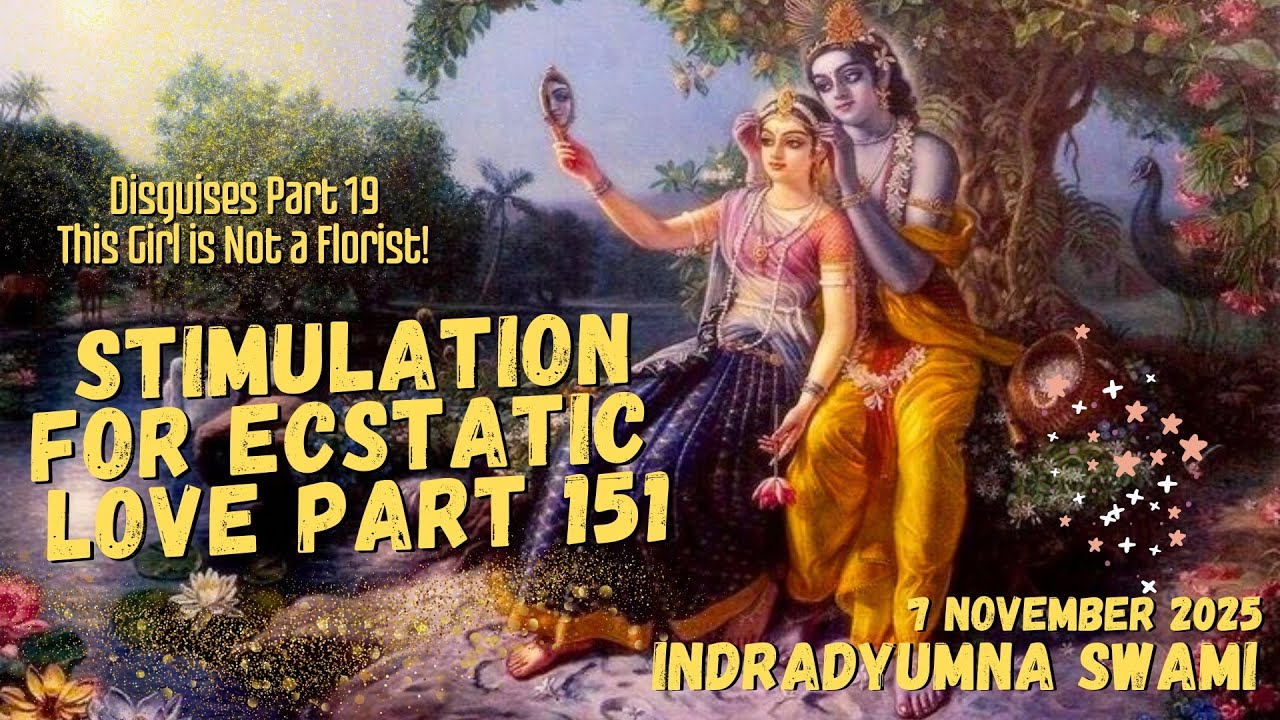
The motif of “Disguises”echoed in the playful line, “This Girl is Not a Florist!”invites a further reflection: devotion often appears in unexpected forms. What resembles ornament may conceal instruction; what looks like performance may transmit wisdom. In the language of dharma, appearances (māyā) can veer attention to the surface, while discernment reveals the fragrance beneath the flowerwhere love refines into learning and learning ripens into love.
Many readers will recognize the lived texture of this insight: a single verse that arrests attention, a line of kirtan that stills the breath, a shabad that alters the day’s direction. Such moments demonstrate the aphorism’s force. The “spinning of the head” is not confusion but reorientationan ethical and contemplative turn that aligns inner sentiment with outer action.
Historically, this unifying current flows through the Bhakti Tradition of Mirabai and Jayadeva, the luminous shabad-kīrtan of Guru Nanak, the contemplative cadences of Buddhist gāthās, and the austere beauty of Jain stavans. Despite doctrinal differences, these streams converge in a shared aspiration: devotion that elevates, clarifies, and connects. This is unity in spiritual pluralitydistinct forms, one purpose; diverse practices, one transformative aim.
Practical disciplines help the “arrow” reach its mark: svādhyāya (contemplative reading), mindful listening to bhajan or shabad, participation in satsang, and an ethic of ahimsa and dayā in daily conduct. These practices ensure that inspiration does not dissipate as sentiment alone; rather, it matures into insight and responsible actionan integration that strengthens personal resilience and communal harmony.
Ultimately, the enduring value of poetry and devotion lies in their power to awaken ecstatic love without abandoning intellectual rigor. When the heart is pierced and the mind is set in motion, devotion becomes a disciplined joy, and art becomes a vehicle of wisdom. In that synthesis, the dharmic traditions speak togethereach voice distinct, the song shared.
Inspired by this post on Dandavats.