Margashirsha maas (also known as Margashira masam) is recognized in the traditional Hindu calendar as the ninth lunar month and is widely regarded as deeply auspicious. Classical sources highlight its sanctity with the expression ‘Maasonam Margashirshoham, a phrase whose enduring transmission underscores the high esteem in which this period is held. In the Bhagavad Gita (10.35), Sri Krishna affirms the same sentiment by identifying with this month, thereby elevating its spiritual stature in the Vedic and Puranic imagination.
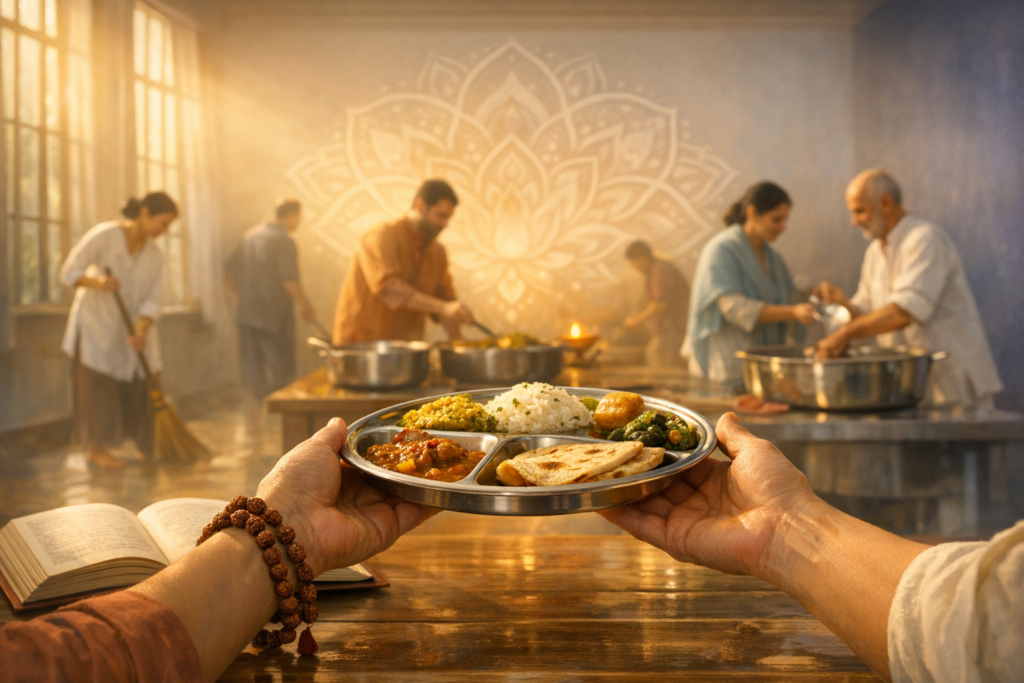
Grounded in the Bhagavad Gita and supported by Puranic references, Margashirsha maas is associated with clarity, devotion, and renewal. The declaration that “among months, I am Margashirsha” is understood, in an academic sense, to signal an ideal moment for sādhana—structured practice through japa, vrata, dāna, and mindful study. Across households, this period often evokes a calm rhythm of worship and reflection, where families experience a shared sense of purpose and gentle discipline.
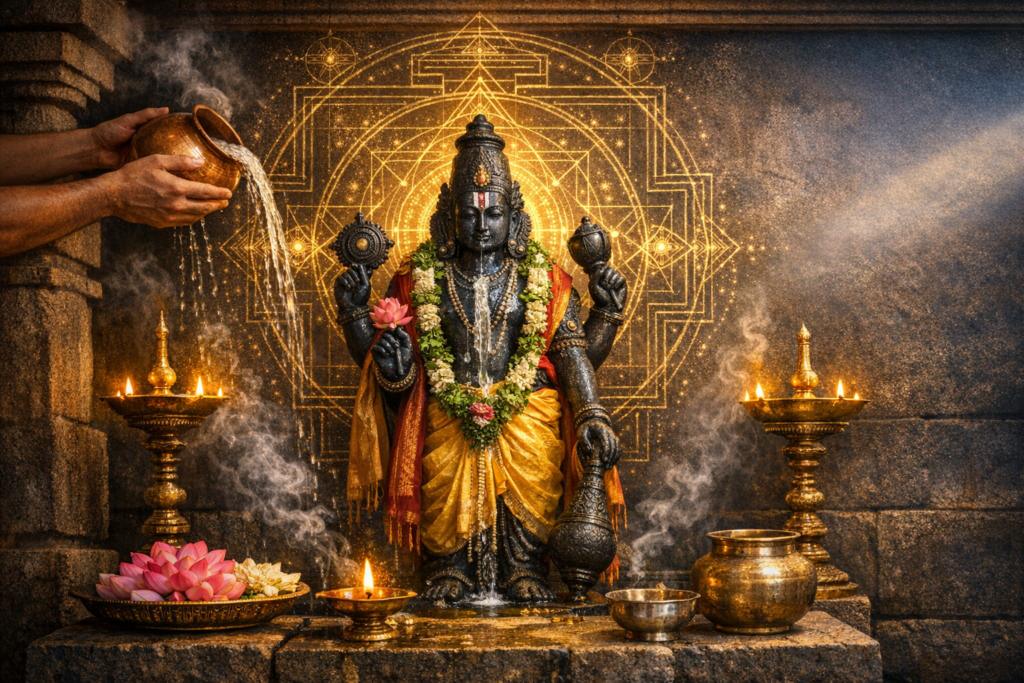
Ritually, the month is marked by heightened reverence for Sri Krishna and Sri Vishnu, special parayana (recitation) of the Bhagavad Gita, and community satsanga. Gita Jayanti, frequently observed in this month, further animates its significance through sacred reading, discourse, and kirtana. Many observe simple vratas, engage in daily japa, and offer dāna—acts that align devotion with ethical action. These practices, when undertaken with steadiness and humility, are understood to harmonize personal intention with the larger dharmic order.
Calendar traditions vary by region: while North Indian and South Indian reckoning may differ slightly between Purnimanta and Amanta systems, Margashirsha generally falls around late November to December. In Tamil tradition, the month is known as Margazhi, a period renowned for early-morning hymns, temple visits, and devotional singing. Such regional expressions illustrate a shared cultural matrix in which the Hindu calendar, Vedic rituals, and temple customs converge to create a living heritage.
In the broader dharmic family—Hinduism, Buddhism, Jainism, and Sikhism—the spirit of Margashirsha resonates through common values: mindfulness, ahiṁsā, study, and seva. Communities often gravitate toward contemplation, ethical giving, and remembrance of the divine—whether through patha of scriptures like the Bhagavad Gita, meditative practice, restrained consumption, or simran. This convergence nurtures unity without erasing distinct identities, reflecting a civilizational ethic that honors many paths while affirming shared moral foundations.
Practical observances during Margashirsha maas can include a daily chapter of the Bhagavad Gita, simple fasting aligned with health and tradition, meditative breath awareness, and quiet japa at dawn. Coupled with small acts of dāna and community service, these disciplines translate devotion into social responsibility. Temples commonly organize special pujas, discourses, and collective recitations that strengthen intergenerational bonds and invite seekers—new and experienced alike—into steady, reflective practice.
Ultimately, Margashirsha maas offers a structured, time-honored framework for renewing intention and cultivating inner clarity. Rooted in the Bhagavad Gita and enriched by Puranic memory, the month invites disciplined joy, ethical action, and cultural participation. By approaching it with humility and dedication, communities can deepen spiritual insight while advancing dharmic unity—an enduring aspiration across the traditions of the subcontinent.
Inspired by this post on Hindu Pad.