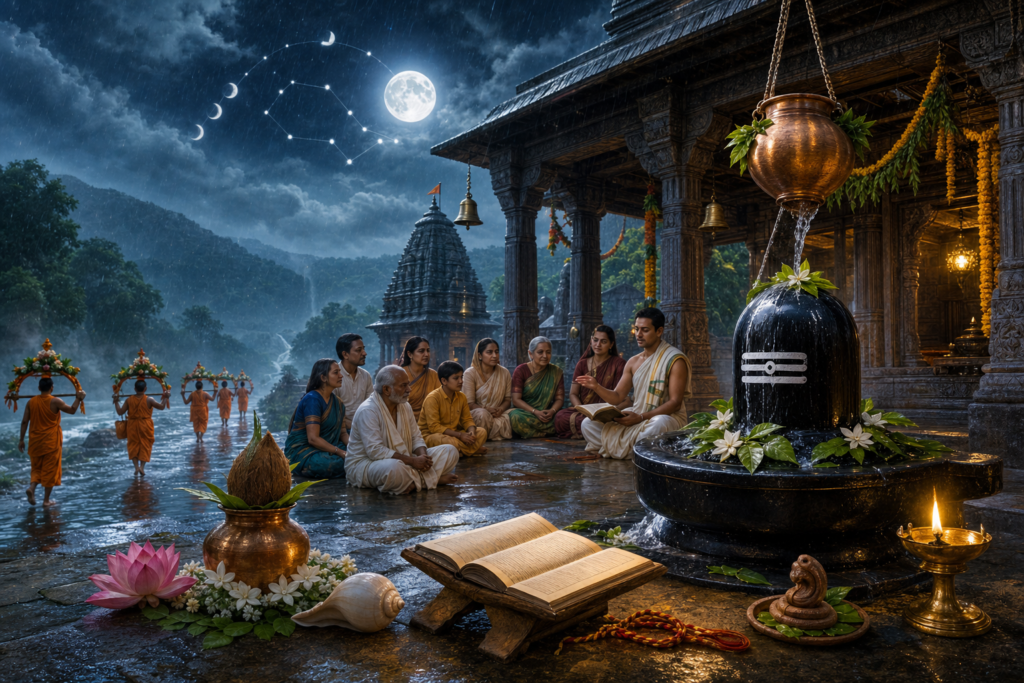
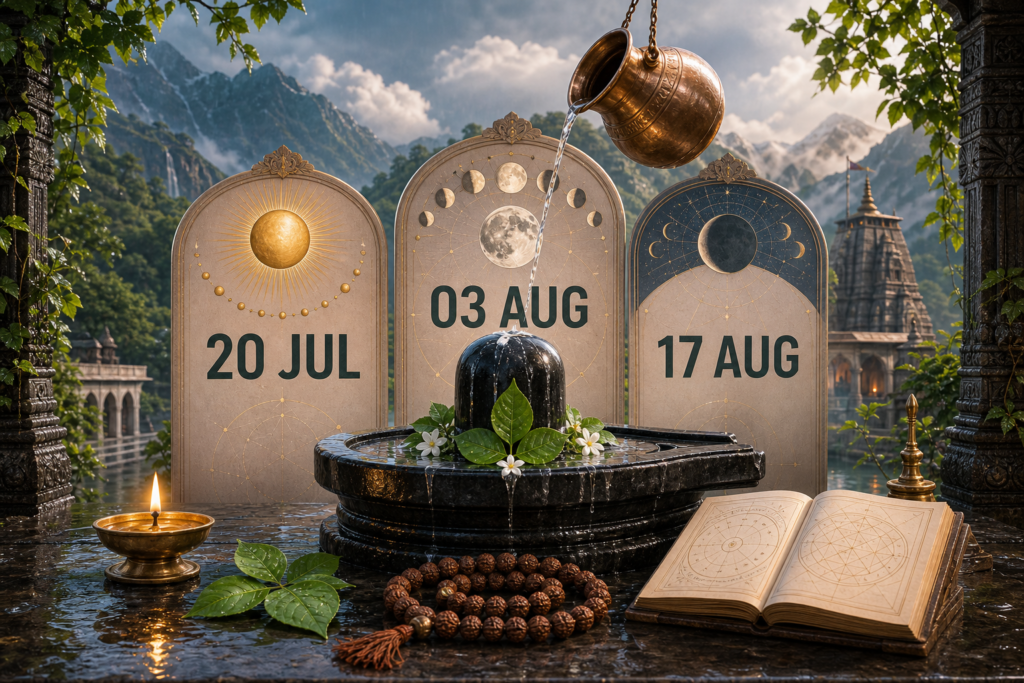
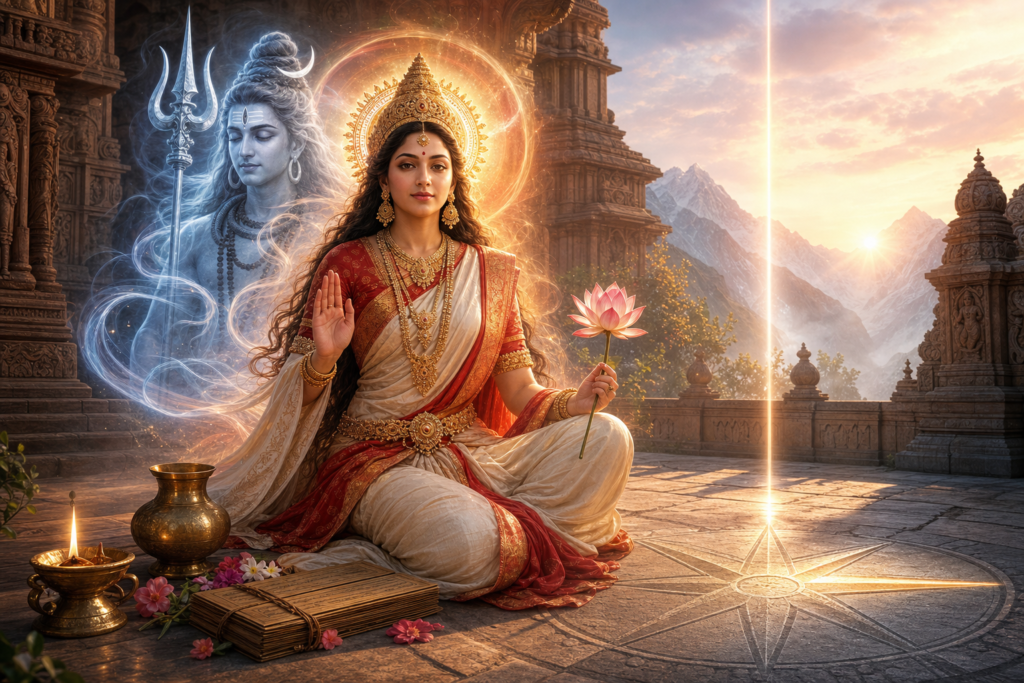
Trinatha Festival, locally known as Trinath Mela, is a folk-religious fair celebrated across parts of Odisha and neighboring regions of Bengal and Assam. It honors “Trinath,” literally the “lord of the three,” a veneration of the TrinityBrahma, Vishnu, and Shivaor a devotional recognition of their unified divinity. Rooted in village life and public squares, the mela blends ritual worship with music, gathering, and a spirit of communal harmony that is emblematic of India’s cultural heritage and Hindu festivals.
The term “Trinath” encapsulates a theological insight central to Sanatana Dharma: multiple forms can signify one truth. In this sense, the mela becomes a lived expression of religious pluralism in Indiadevotees may approach the divine through varied names and forms while sharing a common reverence for dharma. This inclusive ethos naturally aligns with the broader dharmic family, reflecting values shared by Hinduism, Buddhism, Jainism, and Sikhism such as compassion, ethical living, and unity in diversity.
While Odisha is the heartland for the Trinath Mela, communities in Bengal and Assam have shaped distinctive local expressions. Variations appear in the order of rites, the prominence of folk instruments, and the choice of devotional songs. What remains consistent is the public and participatory character of the event: villagers, families, and visitors gather to listen, sing, offer prayers, and share prasad in an atmosphere of mutual respect and cultural continuity.
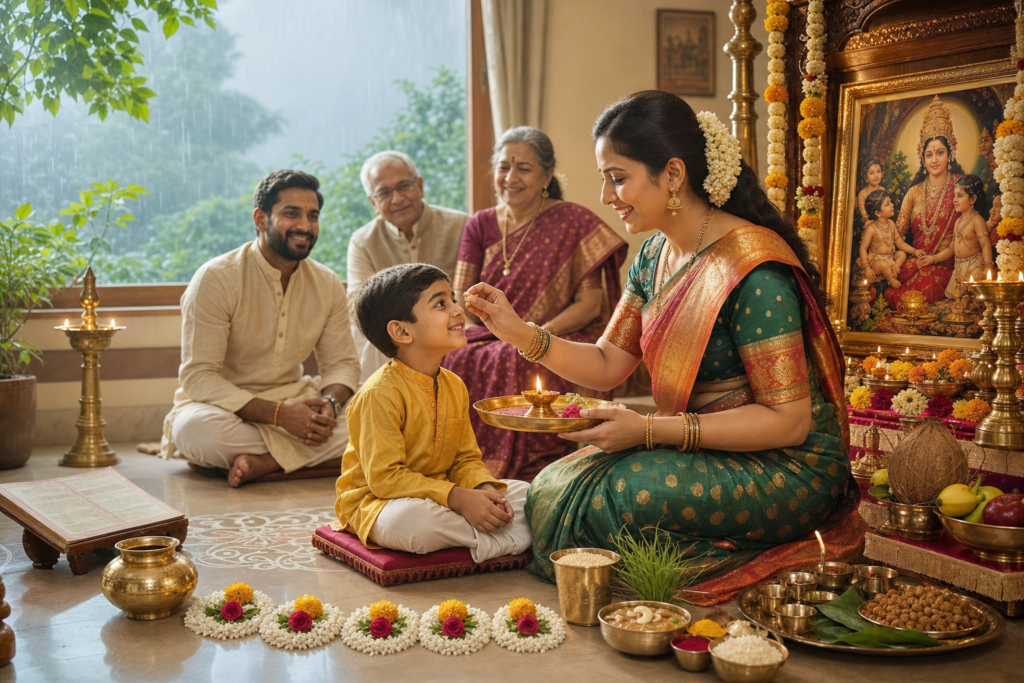
Worship generally includes kirtan, folk music, and collective recitation, often accompanied by rhythmic drumming and the lighting of lamps. Processional elements, narrative storytelling, and communal kitchens are common, linking sacred observance with social interaction. These practices reinforce bonds between generations and preserve intangible heritage while keeping the festival’s devotional core accessible and meaningful.
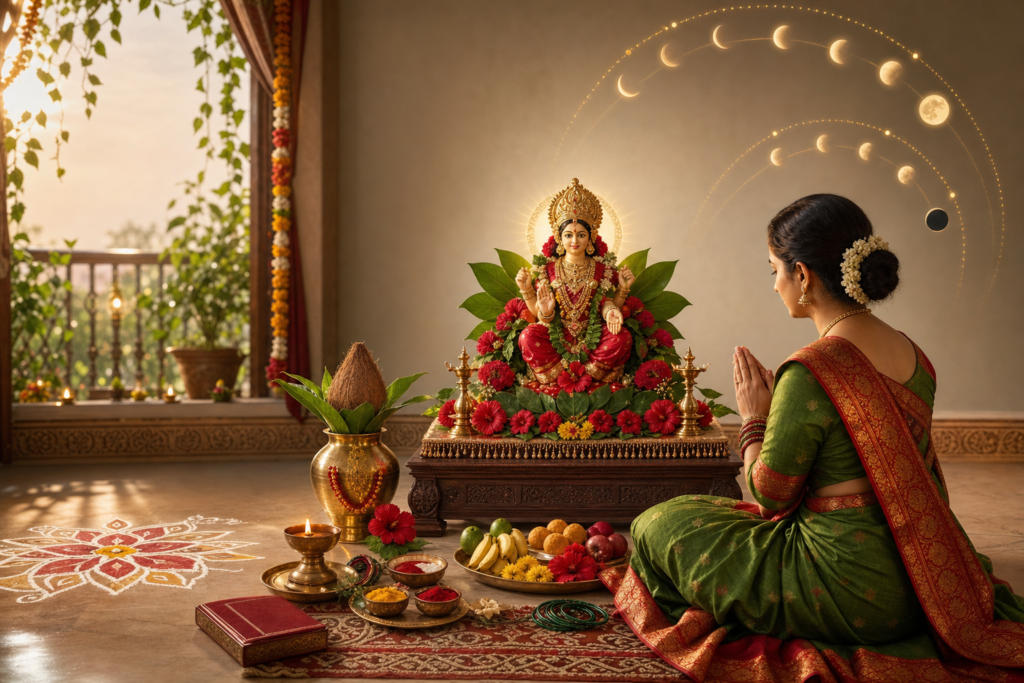
Offerings at Trinath Mela may include items that differ from strict orthodox expectations. Many villages present simple, locally sourced offeringsseasonal produce or handcrafted articlesreflecting the ecology and livelihoods of the community. Regardless of form, offerings are understood as acts of bhakti, where intention and sincerity, rather than uniformity, define the sanctity of worship.
The mela’s social significance extends beyond ritual. It strengthens community cohesion, fosters inter-household cooperation, and welcomes the participation of neighbors across dharmic traditions, embodying religious tolerance in Hinduism. In practice, this creates a shared cultural space where values of respect, non-harm, and service are emphasized, echoing a broader civilizational ethic of harmony and inclusivity.
Scheduling and location typically follow local calendars and community needs rather than a single pan-regional date. Trinath Mela is often hosted in temple courtyards, village squares, or market grounds, making the event both sacred and social. This flexible organization ensures continuity of practice and allows each regionOdisha, Bengal, and Assamto retain its distinctive cultural signature within a common devotional framework.
For visitors, the experience offers a vivid window into India’s cultural heritage: expect devotional music, communal gatherings, and hospitality grounded in tradition. Observing local customsmodest attire, mindful photography, and reverence during ritualshelps maintain the sanctity of the occasion. Participating respectfully supports cultural preservation while enabling deeper understanding of how folk-religious fairs sustain unity in diversity.
In essence, Trinath Mela stands as a living testament to India’s dharmic unity. By celebrating the Trinity as Trinath and welcoming multiple modes of worship, the festival affirms that spiritual truth can be approached through diverse paths. Its blend of devotion, music, and communal care continues to nurture social harmony across Odisha, Bengal, and Assaman enduring reminder that shared values can bind varied communities into a cohesive whole.
Inspired by this post on Hindu Blog.