Humilityunderstood as a felt insignificance before the Divinedoes not arise from clever techniques or spiritual stratagems. The Srimad-Bhagavatam affirms that Krishna showers benedictions on those who sincerely see themselves as small; by causeless mercy He shares with them the sweetness of devotional service. In this view, steadfast practice rather than astuteness opens the heart to grace, aligning daily life with the Bhakti Tradition, Hindu spirituality, inner peace, and spiritual wisdom.
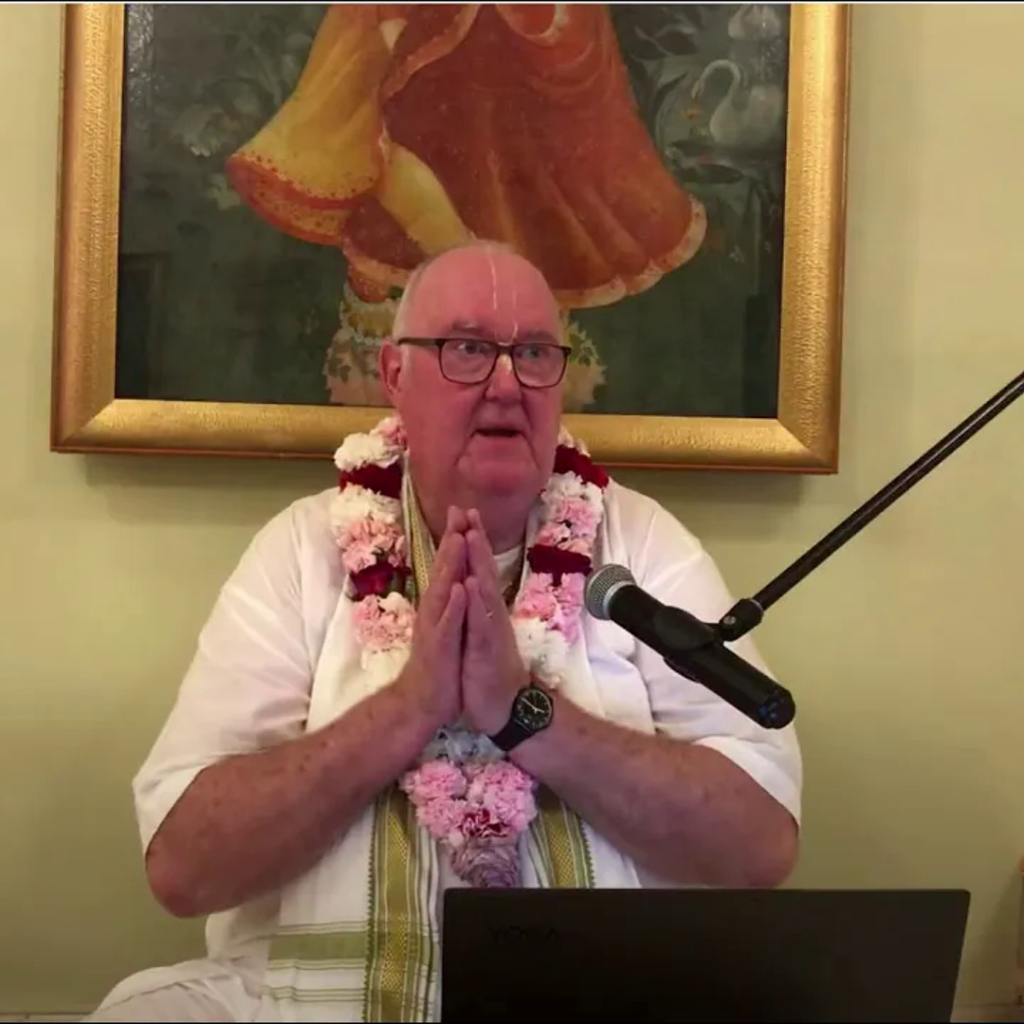
Insignificance, paradoxically, becomes ecstatic because it dissolves the burden of self-importance and turns attention to loving service. As Srila Prabhupada describes: “Krishna says in Chaitanya-charitamrita, you will find, ‘Everyone worships Me with awe and veneration. But if anyone worships Me without any awe, veneration, and treats Me as insignificant, I like that. I like that.’” This teaching reframes devotion as intimate and fearless, where reverence coexists with spontaneous love.
Such insignificance is not self-negation; it is relational clarity. It recognizes the finite before the Infinite, replacing vanity with gratitude, anxiety with trust, and performance with presence. In practice, this stance deepens devotion (bhakti), steadies attention, and turns ordinary tasks into seva, allowing compassion, patience, and discernment to mature organically.
These insights resonate across dharmic traditions. Hindu dharma celebrates bhakti and shraddha; Buddhism cultivates anatta and karuna; Jainism embodies ahimsa and aparigraha; Sikhism honors seva and nimrata. While expressions differ, the shared conviction is clear: humility unveils truth, service nurtures community, and unity in spiritual diversity strengthens the path toward liberation.
Practitioners often recount that humility quiets inner noise and anchors a stable joy. Daily actslistening carefully, speaking gently, working conscientiouslybecome worshipful when undertaken without self-display. Disappointments soften into opportunities to serve; successes become occasions for gratitude rather than self-congratulation. The result is a resilient peace that endures change.
Consistent practice is the catalyst. Regular remembrance, contemplative reading of sacred texts such as the Srimad-Bhagavatam, mindful japa or meditation, ethical restraint, and concrete acts of seva steadily loosen egoic habits. Over time, this simple steadfastness normalizes humility as a default posture, making devotion natural rather than forced.
In summary, the ecstasy of insignificance is a disciplined joy: by choosing to be small before the boundless, one becomes receptive to immeasurable grace. When humility and service guide conduct, the Divine recognizes such a heart as truly significant. This paradox unites the dharmic familyHinduism, Buddhism, Jainism, and Sikhismin a shared commitment to compassion, truth, and unity in spiritual diversity.
Inspired by this post on Dandavats.