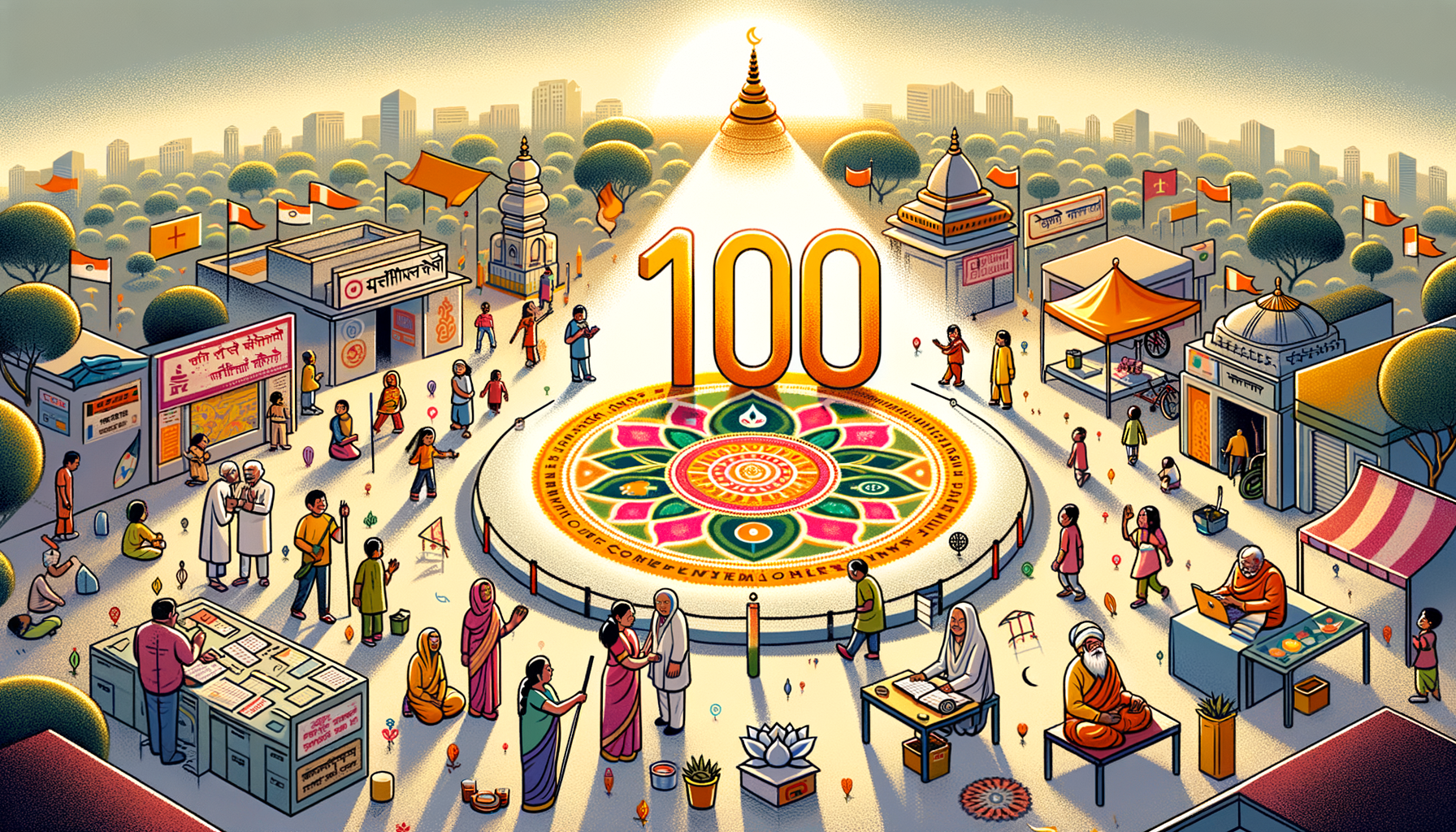
Marking the RSS Centenary (1925–2025), a nationwide plan outlines up to one lakh conferences and community programs designed to deepen community outreach, encourage seva, and stimulate dialogue on social impact and unity. The stated focus spans cultural education, neighborhood engagement, and collaborative problem-solving that brings together Hindu, Buddhist, Jain, and Sikh communities under shared dharmic values.
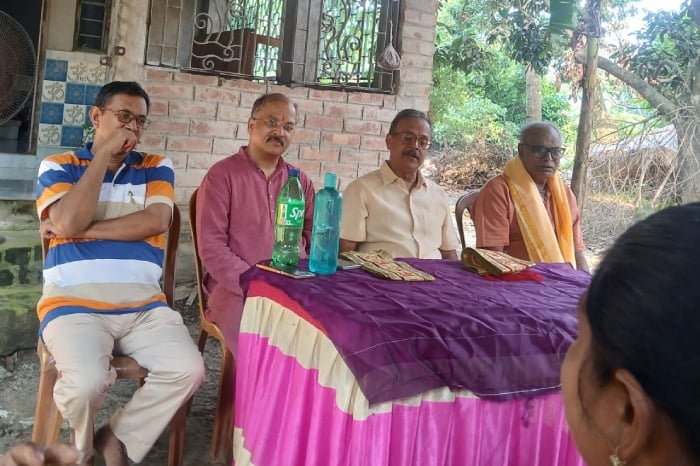
A central feature is the Panch Parivartan approachan orientation toward five-fold changeimplemented through home visits and neighborhood-level conversations. In practice, this emphasizes listening to households, mapping local needs, and connecting families with service initiatives, livelihood linkages, and civic participation. Such door-to-door engagement has repeatedly shown potential to strengthen trust, reduce social distance, and translate cultural affinity into tangible community benefits.
Discussions planned across these events are expected to explore themes of social harmony, ethical leadership, and youth participation, with attention to the lived concerns of diverse families: education, health, safety, and dignified livelihoods. Within the broad spectrum sometimes described as Hindutva, these conversations can be most effective when centered on non-violence, constitutional values, and dharmic pluralismprinciples that resonate across Hinduism, Buddhism, Jainism, and Sikhism.
Community experiences indicate that inclusive seva often mitigates polarization and fosters unity in diversity. When programs integrate local languages, women’s leadership, and youth-led problem-solving, participation rises and communities report durable improvements in neighborhood cohesion. By foregrounding shared dharmic ethicskaruna, ahimsa, seva, and satyasuch initiatives can turn cultural celebration into sustained civic contribution.
Operationally, large-scale volunteer mobilization will require ethical data practices, informed consent during home visits, and transparent communication about goals and outcomes. Training for volunteers on active listening, conflict de-escalation, and inclusion is essential to ensure that outreach remains respectful, non-partisan, and service-oriented.
Program design benefits from measurable indicators: event participation and diversity across Hindu, Buddhist, Jain, and Sikh communities; volunteer hours dedicated to seva; the number of home visits conducted with consent; and the initiation of community projects such as cleanliness drives, health camps, tutoring circles, and skills workshops. Regular feedback loops and publicly shared summaries can enhance credibility and trust.
Safeguards are also necessary. Avoiding politicization, ensuring inter-sect inclusion, and committing to non-discrimination help maintain a constructive atmosphere. Clear grievance redressal mechanisms, sensitivity to regional histories, and balanced representationincluding women and youthare practical steps to uphold unity and fairness.
Handled with care, the centenary year becomes an opportunity to strengthen dharmic unity and social resilience. Rather than viewing identity as a source of division, the planned one lakh events can channel cultural strength into community upliftdemonstrating how shared values, responsible dialogue, and everyday service convert commemoration into meaningful, measurable social impact.
Inspired by this post on Struggle for Hindu Existence.