
-
Historic nationwide outreach: RSS to host 1 lakh Hindu Sammelans for centenary, advancing dharmic unity
A nationwide outreach aligned with RSS@100 will see over one lakh Hindu Sammelans convened across India to mark the centenary arc (1925–2025). The initiative emphasizes dharmic unity across Hinduism, Buddhism, Jainism, and Sikhism, foregrounding shared ethics such as dharma, seva, and satya. By focusing on cultural education, community dialogue, and volunteerism, the Sammelans aim to…
-
RSS at 100: Mohan Bhagwat warns against ‘BJP lens’, urges dharmic unity and service

At the RSS 100 Vyakhyan Mala in Kolkata (Dec 21, 2025), Mohan Bhagwat warned that “viewing RSS through BJP lens is a ‘huge mistake’,” clarifying the Sangh’s identity as a socio-cultural movement focused on seva, character-building, and social cohesion. The address urged observers to avoid reductionist, partisan frames and to assess civil-society institutions by their…
-
Hosabale Rebuts Kharge: Courts and Citizens Render an RSS Ban Unworkable, Protecting Pluralism
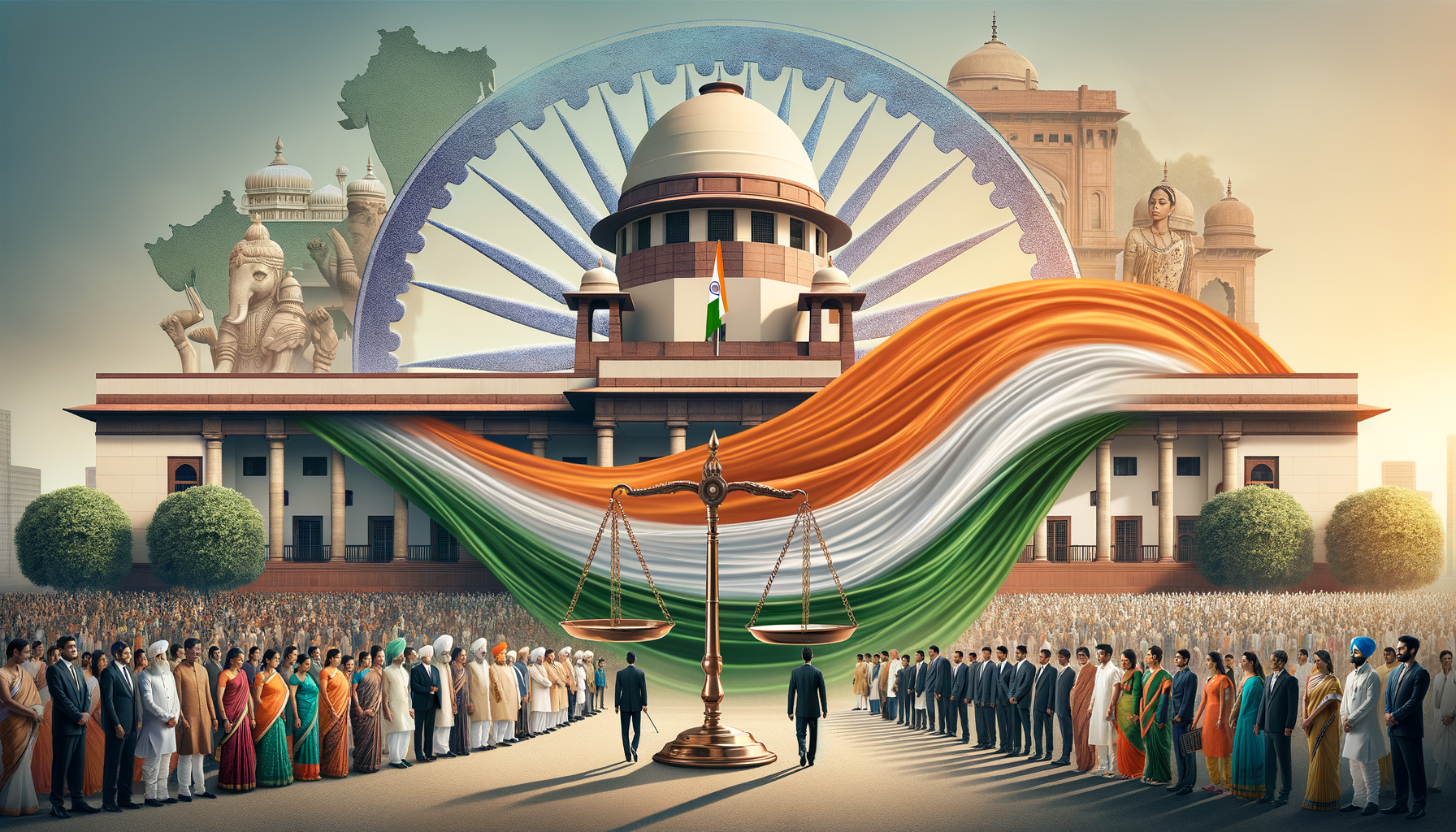
Dattatreya Hosabale’s response in Jabalpur to Mallikarjun Kharge’s call for an RSS ban situates the issue within India’s constitutional framework and public sentiment. He underscores that decades of administrative scrutiny and judicial oversight have not yielded a lasting, court-sustained prohibition of the Rashtriya Swayamsevak Sangh (RSS). The argument also turns on social legitimacy, noting that…
-
RSS @ 100: One Lakh Nationwide Events to Inspire Dharmic Unity and Social Impact
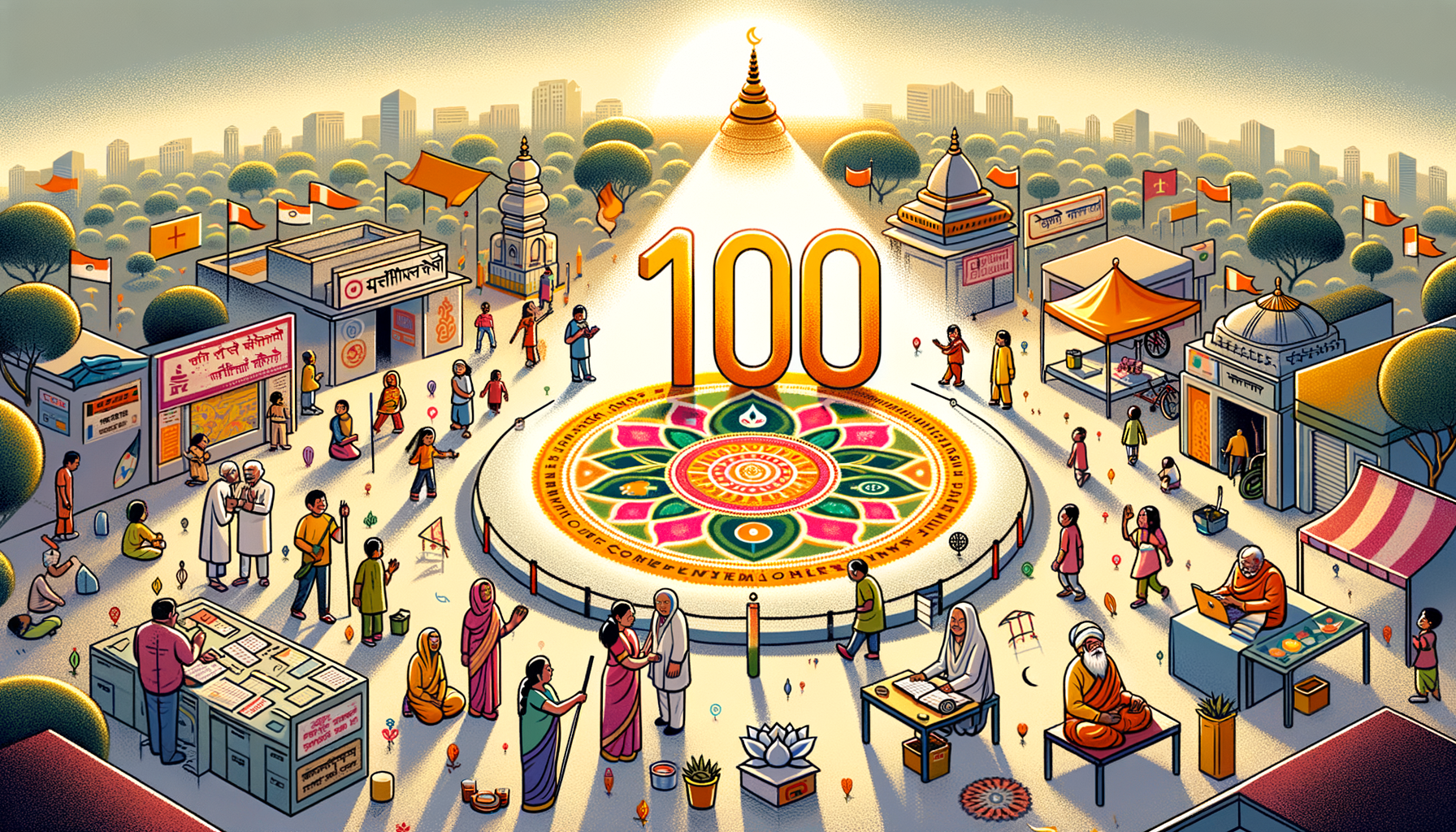
The RSS Centenary (1925–2025) aligns one lakh community programs with outreach, seva, and dialogue to advance social impact and dharmic unity. Using a Panch Parivartan approach through home visits, the plan emphasizes listening, inclusion, and neighborhood solutions. Priorities include non-violence, constitutional values, and unity across Hindu, Buddhist, Jain, and Sikh communities. Practical safeguardsethical data use,…
-
Complete Analysis: RSS@100 vs CommunismDiscover a Dharmic Unity Breakthrough

This academically grounded analysis uses the occasion of RSS@100 to clarify what is often portrayed as a zero-sum battle between Hindutva and Communism. Readers discover a clear definition of key terms, a concise historical trajectory, and a balanced comparison that separates civilizational identity from class-centered critique. The piece centers dharmic valuesahimsa, karuna, daya, and sewaas…
-
Complete Analysis: RSS Chief’s ‘Unified Hindu Identity’ Claim and Paths to Dharmic Harmony
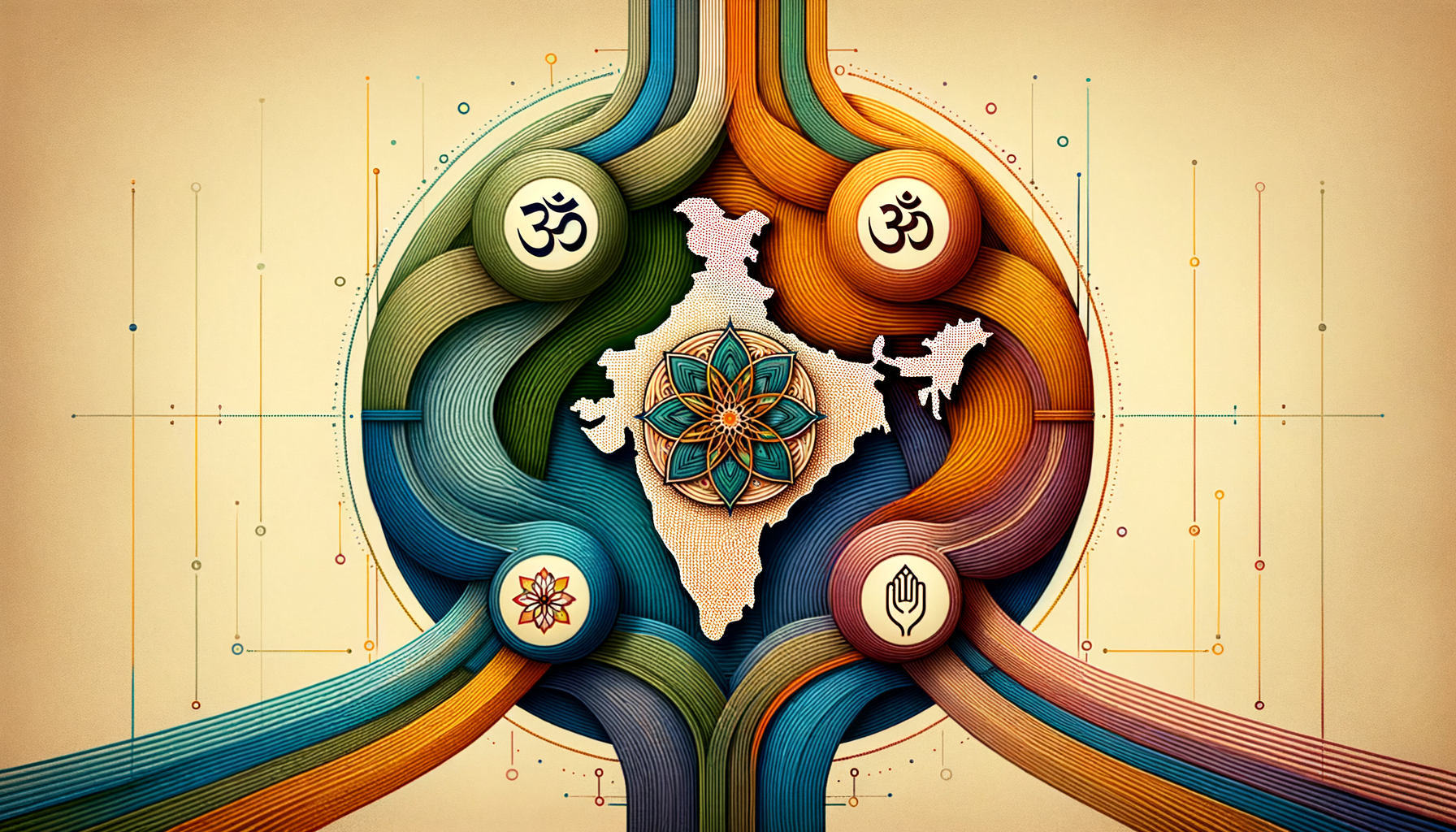
This article presents a balanced, evidence-based analysis of Mohan Bhagwat’s recent “Unified Hindu Identity” and “same DNA” remarks. It clarifies how genetic research supports a nuanced view: deep shared ancestry alongside real diversity. It reframes unity around dharmic ethical values shared by Hinduism, Buddhism, Jainism, and Sikhism, rather than biological metaphors. Readers will discover clear…