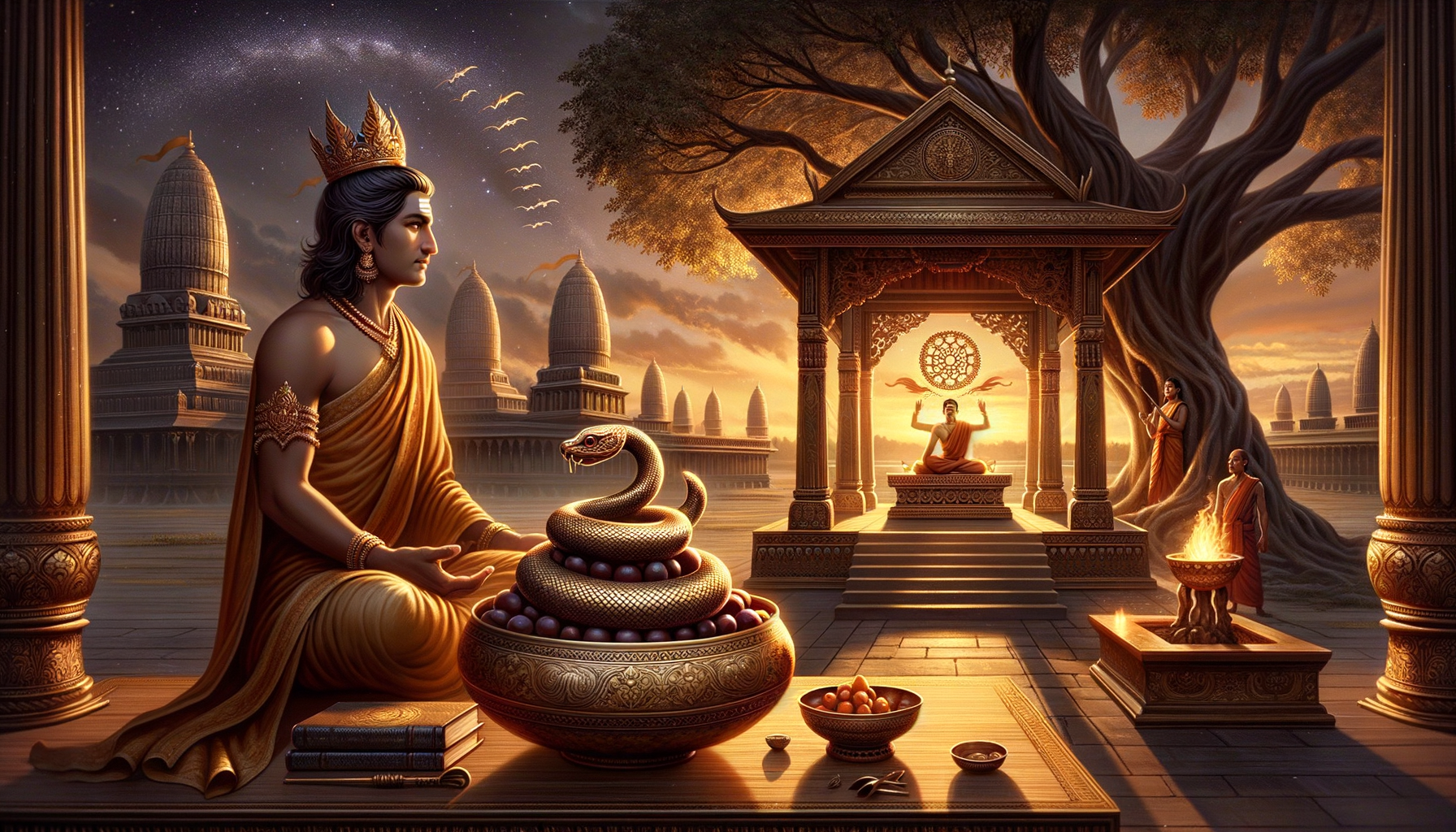
The narrative of Takshaka and King Parikshit, preserved in the Mahabharata and allied Hindu scriptures, offers a precise lens into the cycle of karma, the consequences of anger, and the ethics of leadership. Beyond the well-known curse that foretold Parikshit’s death by serpent-bite, the episode reveals layered causes rooted in earlier conflicts, intergenerational memory, and the perennial challenge of breaking cycles of vengeance.
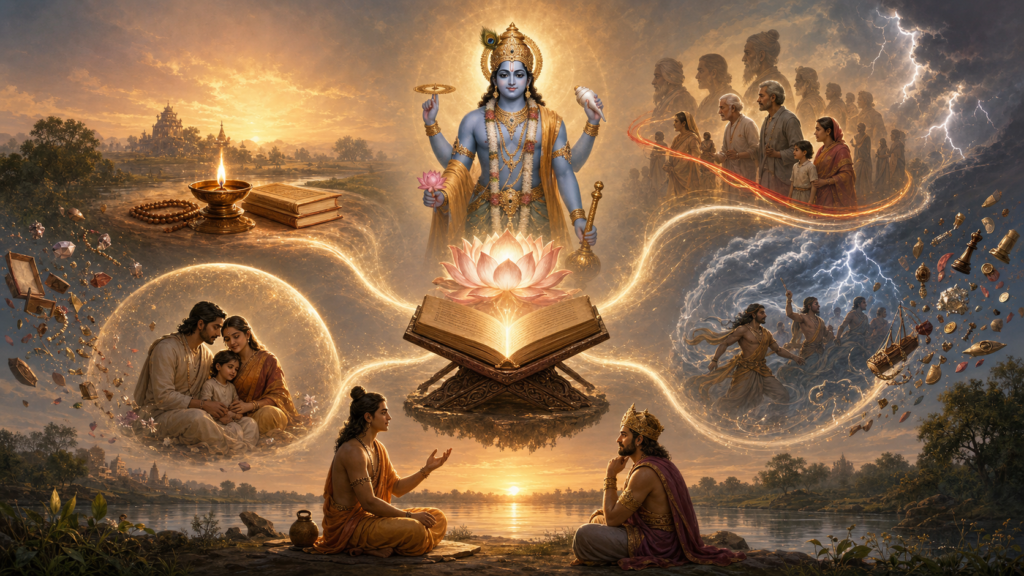
Parikshit, the grandson of Arjuna and heir to the Kuru lineage, is portrayed as a capable ruler whose lapse in judgment catalyzed a fatal chain of events. After a hunt, exhausted and irritated, he placed a dead snake around the neck of the meditating Sage Sameeka. In response, the sage’s son, Śṛṅgi (Shringi), pronounced a curse: within seven days, Parikshit would die from the bite of the serpent king, Takshaka. This pronouncement, widely cited in the Mahabharata, frames the tragedy within the moral laws of dharma and the doctrine of karma.
The question why Takshaka carried out the killing invites attention to both proximate and distant causes. On the surface, Takshaka functioned as the instrument of the curse, a role bound to the scriptural decree. Yet, tradition also recalls an older enmity. During the Khandava-daha (the burning of the Khandava forest), Arjuna and Krishna aided Agni in consuming the forest, leading to the destruction of many Nāgas. Sources associate Takshaka’s family losses with this conflagration, and later, during the Kurukshetra war, Takshaka’s son Aśvasena attempted to slay Arjunasigns of a lingering grievance against the Kuru line that Parikshit inherited by legacy if not by personal intent.
Scriptural retellings describe how, aware of the curse, Parikshit sought to avoid danger by residing in a secure, elevated abode and banning serpents from entry. Takshaka, however, employed guile. He is said to have encountered the sage Kāśyapa, reputed for remedies against venom, and dissuaded him from intervening. Then, through a stratagemoften narrated as a fruit concealing a worm that transformed into Takshakahe reached the king and delivered the fatal bite. The precision of the act underscores the inexorability of karma once set in motion and the limits of worldly precautions when dharma has been transgressed.
The aftermath further clarifies the theme of vengeance and restraint. Parikshit’s son, Janamejaya, launched the Sarpa Satra, a great snake sacrifice intended to annihilate the Nāga race, drawing even Takshaka toward the sacrificial fire. Indra’s protection and, ultimately, the intervention of the wise Brahmin Astika halted the rite. This turning point redirected a cycle of retribution toward reconciliation and dharmic moderation, demonstrating that justice divorced from compassion amplifies suffering for all.
Ethically, the episode illustrates several Mahabharata lessons: that royal power demands humility; that unchecked anger, even in a moment of fatigue, can unleash irreversible consequences; and that inherited grievances prolong violence unless actively resolved. Many readers recognize in Parikshit’s single act of disrespect the familiar human tendency to let impatience override judgment, while Takshaka’s response reflects how long-held wounds can seek expression through any available breach in dharma.
The narrative’s broader resonance supports unity among dharmic traditions. Hindu reflections on dharma and atonement align with Jain ahimsa (non-violence), Buddhist compassion and cessation of suffering, and Sikh values of daya (compassion) and collective well-being (sarbat da bhala). Together, these traditions advocate breaking cycles of vengeance through restraint, truth, repentance, and restorative actionprecisely the pivot exemplified by Astika’s intervention at the Sarpa Satra.
In contemporary terms, this account encourages reflective leadership, ethical speech, and accountabilitypractices that prevent small transgressions from compounding into societal harm. It also suggests a practical path forward: when faced with inherited conflict, communities can choose dialogue, wise counsel, and proportional justice over collective punishment. By acknowledging harm, restoring balance, and prioritizing compassion, the cycle symbolized by Takshaka and Parikshit can be transformed into a virtuous spiral of learning and restraint.
Thus, the “why” behind Takshaka’s killing of Parikshit is not a single motive but a confluence: the binding power of a curse, ancestral memory of injury, and the opportunity opened by one king’s lapse. The Mahabharata presents these strands not to glorify retribution but to caution against it, inviting all who study these scriptures to master anger, honor dharma, and choose reconciliation over retaliation.
Inspired by this post on Hindu Blog.