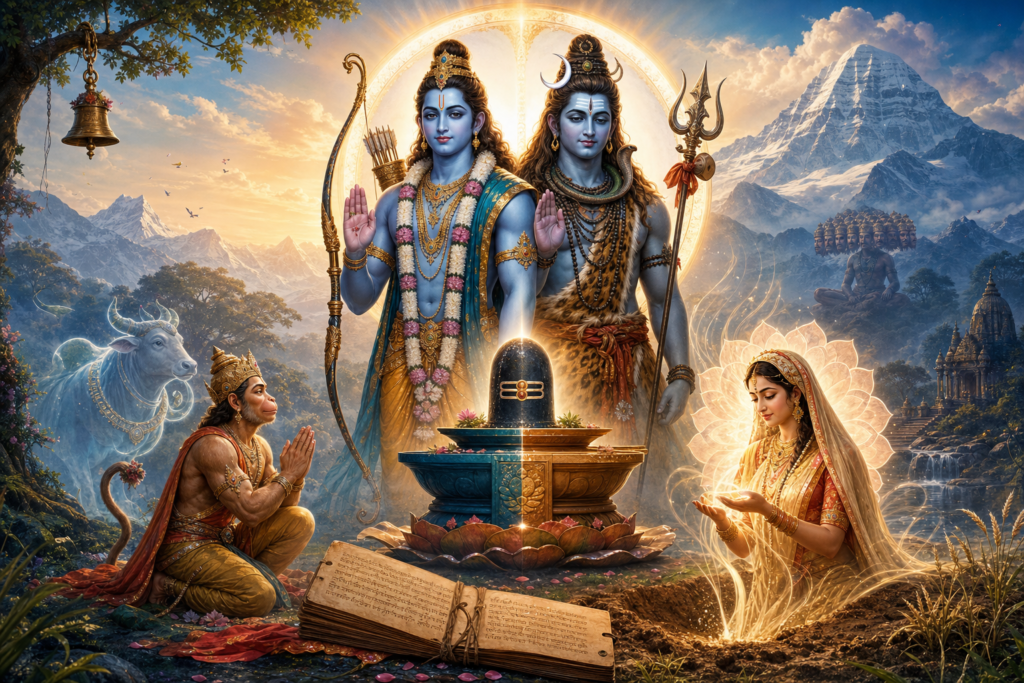
Nagula Chavithi, also known as Nag Chaturthi, is a revered Telugu regional festival observed primarily in Andhra Pradesh and Telangana. Celebrated on the fourth day after Deepavali, it honors Naga Devata (the Serpent Deity) and signifies gratitude for fertility, water, and soilfoundations of agrarian and family well-being. In 2025, Nagula Chavithi falls on October 25, within Karthika masam as per the Telugu calendar.
Positioned in the auspicious flow of the post-Deepavali period, the observance reflects continuity between household prosperity and ecological harmony. Families visit temples with Naga shrines, offer turmeric, milk (symbolically and via temple rituals), flowers, and naivedyam, and observe vrata (fasting) to pray for health, protection, and familial welfare. Many communities now emphasize eco-conscious practicesusing clay idols and temple-based abhishekamto align devotion with ethical care for living beings and natural habitats.
Rituals commonly include early-morning puja, lighting of lamps, and recitation of prayers seeking Naga Devata’s blessings. Women often participate in traditional vrata, and households prepare simple sattvic foods as prasadam. In temple settings, abhishekam to Naga idols is conducted with water, turmeric, and flowers, while devotees offer heartfelt sankalpa for children’s well-being, marital harmony, and collective prosperity.
Participants frequently describe a serene, reflective mood: the gentle fragrance of turmeric and jasmine, lamps illuminating Naga shrines, and the quiet cadence of mantras. This shared experience nurtures intergenerational learning, as elders recount stories that connect serpents with guardianship of waters and fields. Such moments deepen social cohesion and highlight how ritual creates space for gratitude, responsibility, and community care.
Naga reverence also resonates across the broader dharmic tapestry. In Buddhism, narratives of the Naga protector reflect compassion and guardianship; in Jainism, the tradition remembers the protective Naga associated with Parshvanatha. Within the shared civilizational ethos of Hinduism, Buddhism, Jainism, and Sikhism, values such as respect for life, ethical conduct, and community harmony convergeoffering a unifying perspective that honors diversity while upholding common principles.
For 2025 planning, devotees may note that Nagula Chavithi occurs on October 25, the fourth day after Deepavali 2025, within Karthika masam. As local timings vary, consulting a regional panchang is advisable for precise muhurta. Many households adopt conservation-minded observances: favoring temple offerings over feeding live snakes, supporting wildlife protection, and choosing biodegradable materials. These practices enhance the festival’s spiritual intent while reinforcing environmental stewardship.
Ultimately, Nagula Chavithi affirms a core insight of the Hindu way of life: spiritual discipline, familial love, and reverence for nature are mutually sustaining. Grounded in Telugu cultural traditions yet resonant across dharmic thought, the festival offers a meaningful opportunity to renew vows of unity, gratitude, and responsible living in harmony with the natural world.
Inspired by this post on Hindu Pad.